
Shaping an AI landscape defined by responsibility
In an era marked by rapid technological advancements, the societal implications of artificial intelligence (AI) have never been more pronounced. At the forefront of this dialogue, the Hasso Plattner Institute is proud to host a conference dedicated to elevating the discourse on Responsible AI. With a strong focus on ethics and governance, the 2024 conference aimed to advance the ethical, sustainable, and responsible development and adoption of AI. The conference explored the complexities of strengthening European AI through two key pillars: AI Ethics and AI Governance, offering valuable insights through thought-provoking talks and discussions.
Photo Gallery AI@HPI 2024 (Photos: Reinhardt & Sommer)
-
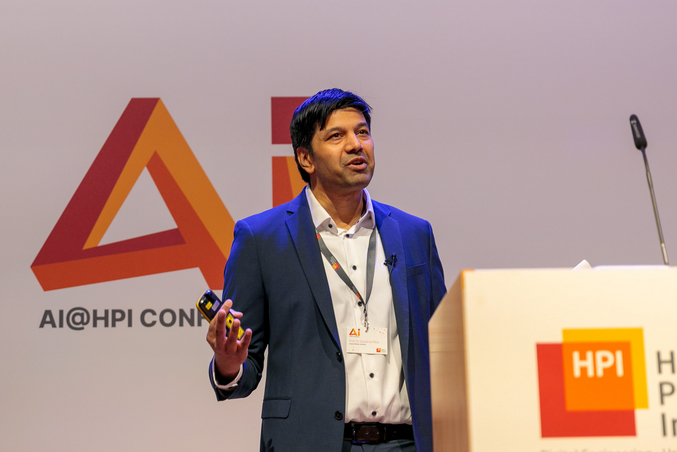
 Impressions of the AI@HPI conference from December 3-4, 2024 in Potsdam
Photo: Reinhardt & Sommer -
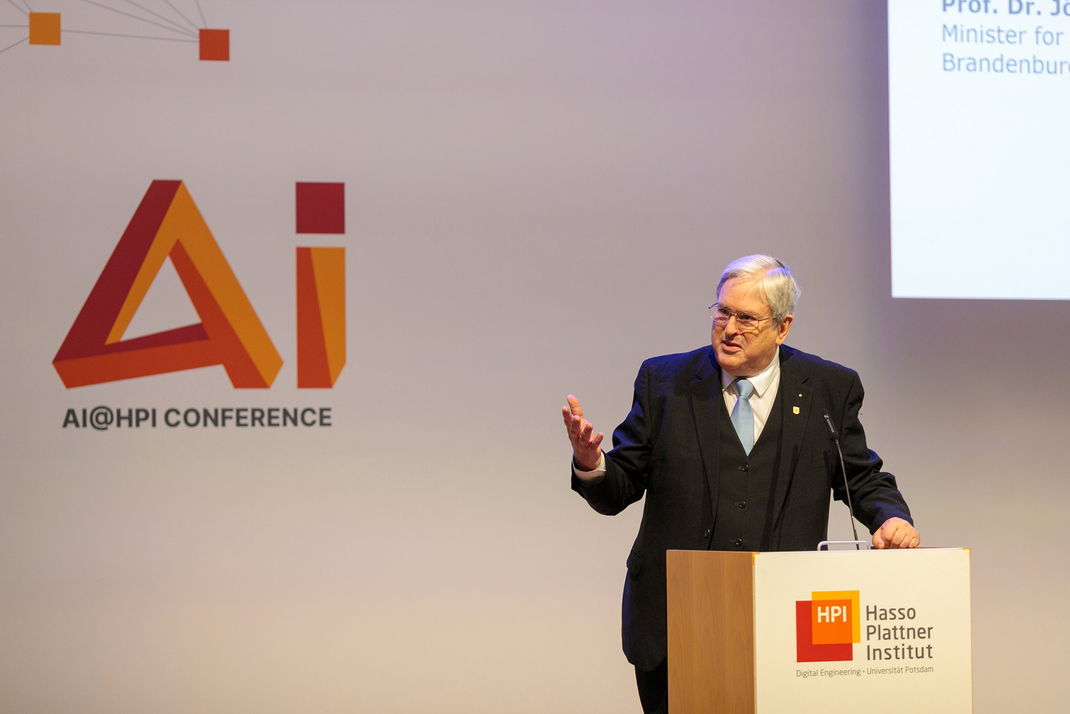 Impressions of the AI@HPI conference from December 3-4, 2024 in Potsdam
Photo: Reinhardt & Sommer -
 Impressions of the AI@HPI conference from December 3-4, 2024 in Potsdam
Photo: Reinhardt & Sommer -
 Impressions of the AI@HPI conference from December 3-4, 2024 in Potsdam
Photo: Reinhardt & Sommer -
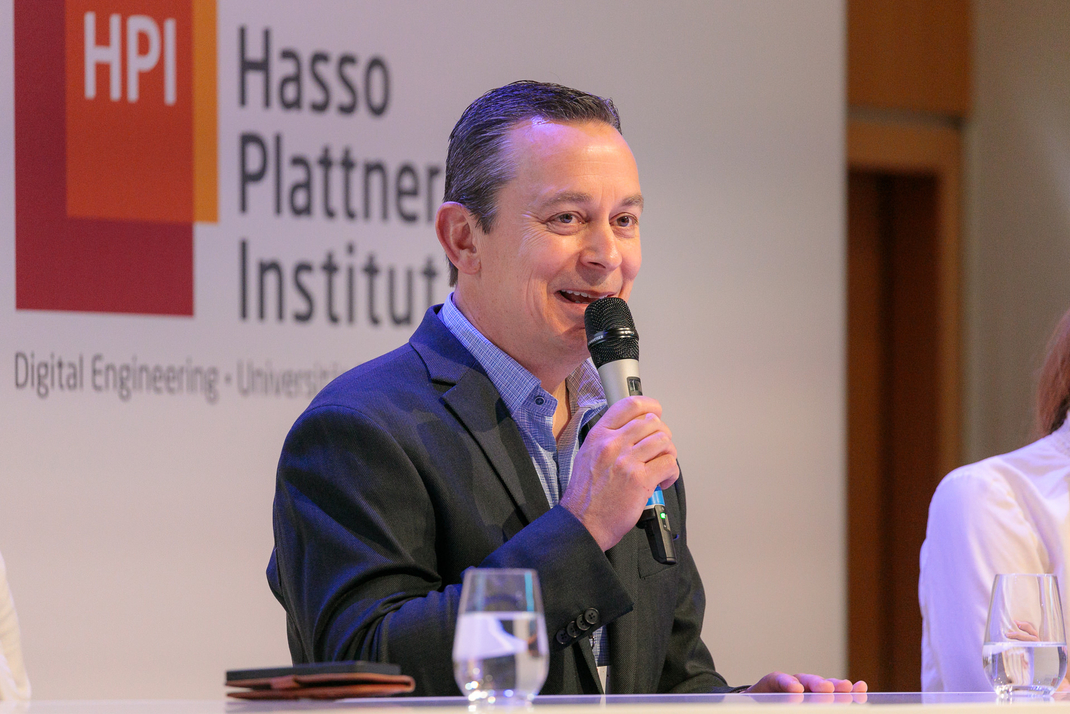 Impressions of the AI@HPI conference from December 3-4, 2024 in Potsdam
Photo: Reinhardt & Sommer -
 Impressions of the AI@HPI conference from December 3-4, 2024 in Potsdam
Photo: Reinhardt & Sommer -
 Impressions of the AI@HPI conference from December 3-4, 2024 in Potsdam
Photo: Reinhardt & Sommer -
 Impressions of the AI@HPI conference from December 3-4, 2024 in Potsdam
Photo: Reinhardt & Sommer -
 Impressions of the AI@HPI conference from December 3-4, 2024 in Potsdam
Photo: Reinhardt & Sommer -
 Impressions of the AI@HPI conference from December 3-4, 2024 in Potsdam
Photo: Reinhardt & Sommer -
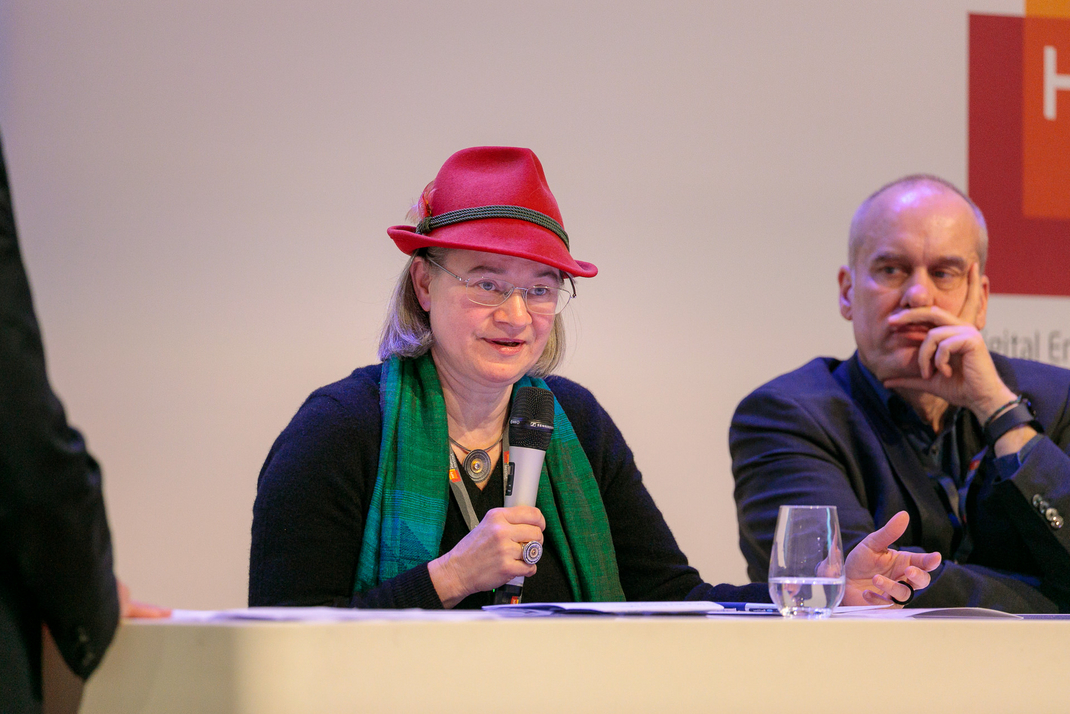 Impressions of the AI@HPI conference from December 3-4, 2024 in Potsdam
Photo: Reinhardt & Sommer -
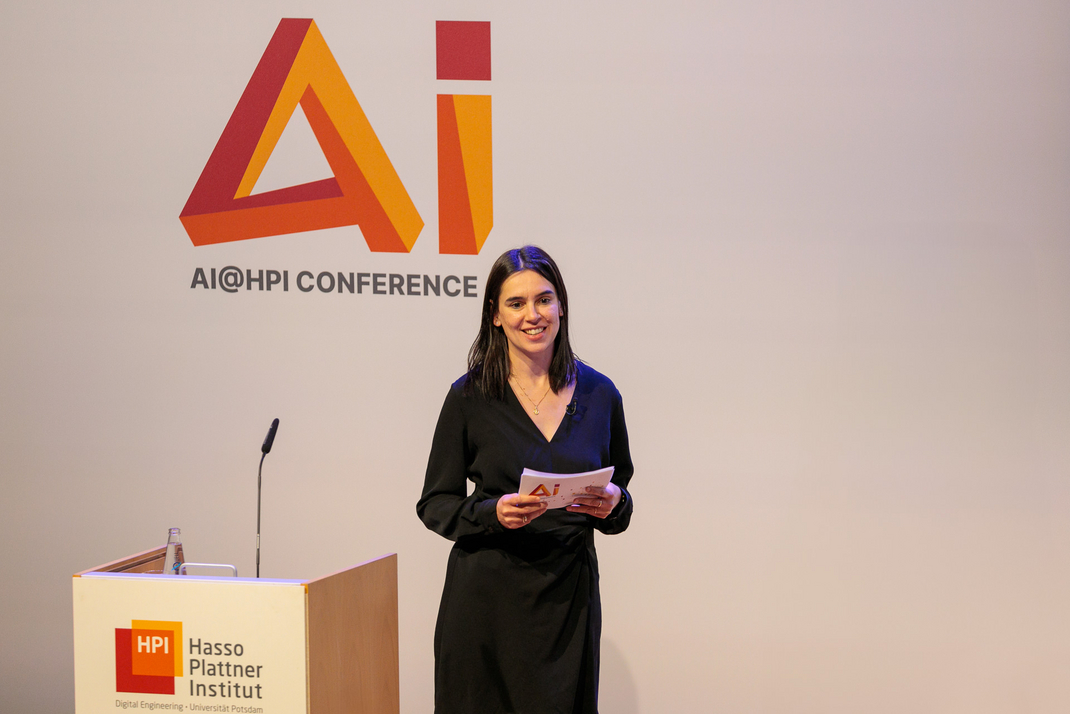 Impressions of the AI@HPI conference from December 3-4, 2024 in Potsdam
Photo: Reinhardt & Sommer -
 Impressions of the AI@HPI conference from December 3-4, 2024 in Potsdam
Photo: Reinhardt & Sommer -
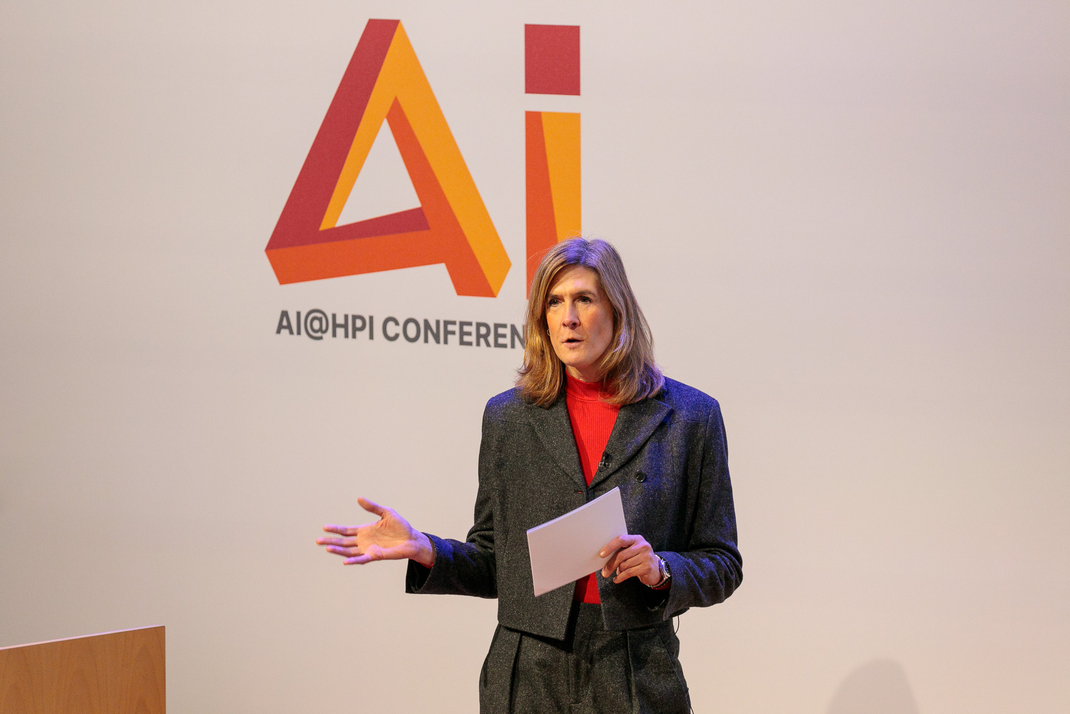 Impressions of the AI@HPI conference from December 3-4, 2024 in Potsdam
Photo: Reinhardt & Sommer -
 Impressions of the AI@HPI conference from December 3-4, 2024 in Potsdam
Photo: Reinhardt & Sommer -
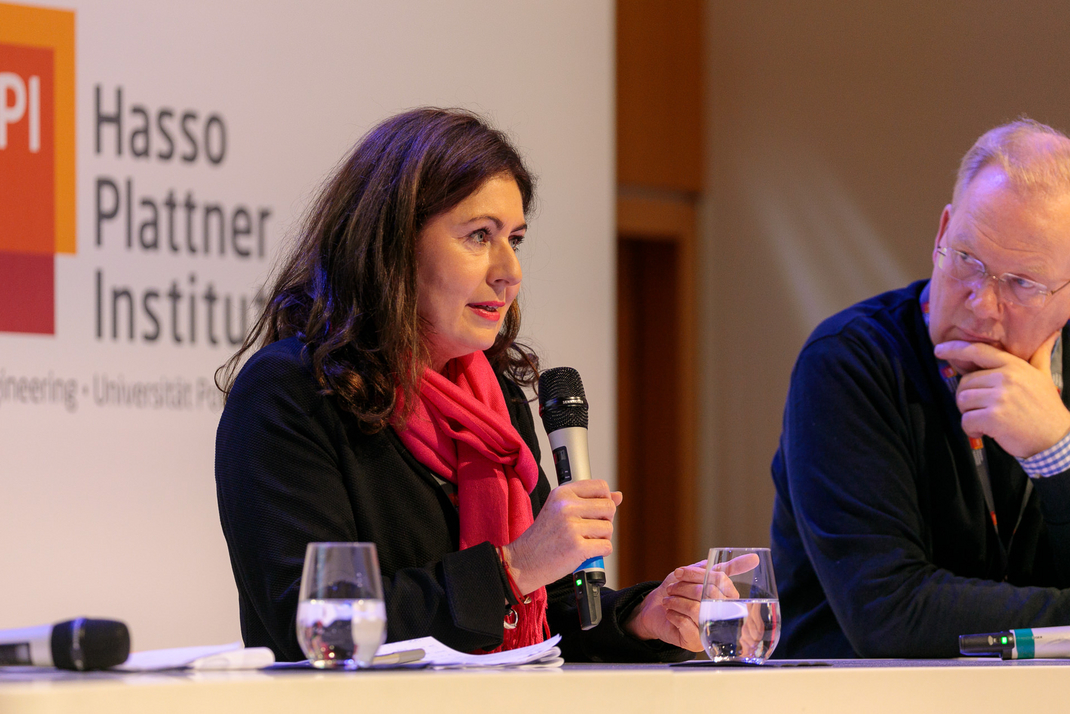 Impressions of the AI@HPI conference from December 3-4, 2024 in Potsdam
Photo: Reinhardt & Sommer -
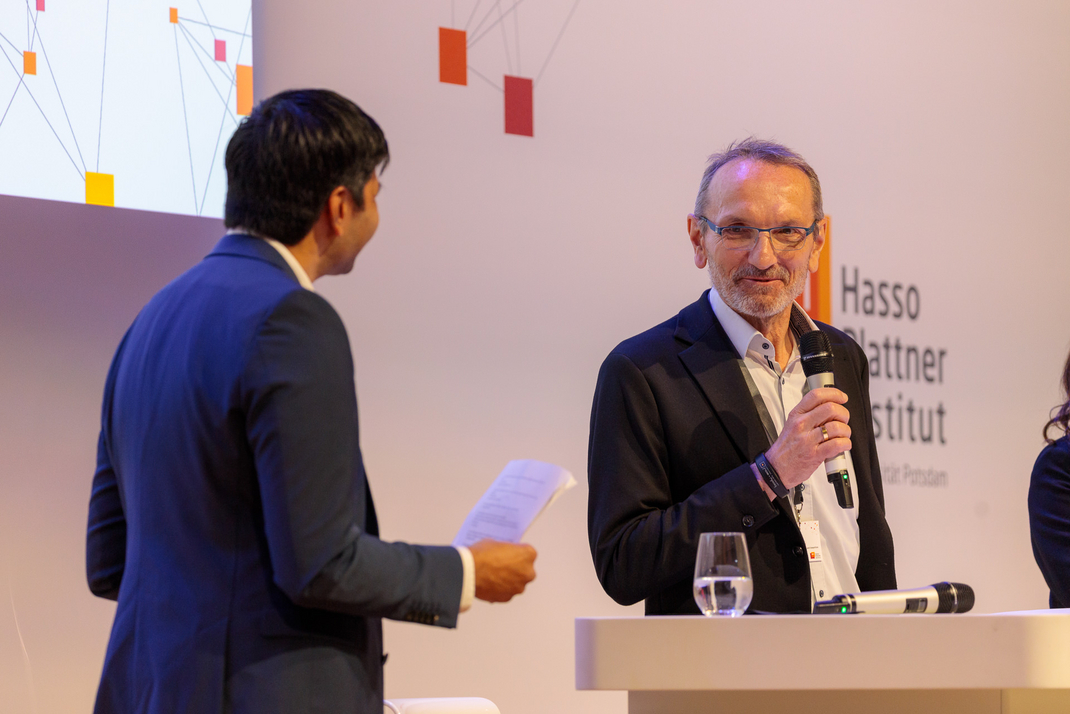 Impressions of the AI@HPI conference from December 3-4, 2024 in Potsdam
Photo: Reinhardt & Sommer -
 Impressions of the AI@HPI conference from December 3-4, 2024 in Potsdam
Photo: Reinhardt & Sommer -
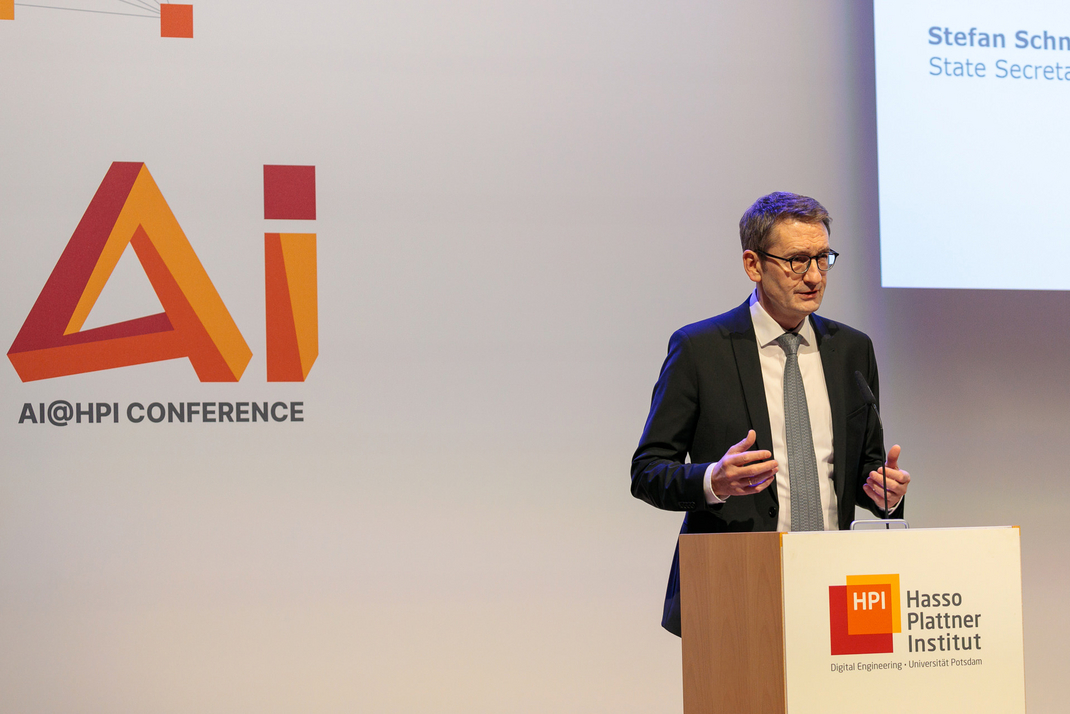 Impressions of the AI@HPI conference from December 3-4, 2024 in Potsdam
Photo: Reinhardt & Sommer -
 Impressions of the AI@HPI conference from December 3-4, 2024 in Potsdam
Photo: Reinhardt & Sommer
Conference Focuses
AI Ethics …
… explored the moral implications and societal impact of AI technologies. From addressing bias in algorithms to ensuring fairness and transparency in decision-making processes, this topic aimed to foster discussions on upholding ethical standards in AI development and utilization.
AI Governance …
… examined the legal and policy frameworks necessary to govern AI responsibly. This topic explored strategies to ensure that AI systems adhere to legal, ethical, and societal norms. In addition, we looked at the transformative impact of AI on the labor market, discussing how AI can address skills shortages, changes in workflows and broader economic impacts, and whether European companies can keep pace with other markets. We also explored the future of work, the skills needed for AI-driven economies and strategies for a fair transition for all workers.
Conference Panels
As artificial intelligence (AI) increasingly integrates into various aspects of our lives, addressing the ethical implications of its use becomes more crucial. Algorithmic decisions are often made at such a massive speed and volume that human oversight is no longer practical. In this panel, experts from various disciplines will explore how biased data and a lack of diversity in development can lead to discriminatory outcomes. This is particularly troublesome for recent AI models with many millions of parameters that are far too complex to be interpretable by humans. The discussion will focus on how biases arise in datasets and algorithms, the ethical standards that need to be established, and how to create fair, inclusive, and transparent AI systems. Both technical solutions and societal and business approaches will be examined to ensure fairness, inclusion, and transparency. The aim is to develop practical strategies to minimize discrimination and promote equal opportunities through ethically responsible AI systems.
In the wake of the COVID-19 pandemic, the need to trust AI in global health has become increasingly important. As we navigate global challenges such as poverty, conflict, and societal polarization, trust in AI and its role in health management is under scrutiny. This panel will explore AI's potential to enhance global public health, improve crisis preparedness, and combat misinformation. Key questions include: Can AI truly support the common good without human oversight? How can we balance technological progress with preserving essential human values? Beyond the health sector, trust in AI is essential for its broader adoption. Health, as a key application area, highlights the need to build and maintain public trust to ensure AI's positive impact. This discussion will focus on the ethical frameworks needed to guarantee AI's beneficial role, while preserving public trust and human dignity in global health initiatives.
In the digital age, artificial intelligence (AI) is increasingly influencing political processes and decision-making. From targeted election campaigns to the analysis of voter behavior, AI has the potential to reshape democratic systems. While technology offers new opportunities to optimize electoral processes, it also raises significant concerns regarding transparency, fairness, and the risk of manipulation. Some campaigns have been launched by foreign actors seeking to spread disinformation and propaganda. This panel will explore how AI can impact democratic integrity, with a focus on its effects in U.S. elections, state elections in Eastern Germany, and other significant upcoming political events, including the German federal elections. This discussion will address the role of regulation in ensuring fair and transparent elections and measures to safeguard election processes from manipulation and disinformation. Our aim is to develop ethical and legal frameworks that preserve the integrity of democratic processes in the AI era and to ensure that technological advancements contribute positively to democratic governance.
While the ability to leverage vast quantities of data has been a key driver of recent progress in AI, the intellectual property (IP) rights associated with such training data have often been neglected. This panel explores how IP can be used legally and ethically in AI development, with a particular focus on challenges in the arts and media sectors. Central to the discussion is the legal use of copyrighted materials, such as images, music, films, and texts, in AI models. Experts will discuss how to respect IP rights while also providing comprehensive datasets for AI training. The panel will also examine the specific impacts on the arts and media sectors, especially regarding the rights of artists, authors, and media companies. Strategies for maintaining licensing requirements and protecting creative rights, without hindering innovation, will be explored. The discussion's aim is to develop methods and strategies for fair use of IP in AI training. Participants will gain insights into how the need for data and creative content can be balanced with the protection of IP rights.
The EU AI Act represents a landmark regulatory framework aimed at ensuring the ethical and responsible development of artificial intelligence (AI) across Europe. This panel will explore the transformative impact of the EU AI Act on workflows, the economy, and global AI regulation standards. Key topics include the Act's provisions on risk classification, transparency, and enforcement mechanisms. Panelists will discuss how these regulations affect various industries — from technology to manufacturing — and their implications for business operations and innovation within Europe. The discussion will also cover the broader scope of sustainable AI regulation, including its role in promoting ethical practices, protecting consumer rights, and maintaining international competitive advantages. A crucial aspect of the discussion will be ensuring that the AI Act avoids repeating past regulatory mistakes and fosters a cohesive understanding and implementation across all EU member states.
Experts, including policymakers and legal professionals, will share strategies for navigating this evolving regulatory environment while driving innovation and ensuring consistency throughout the EU. Additionally, the panel will examine potential global trends and the future of AI regulation beyond the EU, considering the possibility of international harmonization of AI standards.
The rapid pace of progress in artificial intelligence (AI) has far-reaching implications for all industries. In this context, there is a need to move quickly to keep up with the competition, while at the same time upholding ethical standards and updating ethical best practices to consider the latest technical developments. This panel will explore how ethical principles, and a sense of responsibility can be integrated into the development and implementation of AI systems. Experts from various industries will discuss how principles such as fairness, transparency, and data protection can be implemented in practice to minimize the risks and potential negative impacts of AI use. A particular focus will be on the development of guidelines and best practices that companies and organizations have adopted to use AI technologies responsibly and sustainably, even in the absence of stringent regulatory frameworks. The discussion will highlight how industry leaders and civil society have sought to proactively establish ethical standards and self-regulatory measures. This includes examining how these practices reflect their commitment to ethical AI use and how they shape the future of AI deployment beyond formal regulations.
Program
09:00 am Introduction
- Prof. Dr. Gerard de Melo, Hasso Plattner Institute, Chairman of AI@HPI Conference
09:10 am Greeting Remarks
- Prof. Dr. Jörg Steinbach, Minister for Economic Affairs, Labour and Energy of the State of Brandenburg
09:20 am Keynote: Responsible AI – Current Landscape
- Prof. Dr. Philipp Hacker, European University Viadrina
09:30 am Town Hall: Ethics in AI: Addressing Bias and Lack of Diversity
Moderation: Prof. Dr. Gerard de Melo, Hasso Plattner Institute, Chairman of AI@HPI Conference
- Prof. Dr. Philipp Hacker, European University Viadrina
- Elisabeth L’Orange, Oxolo, Co-Founder
- Jeff Easley, Responsible AI Institute, General Manager
- Dr. Asia Biega, Max Planck Institute for Security and Privacy
10:30 am Coffee break
11:00 am Spotlight Talk: AI and Democracy? The Effect of AI Systems on Elections
- Julius van de Laar, Van de Laar Campaigning, Political strategist and communications expert
11:10 am Town Hall: AI and Democracy? The Effect of AI Systems on Elections
Moderation: Dr. Tim Stuchtey, Brandenburg Institute for Society and Security
- Prof. Dr. Joanna Bryson, Hertie School
- Julius van de Laar, Van de Laar Campaigning, Political strategist and communications expert
- Anke Domscheit-Berg, MdB, Member of the German Bundestag
- Stefan Voß, German Press Agency, Head of Verification
12:15 pm Keynote
- Dr. Bettina Hoffmann, MdB, State Secretary in the Federal Ministry for the Environment, Nature Conservation, Nuclear Safety and Customer Protection
12:30 pm Lunch break
01:45 pm Town Hall: Trusting AI for Global Health
Moderation: Dr. Esther Maria Antao, Hasso-Plattner-Institute
- Prof. Dr. Alena Buyx, Technical University of Munich
- Prof. Dr. Monika Walczak, The John Paul II Catholic University of Lublin
- Prof. Dr. Johanna Hanefeld, Robert Koch Institute
- Prof. Dr. Girish Nadkarni, Icahn School of Medicine at Mount Sinai
02:45 pm Spotlight Talk: AI and Hollywood – How AI Transforms the Entertainment Sector
- Gale Anne Hurd, Valhalla Entertainment, CEO and Founder
03:00 pm Coffee break
03:30 pm Town Hall: AI and Intellectual Property: How to Use IP for AI Training Legitimately?
Moderation: Daniel Abbou, German AI Association, Managing Director
- Sebastian Turner, Table.Briefings, Publisher and Founder Falling Walls Science Summit
- Christiane Stützle, Morrison & Foerster LLP, Partner
- Prof. Dr. Josef Drexl, Max Planck Institute for Innovation and Competition
- Sonja Schwetje, n-tv, Program Director
04:30 pm A Glimpse into the Future: Recent AI Research Projects at HPI
Moderation: Prof. Dr. Gerard de Melo, Hasso Plattner Institute, Chairman of AI@HPI Conference
- Nicolas Alder, Research Group for Artificial Intelligence and Sustainability
Energy-Efficient Artificial Intelligence - Tamara Czinczoll and Roi Cohen, Research Group for Artificial Intelligence and Intelligent Systems
Can AI Better Know What it Talks About? - Marco Cipriano, Research Group for Artificial Intelligence and Intelligent Systems, Joint Research Project with the MIT
Sidewalk Ballet: AI for Social Street Analytics - Prof. Dr. Niclas Böhmer, Chair for Algorithmic Decision Making and Society
From Creative Generation to Reliable Decision Making: Social Choice Meets GenAI - Dr. Frank Pawlitschek, HPI Engine and Erik Ziegler, CTO voize GmbH
How to build an AI-first product
05:45 pm Wrap-up First Conference Day
- Prof. Dr. Gerard de Melo, Hasso Plattner Institute, Chairman of AI@HPI Conference
06:00 pm A Walk over the HPI Christmas Market
07:00 pm Fireside Chat: The Impact of AI on the German Publishing Business
- Dr. Mathias Döpfner, Axel Springer SE, CEO
- Prof. Dr. Ralf Herbrich, Hasso Plattner Institute, Managing Director
07:30 pm Dinner Reception
9:00 am Introduction
- Prof. Dr. Gerard de Melo, Hasso Plattner Institute, Chairman of AI@HPI Conference
09:10 am Keynote: Trustworthy AI - A competitive advantage for Europe and Germany
- Stefan Schnorr, State Secretary in the Federal Ministry for Digital and Traffic
09:20 am Town Hall: The EU AI Act and Beyond – Transforming Workflows and the Economy through Sustainable AI Regulation
Moderation: Johannes Steger, Tagesspiegel Background Digitalisierung & Cybersecurity, Managing Editor
- Prof. Dr. Philipp Hacker, European University Viadrina
- Harmen Zell, Meta, Public Policy Manager
- Armand Zorn, MdB, Member of the German Bundestag
- Carsten Kestermann, Amazon Web Services, Director Public Policy and Member of the Management Board
10:20 am Keynote: Responsible AI is better AI
- Dr. Philipp Herzig, SAP SE, Chief AI Officer
10:40 am Coffee break
11:10 am Spotlight Talks: The Role of Ethical Practices for AI Across Industries
- Jens Redmer, Google, Principal New Products
- Franziska Weindauer, TÜV AI.Lab, CEO
11:20 am Town Hall: The Role of Ethical Practices for AI Across Industries
Moderation: Prof. Dr. Max Senges, Institute of Electronic Business
- Dr. Bettina Laugwitz, SAP SE, Director of AI Ethics and Responsible AI
- Jens Redmer, Google, Principal New Products
- Christiane Miethge, Infineon Technologies, Senior Manager AI Communication & Policy
- Franziska Weindauer, TÜV AI.Lab, CEO
12:20 pm Wrap-up Second Conference Day
12:30 pm Lunch break
01:30 pm In-depth Break-out Workshops
Workshop 1: Multistakeholder Coordination for the Practical Implementation of Ethical Development and Compliance - Shared Challenges and Solutions
- Prof. Dr. Max Senges, Institute of Electronic Business, Director
As AI technologies evolve, their development and deployment face increasingly complex ethical, legal, and operational demands esp. through the EU AI Act. This workshop invites stakeholders to explore the shared challenges of aligning ethical AI practices with regulatory compliance and practical deployment goals. Participants will examine practical questions from the participants and discuss the need for coordinated strategies across diverse sectors and learn about frameworks for developing ethical standards that meet both technical and societal expectations. Key topics will include aligning multistakeholder interests, establishing communication pathways, balancing innovation with risk mitigation, and ensuring compliance with emerging global regulations. Through collaborative problem-solving, attendees will co-create actionable solutions that balance ethical imperatives with the technical feasibility of AI applications.
Workshop 2: Fundamentals of Deep Learning, Nvidia Certification Workshop (This workshop is continued on December 5 until 6 pm)
- Antonio Rueda-Toicen, HPI, AI Engineer at AI Services @ HPI
In this workshop, participants will gain a solid foundation in deep learning fundamentals through hands-on exercises. Led by an Nvidia DLI-certified instructor, key topics include neural network architectures, forward/backward propagation, loss functions, and optimization with stochastic gradient descent. Special focus will be on Convolutional Neural Networks (CNNs), transfer learning, and data augmentation. Practical exercises using PyTorch and Nvidia GPUs will help participants apply these concepts to real-world tasks. By the end, attendees will be prepared to pursue further deep learning projects and earn an official Nvidia certification.
Workshop 3: Retrieval Augmented Generation and Semantic Search Tool
- Joaquin Gomes Prats, HPI, AI Engineer at AI Services @ HPI
In this workshop you will learn how to implement a local end-to-end system to query and retrieve information from your local documents. To do this, you will need basic knowledge of Python and mathematics. We will show you which components are required to set up the system and how you can integrate them. During this workshop, you'll gain practical experience with embeddings, vector databases, and local Large Language Models (LLMs). By the end, you'll have a better understanding of the required components for Retrieval Augmented Generation and how to harness these tools to implement a system locally.
Workshop 4: AI in Enterprises: Ethical Implementation and Practical Limits
- Martin Talmeier, HPI, Digital Transformation Specialist and AI Trainer
Artificial intelligence offers fascinating possibilities - but how do we use it responsibly? In our workshop, we work together to develop strategies for AI implementation that combine technical excellence with ethical responsibility in a practical and hands-on way. You will work in teams to get a comprehensive overview of AI variations and their specific areas of application, on practical methods for assessing AI potentials and risks, develop an ethical framework for AI decisions and balance between innovation and responsibility. You start with the “clean slate” method: first, you explore the unlimited possibilities of AI technology as a team. From there, you will systematically work your way towards a balanced implementation concept that takes technical, ethical and human factors into account. In small groups, you will develop practical solutions that respect both the company's interests and the needs of all stakeholders.
04:00 pm End of Conference
Co-organizer

ELLIS Unit Potsdam
The ELLIS Unit Potsdam (ELLIS Sustainable Life Potsdam) includes the Hasso Plattner lnstitute (HPl), the University of Potsdam (UP) and the Center for Al in Public Health Research (ZKl-PH). It aims to advance the development and application of Al algorithms in the areas of sustainability and health. Moving away from fossil fuels to renewables, minimizing energy consumption, personalized medicine, and algorithm-driven analysis of viruses to prevent and mitigate endemics and pandemics are some of today's key challenges. The unit's research agenda therefore covers activities in the fields of AI and Energy, AI for Medicine, Genomics and Infectious Disease, as well as Efficient and Scalable Methods for AI Algorithms.