

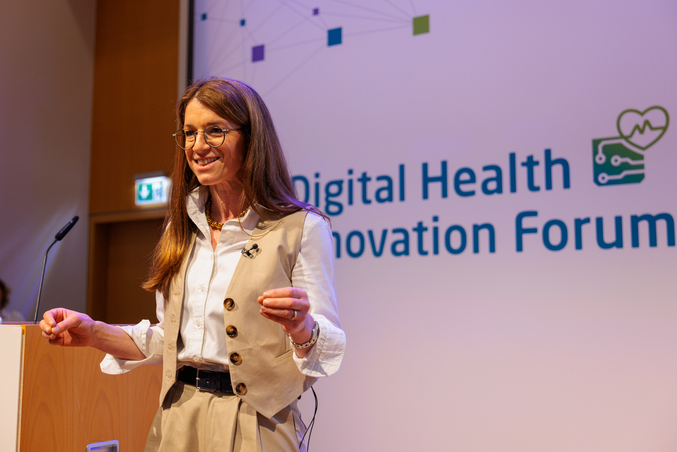
Catalysts of Change: Where Research Meets Policy and Business Leadership
The digital transformation of healthcare is accelerating: faster, smarter and, more connected than ever before. Data- and technology-enabled care delivery are reshaping medical practice, form telemedicine and remote services to AI-driven diagnostics and personalized medicine.
Since its founding in 2017, the Digital Health Cluster (DHC) at the Hasso Plattner Institute (HPI) has been dedicated to researching and advancing digital technologies in medicine, healthcare, and global public health.
Following the success of its inaugural edition, Prof. Dr. Ariel Dora Stern and Prof. Dr. Lothar Wieler hosted the second HPI Digital Health Innovation Forum on March 25 & 26, 2026, continuing its mission to foster collaboration in research, policy, and digital health business leadership and to fortify the digital transformation of healthcare globally.
Among others, the following speakers participated:
- Girish Nadkarni, Chair AIand Human Health, Icahn School of Medicine at Mount Sinai, USA
- Betsabeh Madani-Hermann, Philips, Netherlands
- Jennifer Goldsack, Digital Medicine Society, USA
- Sievert Weiss, AMBOSS, Germany
- Eyal Zimlichman, Sheba Medical Center, Israel
- Ian Abbs, Guys and St. Thomas´NHS Foundation Trust, United Kingdom
- Catherine Pollard, Google Deepmind, United Kingdom
- Chenzhe Cao, Mass General Brigham, USA
- Jonathan Kolstad, UC Berkeley, Haas School of Business, USA
- Ishani Ganguli, Harvard Medical School, USA
- Kyle Myers, Harvard Business School, USA
- Lutz Hager, Bundesverband Managed Care e.V. (BMC e.V.), Germany
- Lars Masanneck, German Society for Digital Medicine, Germany
- Sandra Ruggles, Stanford Mussallem Center for Biodesign, USA
- Miriam Dahlinger, Süddeutsche Zeitung, Germany
- Aldo Faisal, UKRI Centre in AI for Healthcare, Imperial College London & University of Bayreuth, Germany & United Kingdom
- Jorge Fernández, Hospital Clinic de Barcelona, Spain
- Lina Behrens, HLTH Europe, Germany
- Louisa Specht-Riemenschneider, German Federal Commissioner for Data Protection and Freedom of Information, Germany
Save the date
The next Digital Health Innovation Forum will take place on March 17 and 18, 2027 at the HPI.
Subscribe to our newsletter to make sure you don’t miss any events and information.
Newsletter
Digital Health Innovation Forum 2026


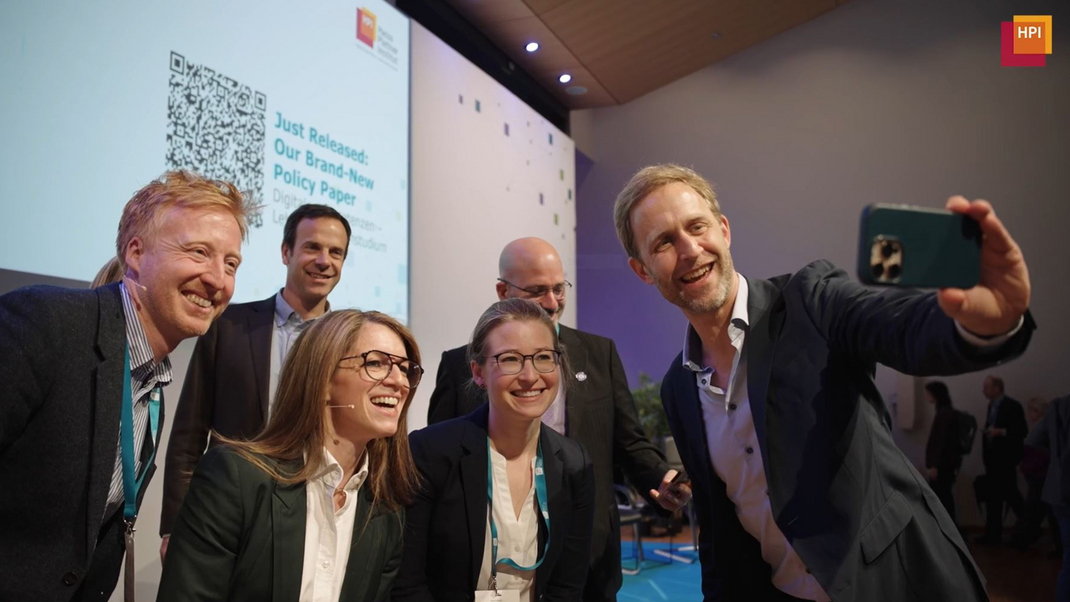
Speakers (Selection)
-
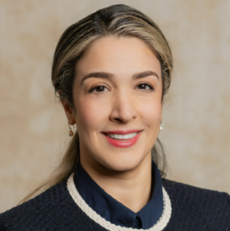
Betsabeh Madani-Hermann
Global Head of Research, Philips
More Betsabeh Madani-Hermann
Global Head of Research, Philips
Betsabeh Madani-Hermann is a global innovation leader known for speed of execution and turning bold ideas into market-shifting outcomes. In 2023 she became the first non-Dutch and first female head of research at Philips in the company’s 134-year history, where she leads breakthroughs translating advanced technology into real-world impact.
With a background in physics, biochemistry, and engineering, and an MBA from Dartmouth’s Tuck School, she brings more than 20 years of experience as an operator, investor, and strategist. Her career spans early-stage startups to $30 billion enterprises, across sectors from health care and biotech to AI, robotics, and cleantech. Sector-agnostic and global, Madani‑Hermann thrives on ambiguity, mobilizing cross-disciplinary teams to challenge limits and accelerate transformation. Her leadership blends systems thinking with a builder’s mindset, driving growth, aligning stakeholders, and scaling innovation across industries and geographies.
-
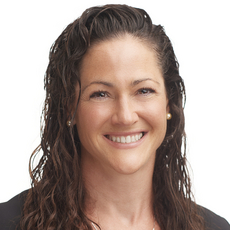
Jennifer C. Goldsack
CEO, Digital Medicine Society
More Jennifer C. Goldsack
CEO, Digital Medicine Society
Jennifer C. Goldsack is the founder and CEO of the Digital Medicine Society (DiMe), a 501(c)(3) non-profit dedicated to advancing digital medicine to optimize human health. Her work focuses on practical approaches to the safe, effective, and equitable use of digital technologies to improve health, healthcare, and health research.
Jennifer serves on the boards of the Coalition for Health AI (CHAI) and Sage Bionetworks. She is a member of the National Academies of Sciences, Engineering, and Medicine’s Roundtable on Genomics and Precision Health, serves on the World Economic Forum’s Digital Health Action Collaborative, and is an Executive Committee Member of the U.S. Department of Health and Human Services’ National Committee on Vital and Health Statistics (NCVHS).
She earned a master’s degree in chemistry from the University of Oxford, a master’s in the history and sociology of medicine from the University of Pennsylvania, and an MBA from the George Washington University.
-
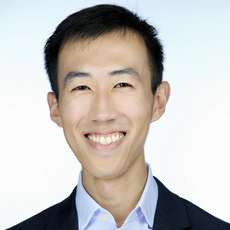
Chenzhe Cao
Principal Technology Strategisst, Mass General Brigham
More Chenzhe Cao
Principal Technology Strategisst, Mass General Brigham
Chenzhe (Chen) Cao is an experienced digital health strategist with over a decade of expertise in the healthcare industry. As the Principal Technology Strategist for Emerging Technologies at Mass General Brigham, Chen leads strategic initiatives that integrate cutting-edge solutions into clinical operations and research. He has successfully driven a number of high-impact projects across the integrated academic health system, fostering critical collaborations between providers and emerging and established technology partners.
His primary areas of focus include the application of artificial intelligence (AI) in healthcare, as well as the exploration of extended reality (AR/VR) and robotics within academic medical centers. In addition to his strategic leadership, Chen serves as an Adjunct Faculty member at the Boston University School of Public Health, where he helps educate the next generation of healthcare professionals. He is also deeply engaged with the alumni community, serving as a member of the Boston University Alumni Council.
-
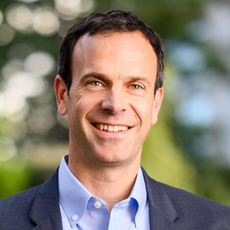
Prof. Dr. Jonathan Kolstad
Professor, Founder, UC Berkeley, Haas School of Business
More Prof. Dr. Jonathan Kolstad
Professor, Founder, UC Berkeley, Haas School of Business
Jonathan Kolstad is the Henry J. Kaiser Chair at the Haas School of Business and a Professor in the Economics Department at UC Berkeley and the Computational Precision Health Department, which is jointly between UC Berkeley and UCSF. His research spans health economics, industrial organization, and the application of causal inference and machine learning to understand human behavior and to redesign system-wide decisions and care delivery. He is also the CEO and Co-Founder of Knit Health, where he leads the development of clinical intelligent AI that enables the healthcare system of the future by expanding access, improving patient experience, and advancing better health at scale. Kolstad previously founded Picwell and Healthpilot and advises a range of healthcare and life-science organizations. Kolstad received his PhD from Harvard University and BA from Stanford University.
-

Prof. Dr. Ishani Ganguli
Professor of Medicine, Harvard Medical School
More Prof. Dr. Ishani Ganguli
Professor of Medicine, Harvard Medical School
Ishani Ganguli is an Associate Professor of Medicine, health services researcher, and practicing primary care physician at Harvard Medical School and Brigham and Women’s Hospital. Her research focuses on primary care payment, delivery, and policy; the use and consequences (cascades) of low-value care; innovation and tradeoffs in ambulatory care for older adults; and gender equity. Dr. Ganguli serves as an Associate Editor at JAMA Internal Medicine and as a member of the National Academies of Sciences, Engineering, and Medicine (NASEM) Standing Committee on Primary Care. She is also a former journalist who has written about science and health care for The Boston Globe and The Washington Post, among other publications. She received her AB, MD, and MPH from Harvard University and completed internal medicine/primary care residency and a health policy and management fellowship at Massachusetts General Hospital.
-
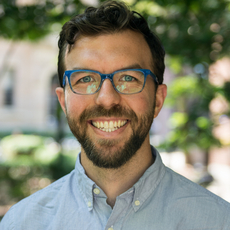
Prof. Dr. Kyle Myers
Associate Professor of Business Administration, Harvard Business School (USA)
More Prof. Dr. Kyle Myers
Associate Professor of Business Administration, Harvard Business School (USA)
Kyle Myers is an Associate Professor of Business Administration in the Technology and Operations Management Unit at the Harvard Business School. Professor Myers studies the economics of innovation, and his work is at the intersection of science and business. He is focused on making markets for new ideas more efficient.
-

Prof. Dr. Lutz Hager
Professor for Healthcare Management, SRH Fernhochschule
More Prof. Dr. Lutz Hager
Professor for Healthcare Management, SRH Fernhochschule
Prof. Dr. Lutz Hager is professor for healthcare management at SRH Fernhochschule – The Distance Learning University. He also serves as Chairman of the Board of the German Managed Care Association and as Vice-Chair of the Gesundheitsplattform Rhein-Neckar. He is a fellow of Sciana – The Health Leaders Network.
From 2019-2021, he held a position as Managing Director of a group of ambulatory care practices; previously he served for eight years as Executive Director of regional payor IKK Südwest. He is a political scientist by training and holds a degree from Free University of Berlin and Sciences Po Paris. After his Ph.D. he spent six years with McKinsey&Co. as a consultant.
-
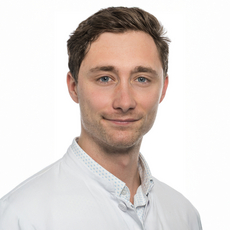
Dr. Lars Masanneck
Clinical Scientist in Neurology, University Hospital Düsseldorf
More Dr. Lars Masanneck
Clinical Scientist in Neurology, University Hospital Düsseldorf
Lars Masanneck, MD, MSc, is a clinician-scientist in neurology with a strong focus on digital medicine and translational research. He works at the University Hospital Düsseldorf, where he co-leads the working group “Digital Translation in Neurology.” His research integrates clinical neurology, digital biomarkers, and advanced data analytics, with a particular interest in neuroimmunological diseases. He holds a Master’s degree in Digital Health from the Hasso Plattner Institute, where he is a guest researcher in the working group of Ariel Stern. Since 2023, Lars Masanneck has served as Chair of the German Society for Digital Medicine.
-
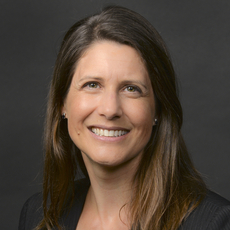
Dr. Sandra Ruggles
Director, Policy Research, Stanford Mussallem Center for Biodesign
More Dr. Sandra Ruggles
Director, Policy Research, Stanford Mussallem Center for Biodesign
Sandra Ruggles leads Policy Research at Stanford Biodesign, at the intersection of innovation, reimbursement, and regulatory policy. Her recent work focuses on pathways for novel medical technologies, including AI-enabled devices, to achieve market access and coverage. She is also President of Summit Rock Strategy Consulting, a boutique firm that works with companies developing disruptive healthcare technologies. Sandra brings expertise in designing market research strategies, capturing and synthesizing physician input, and guiding commercial and portfolio strategy for both emerging and established medtech firms. Sandra was named a Top Innovator Under 35 by MIT Technology Review and holds over 20 patents across domains, including therapeutic proteins and consumer medical devices. She earned her PhD in biophysics from UCSF and is an alumna of the Stanford Biodesign Innovation Fellowship.
-

Michael Hübner
Managing Director, Sana Data Solutions
More Michael Hübner
Managing Director, Sana Data Solutions
Michael has held various positions in the healthcare industry for more than 18 years. He is a qualified health economist (M.Sc.). Since November 2021, he has been a manager at Sana Kliniken AG, as a part of corporate development. In his role, he manages innovative digitization projects throughout the group and develops strategies and new business areas for the executive board. Since June 2025 he is CEO of Sana Data Solutions GmbH, which aims to make health data available for secondary use such as research. He also helps healthcare Start-ups succeed with their business models in the German healthcare market as a coach. Since November 2024 he is a member of the board for the health industry association sphin-x e.V. that aims to create a collaborative health data space in Germany.
Before Sana Kliniken AG, Michael advised international healthcare organizations for KMPG and worked as a project lead for a digital health startup. Michael also has a successful entrepreneurial track record as a co-founder of a health insurance broker and has in-depth knowledge of the German healthcare system.
-
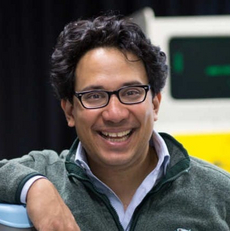
Prof. Dr. Aldo Faisal
Director UKRI Centre AI for Healthcare at Imperial College & Chair in Digital Health, University of Bayreuth
More Prof. Dr. Aldo Faisal
Director UKRI Centre AI for Healthcare at Imperial College & Chair in Digital Health, University of Bayreuth
Aldo Faisal is Professor of AI & Neuroscience at Imperial College London (since 2009) and Chair in Digital Health at Universität Bayreuth, Germany (since 2022). He held a 5-year UKRI Turing AI Fellowship and directs the £55m UKRI Centres in AI for Health—one of the world’s largest research and training programmes in medical AI. His textbook Mathematics for Machine Learning is an Amazon Global Top 10 in computer science, and he has co-created university and executive AI degrees across three countries to help bridge the global skills gaps. Internationally recognised as one of the first computer scientists leading clinical trials that translate AI from algorithms to the bedside, Aldo develops solutions unimaginable before AI—such as AI-driven discovery of digital biomarkers that de-risk drug development in rare disease (now commercialised through his spin-out Ethomix Ltd), and the AI Clinician, a breakthrough system for AI-driven intensive care treatments.
Beyond research, he has actively shaped global AI policy and regulation, co-authoring white papers with governments and regulators. His expertise was recognised by the German Parliament, which appointed him as the first computer scientist to the German Ethics Council in 2024 and was appointed to the AI panel of the German Bundesärztekammer.
He now spearheads Nightingale AI, an international effort to build the world’s first health foundation model, trained on millions of donated patient records and powered by Europe’s largest supercomputers.
-
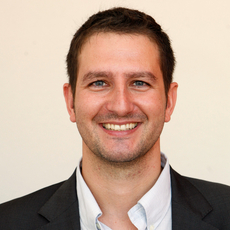
Dr. Jorge Fernández
Chief Innovation Officer, Hospital Clínic de Barcelona
More Dr. Jorge Fernández
Chief Innovation Officer, Hospital Clínic de Barcelona
Jorge defines and executes the innovation agenda at Hospital Clínic Barcelona, a top public tertiary hospital, among the top 30 in the world according to the Newsweek Rankings. According to Newsweek's ranking of the World's Best Specialized Hospitals, Clínic Barcelona ranks #8 in Obstetrics & Gynecology, #19 in Urology, #34 in Cardiac Surgery, and #35 in Cardiology worldwide. Jorge coordinates the innovation agenda at all the institutions that compose Campus Clínic Barcelona: Hospital Clínic Barcelona (a top public tertiary hospital), IDIBAPS (the research foundation), ISGlobal (the global health research foundation) and Mon Clínic (the private not-for-profit foundation).
He also acts as Venture Partner at Nina Capital, a specialized venture capital firm investing exclusively in the intersection of healthcare and technology at the pre-seed and seed stages. As a venture partner, Jorge helps the firm identifying the right companies and then helping the founders of those portfolio companies with advice and connections.
Previously, Jorge was Director of Innovation (portfolio of over 140 large-scale projects) and member of the Executive Management Board of EIT Health (Munich, 2018-2022), an independent official body of the European Union, mandated to accelerate innovation and entrepreneurship in healthcare and life sciences in Europe. He has extensive knowledge of healthcare systems in Europe, both from the providers' side as well as corporates, startups and investors.
Jorge was Director of Digital Health at Hospital Sant Joan de Déu Barcelona (2010-2018) and Director of d·HEALTH Barcelona (2012-2018), a Stanford Biodesign program where interdisciplinary teams experience a full cycle of innovation, from need identification in clinical settings through invention to early-stage implementation.
Jorge is a founding member of the European Society for Artificial Intelligence in Health (ESIAH) and serves on its Executive Committee. He contributes to the Society’s establishment and early growth, supporting its mission to advance the responsible integration of AI into clinical practice, research, and health innovation.
-

Dr. Sievert Weiss
Co-Founder & Medical Director, AMBOSS
More Dr. Sievert Weiss
Co-Founder & Medical Director, AMBOSS
Dr. Sievert Weiss is a physician turned self-taught med-ed-tech entrepreneur known for his insatiable curiosity in exploring innovative ways to enhance healthcare. Serving as the co-founder and Director of Medical of AMBOSS since June 2011, he has played a pivotal role in revolutionizing the transfer of medical knowledge to the point of care. AMBOSS, under his co-leadership, has become a cornerstone for over two million medical professionals worldwide, providing instant, up-to-date information for efficient, evidence-based healthcare.
Apart from his role at AMBOSS, Dr. Weiss is an active angel investor in healthcare and education tech startups. His educational background includes a thesis on a molecular biology topic, training in anesthesia and psychiatry, and a scholarship from the German Academic Scholarship Foundation.
-
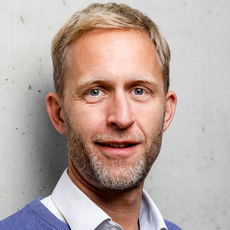
Prof. Dr. Bjoern Eskofier
Professor of AI-Supported Therapy Decisions, Ludwig Maximilian University of Munich
More Prof. Dr. Bjoern Eskofier
Professor of AI-Supported Therapy Decisions, Ludwig Maximilian University of Munich
Bjoern M. Eskofier (SM, IEEE) currently directs the Institute for AI in Medicine (I-AIM) at Ludwig-Maximilians-University Munich (LMU). Until September 2025, he headed the Machine Learning and Data Analytics (MaD) Lab at the Friedrich-Alexander-University Erlangen-Nuernberg (FAU). Bjoern also served as founding spokesperson of FAU’s Department Artificial Intelligence in Biomedical Engineering. Since April 2023, he is an associate principal investigator and leader of the research group “Translational Digital Health” at the Helmholtz Zentrum Munich.
Dr. Eskofier studied Electrical Engineering at FAU and graduated in 2006. He did his PhD in Biomechanics under the supervision of Prof. Dr. Benno Nigg at the University of Calgary (Canada). He authored more than 400 peer reviewed articles, holds 5 patents, started 3 spinoff startup companies, and is in a supporting role for further startups. He won several medical-technical research awards, including the “Curious Minds” award 2021 in “Life Sciences” by Manager Magazin and Merck and the “Unipreneurs” award 2023 from the German Minster of Education and Research and the Minister for Economy. In 2016, he was a visiting professor in Prof. Paolo Bonato’s Motion Analysis Lab at Harvard Medical School (February-March), in 2018, he was a visiting professor in Prof. “Sandy” Pentland’s Human Dynamics group at MIT Media Lab (March-August), and in 2023 (April-August), he was a visiting professor in Prof. Scott Delp’s NMBL lab at Stanford University’s Schools of Engineering and Medicine.
Bjoern Eskofier has defined his research and entrepreneurial agenda to revolve around contributions to a “Digital Health Ecosystem”, where patients are connected to other stakeholders within the healthcare system using digital support tools. His digital health research philosophy is that only multidisciplinary teams of engineers, medical experts, industry representatives and entrepreneurs will have the tools to actually implement changes in healthcare.
Conference Vision and Mission
Vision of the HPI Digital Health Innovation Forum
We envision an international ecosystem in which policy and business leaders are fully empowered to learn from global best practices, facilitating the use of digital technology to improve health, transform healthcare delivery, and generate lasting value for patients and society.
Mission of the HPI Digital Health Innovation Forum
The mission of the DHIF aims to foster a trusted, collaborative platform where diverse stakeholders and international thought leaders in the digital health ecosystem engage in meaningful dialogue, share insights, and drive impactful solutions to the most pressing challenges in digital health research, policy, and business.
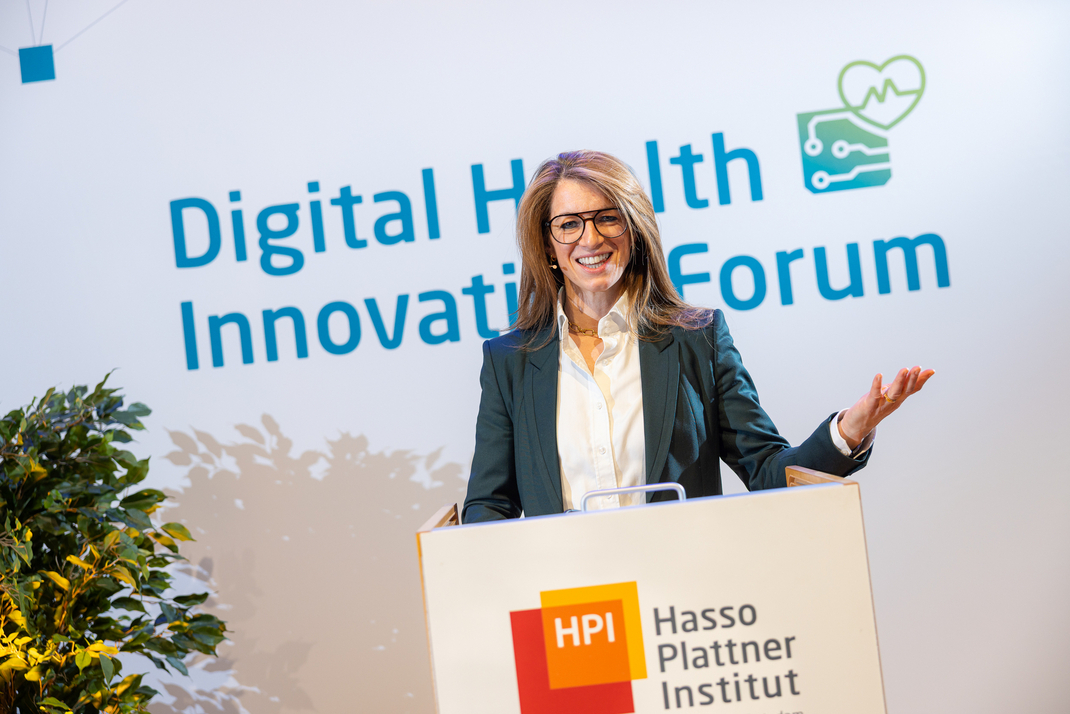
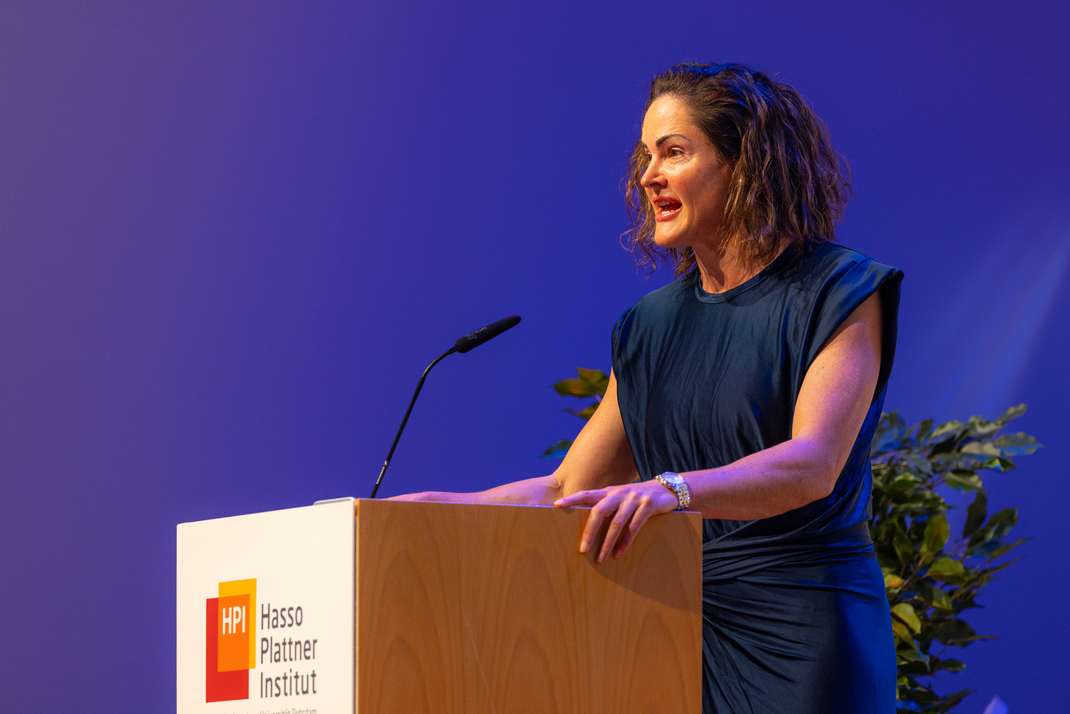
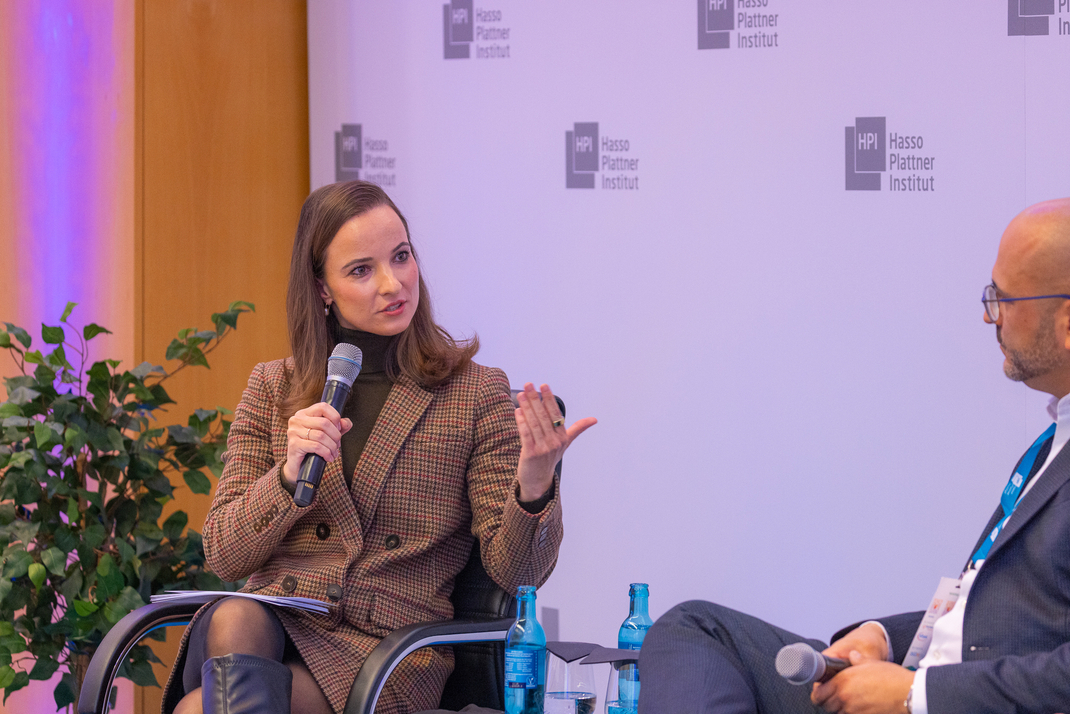
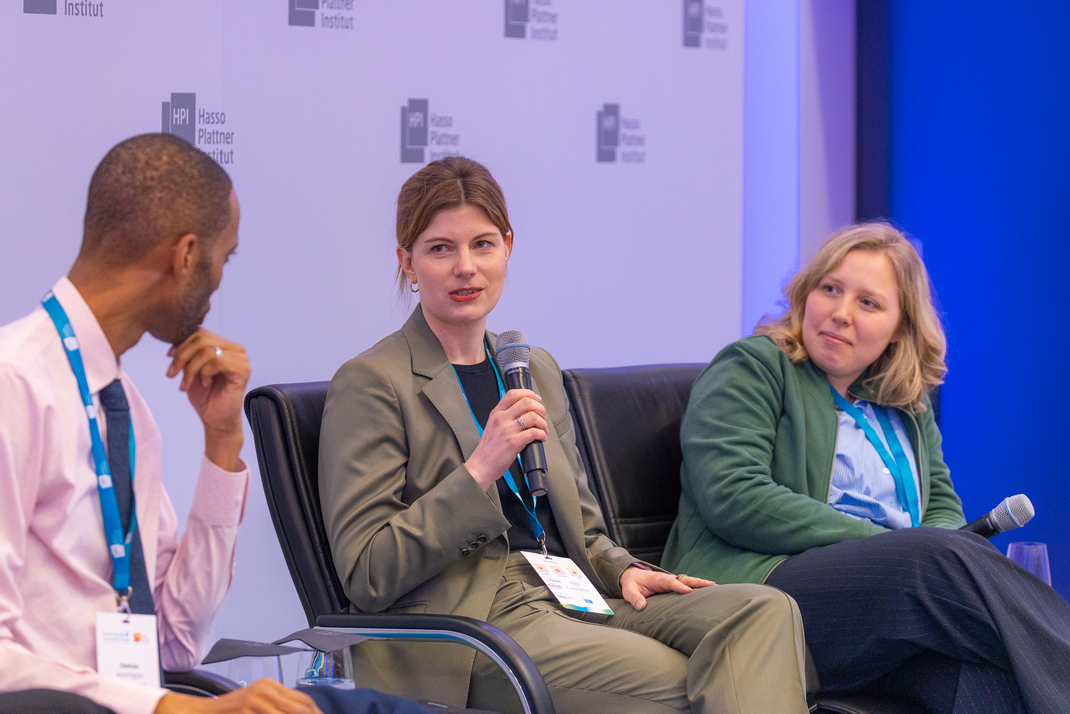
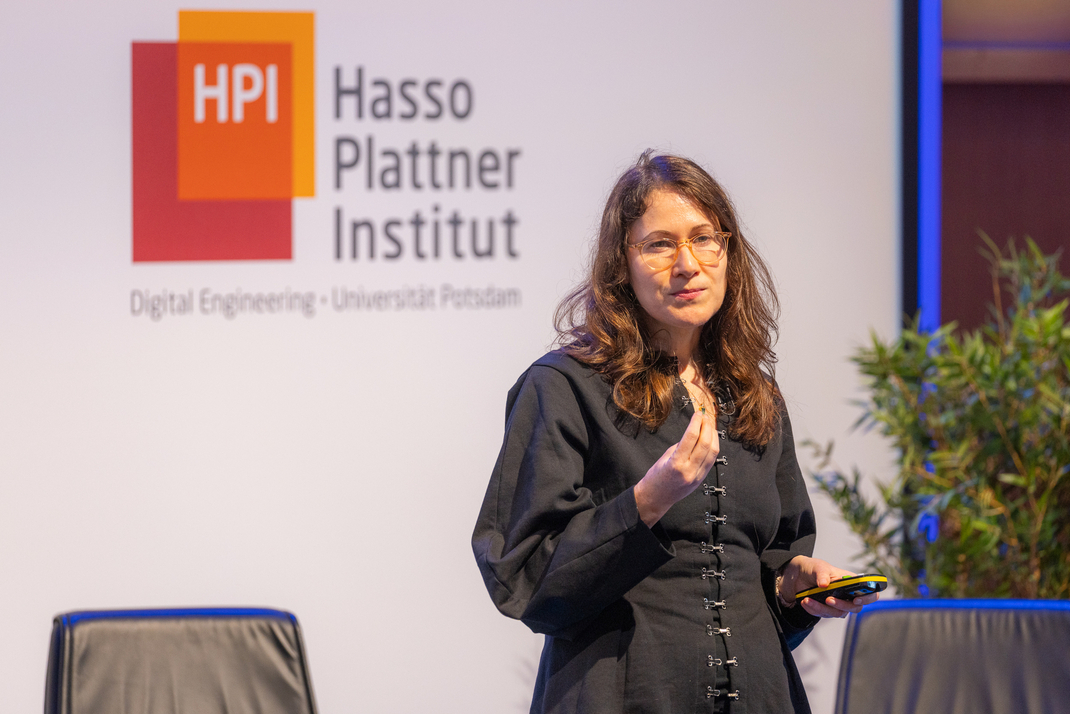
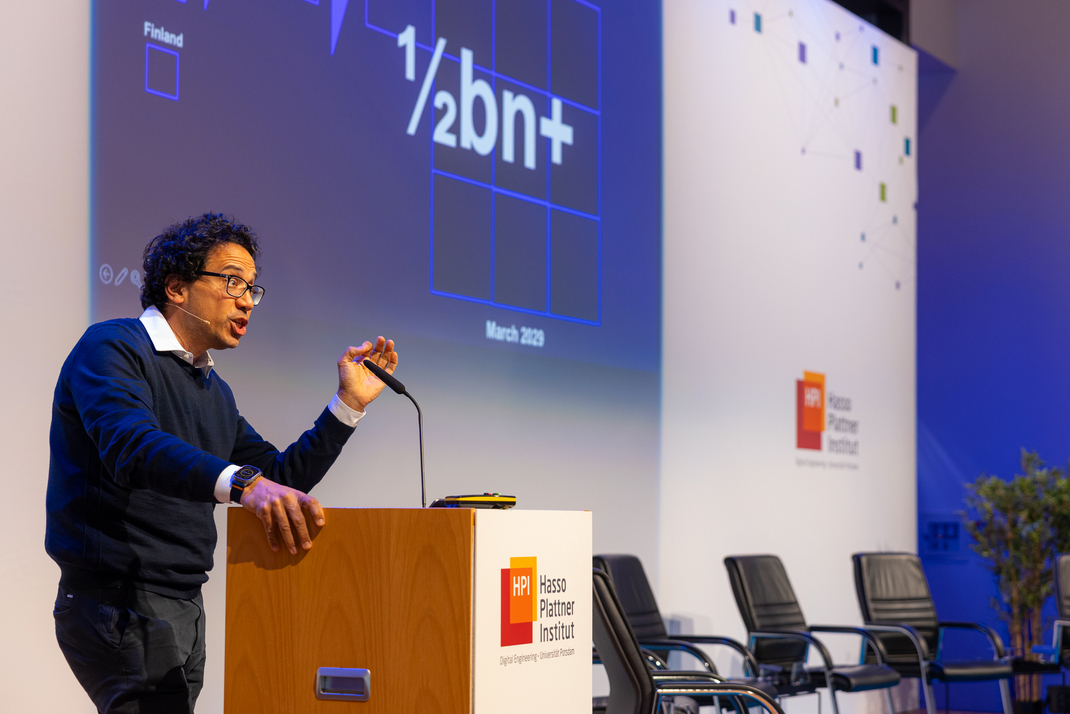
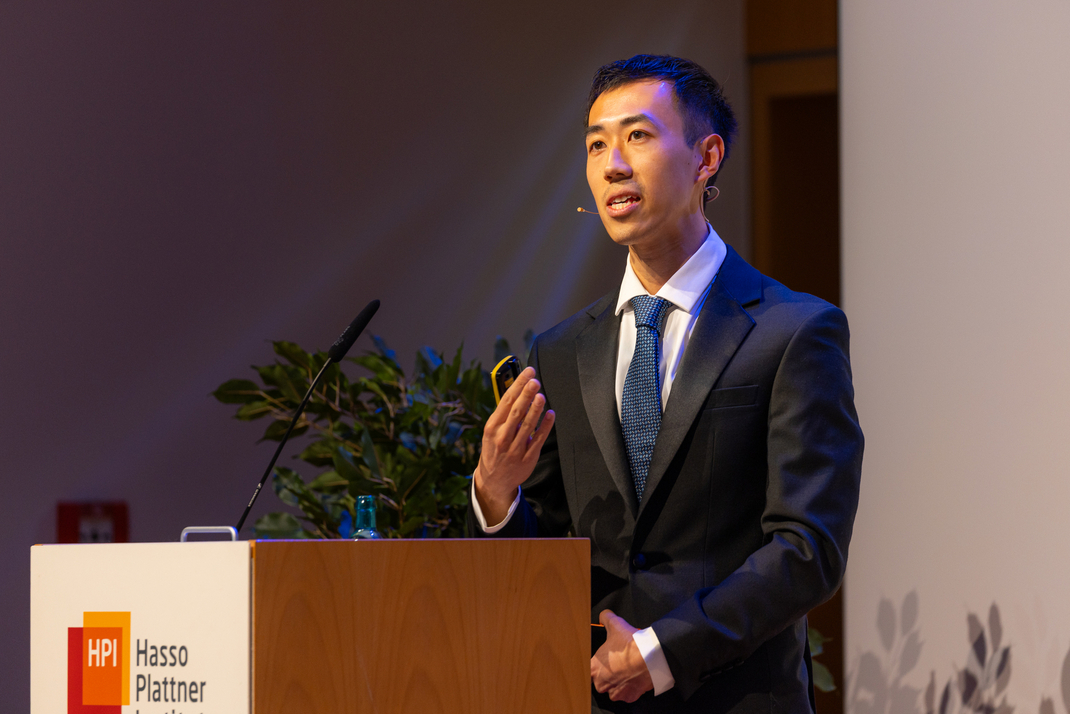
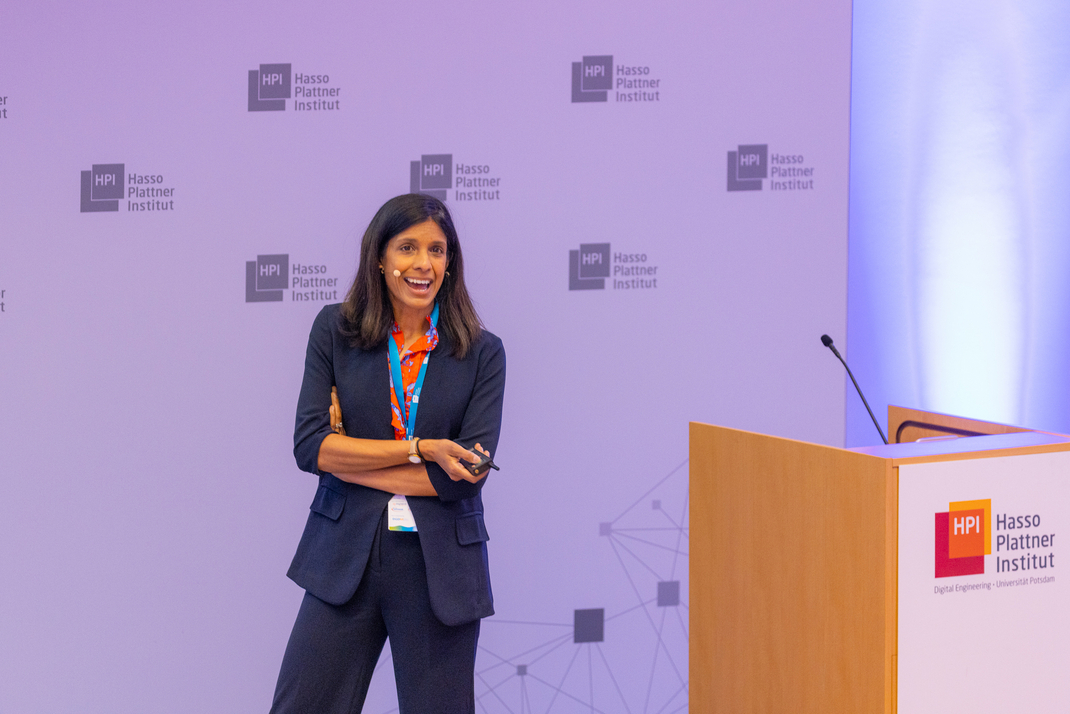
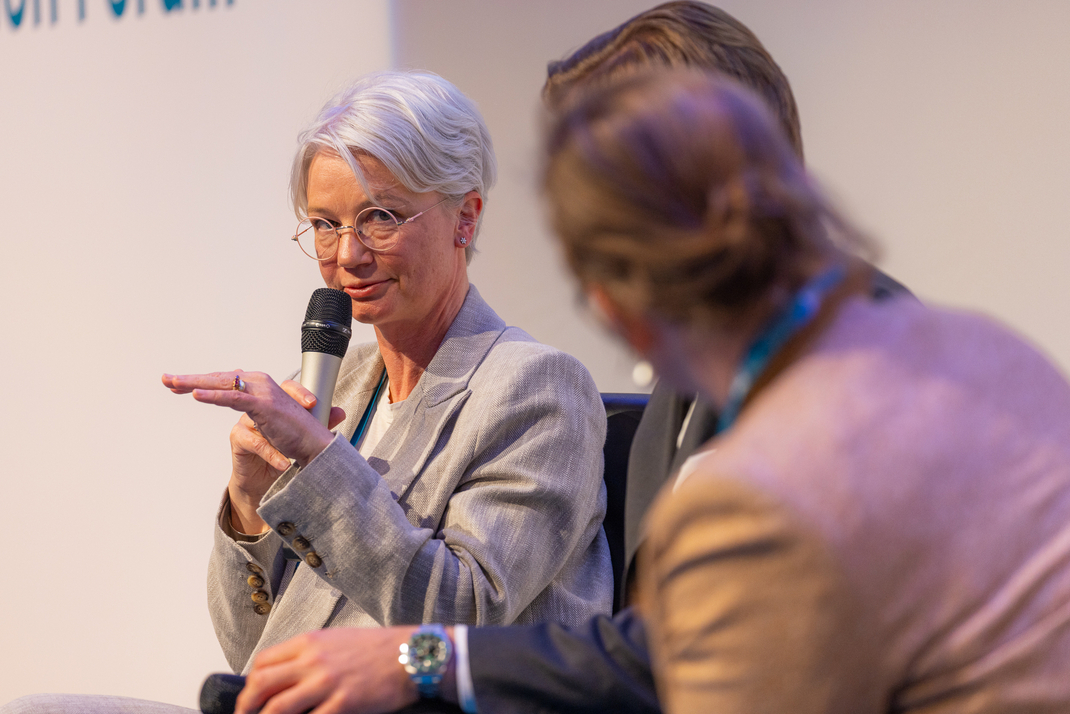
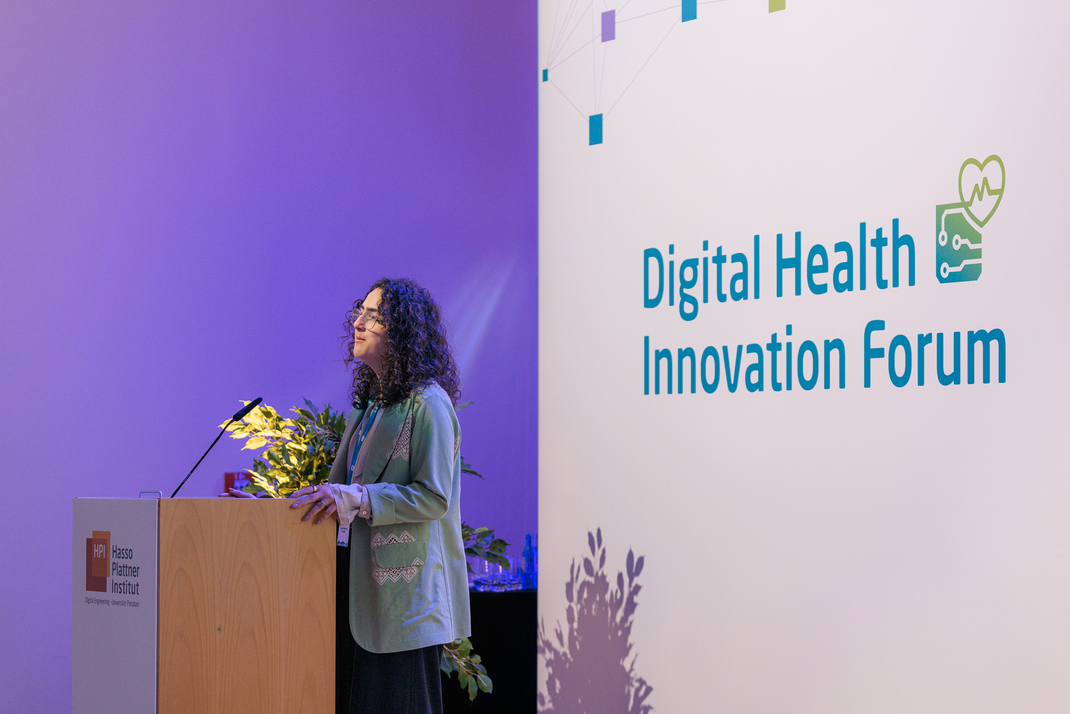
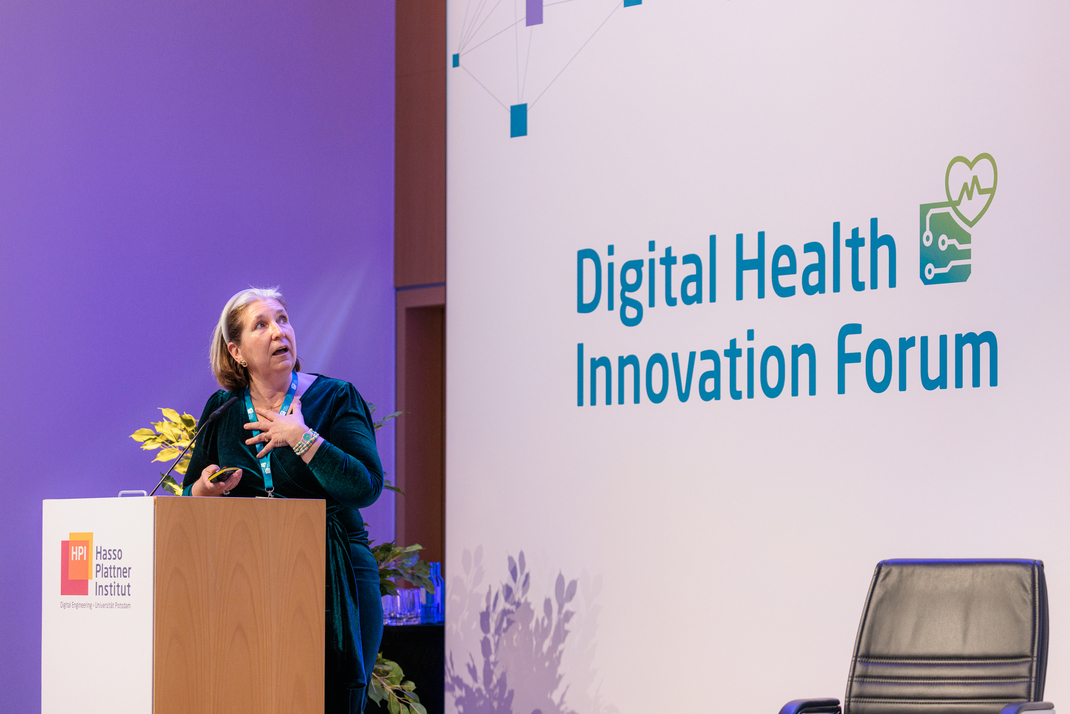
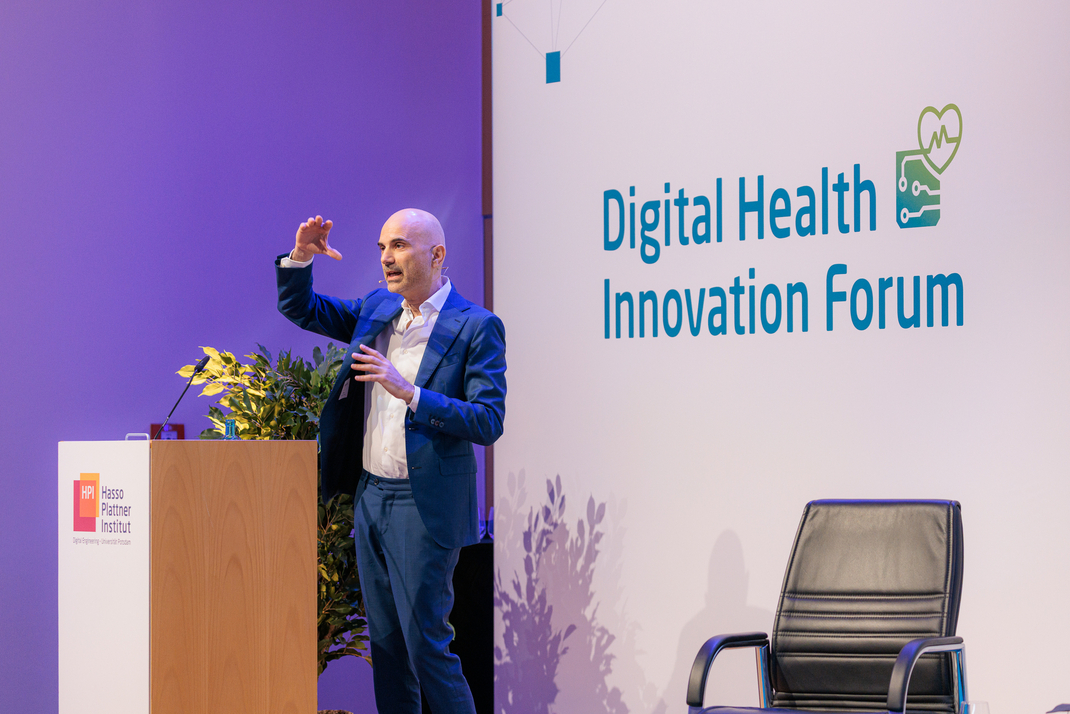
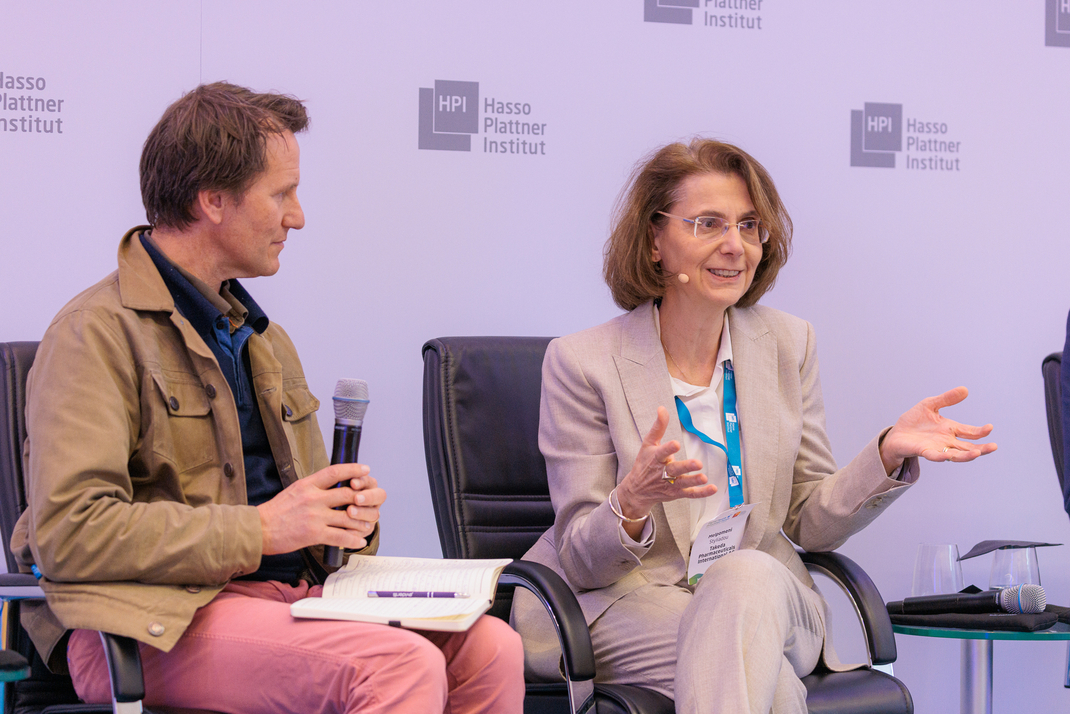
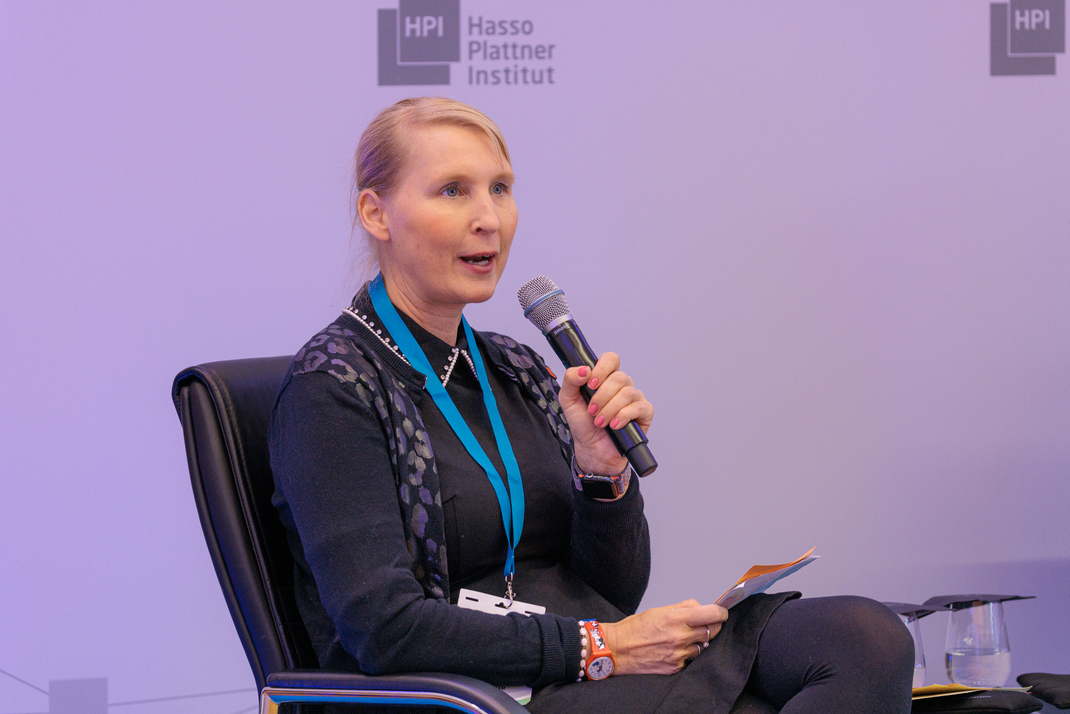
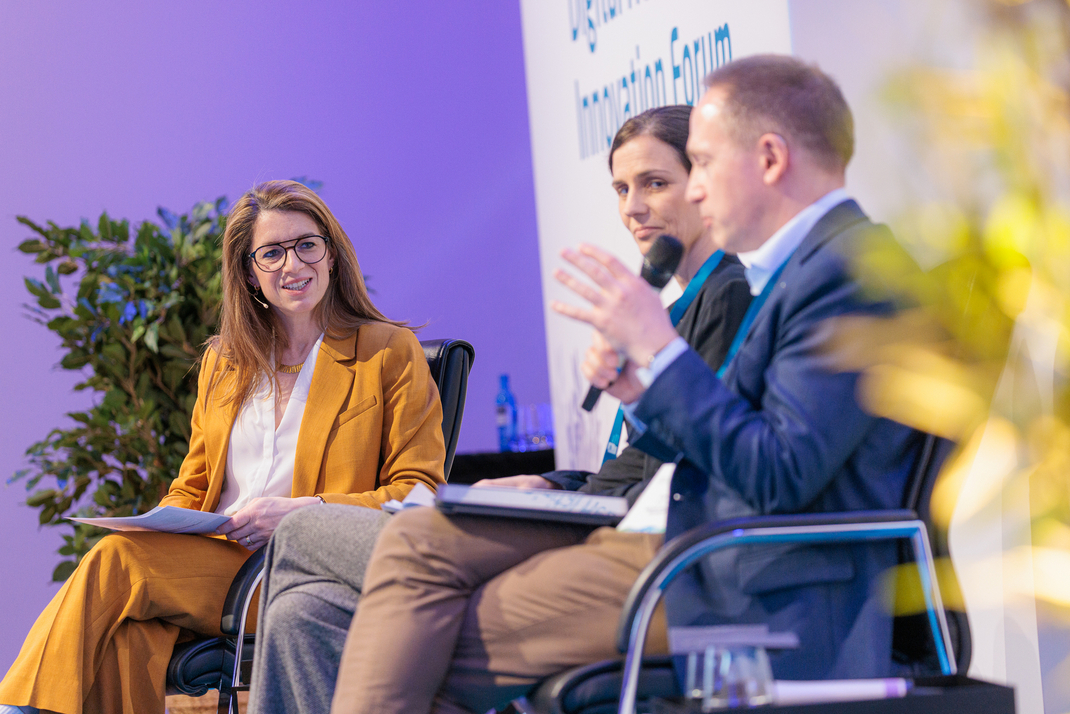
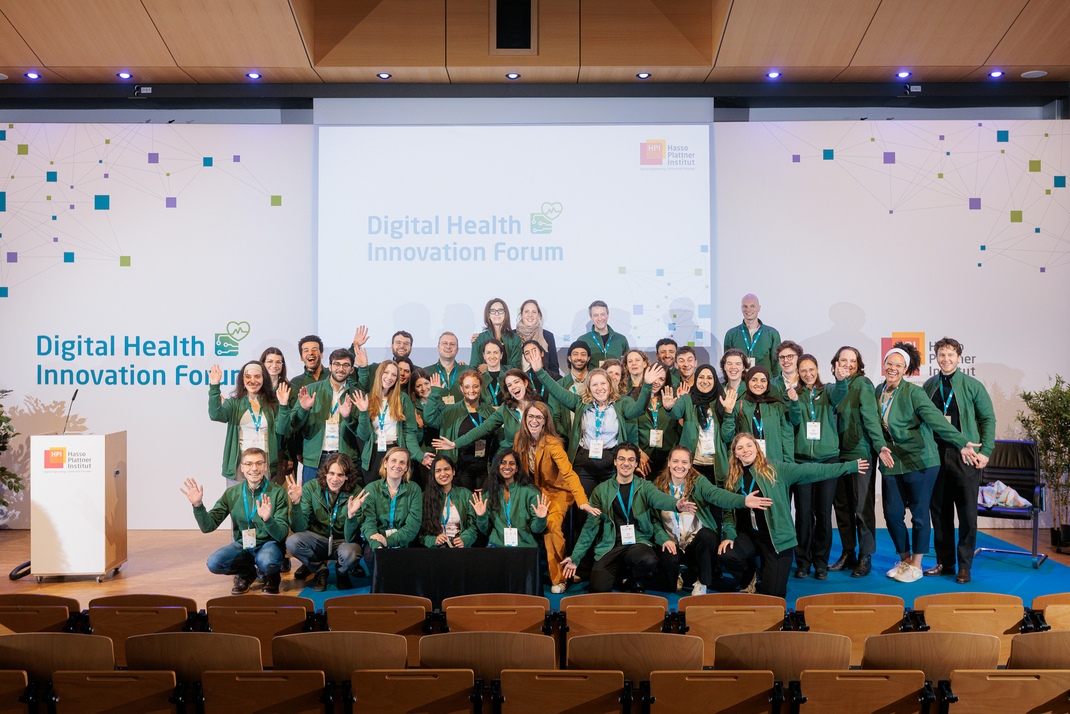
Picture Gallery Digital Health Innovation Forum (Photos: HPI/Reinhardt & Sommer)
-
-
-
-

-
-
-
-
-
-
-
-
 2026
2026 -
-
-
-

-

-
-
-
Program 2026
Conference panels and keynotes at the HPI Digital Health Innovation Forum 2026 will explore topics including:
- How Research Scientists Build Health AI
- Rewiring the Hospital: Data-Driven Health Care Delivery
- Digital Value-Based Care: Aligning Incentives, Data, and Delivery
- The Diagnostic Revolution: Integrating AI from Lab to Clinic
- Smart Care, More Time: How Digital Solutions Strengthen Nursing Teams
- Digitally Empowered Patients
... And many more topics!
Chairs of the HPI Digital Health Innovation Forum
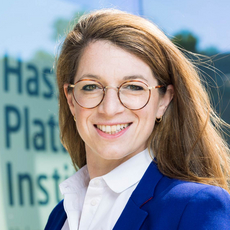
Prof. Dr. Ariel Dora Stern
Alexander von Humboldt Professor and Head of Digital Health, Economics & Policy

Prof. Dr. Lothar Wieler
Head of Digital Global Public Health and Speaker Digital Health Cluster
Partners 2026
-

myneva
The myneva Group is one of the leading European software providers in the social sector, with a strong focus on digitalization and innovation. Headquartered in Essen, more than 400 employees work across 18 locations. Today, over 6,300 institutions rely on myneva solutions: 540,000 users are supported by the software in their daily work, caring for around 1.7 million clients in eight European countries.
Guided by strong values such as trust, appreciation, and responsibility, myneva covers all areas of the social sector – from elderly care and integration assistance to child and youth welfare and social assistance. The company’s commitment is reflected in its user-friendly software solutions and close collaboration with stakeholders, aiming to improve care and create new perspectives in the social sector.
More -

-

-

The FLUTE project is set to revolutionize healthcare data utilization through a privacy-preserving approach. Our project aims to improve predictions of aggressive prostate cancer through AI support to physician, while minimizing unnecessary biopsies, ultimately benefiting patients and reducing associated costs.
More -

Novartis in Germany
Novartis is an innovative medicines company. Every day, we work to reimagine medicine to improve and extend people’s lives so that patients, healthcare professionals and societies are empowered in the face of serious disease. We focus on core therapeutic areas with high unmet patient needs and technology platforms that enable cutting-edge innovative therapies. Our medicines reach more than 300 million people worldwide. In Germany around 2,700 associates (HC) work at six Novartis locations.
Reimagine medicine with us: Visit us at https://www.novartis.de/ and connect with us on LinkedIn and YouTube.
-

Tagesspiegel Background
Tagesspiegel Background is the German expert portal with exclusive and up-to-date background information on politics and regulation for key players in politics, business and science. We provide our readers with independent, reliable and well-founded information on decisions and processes.
In our specialist journalistic briefings on eight different policy areas, we provide all the relevant news on the specialist policy debate, viewpoints from the industry and interesting facts about the players even before they are on the public agenda - every working day at 6 a.m., by email or on the web portal.
In our specialised political monitorings on four different policy areas, we bring transparency and analysis to regulatory processes and legislative procedures on a weekly basis: We track these closely, keep an eye on procedural deadlines and also provide relevant original documents from the political arena on an ad hoc basis by email.
More -

-
-

-

-

-

-

Please read our Code of Conduct: