


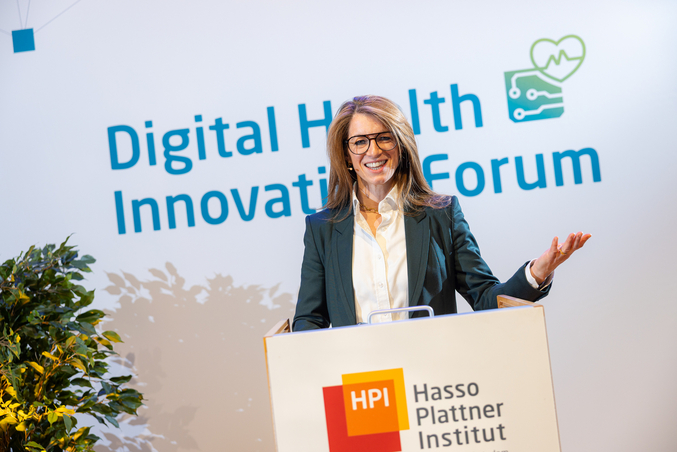
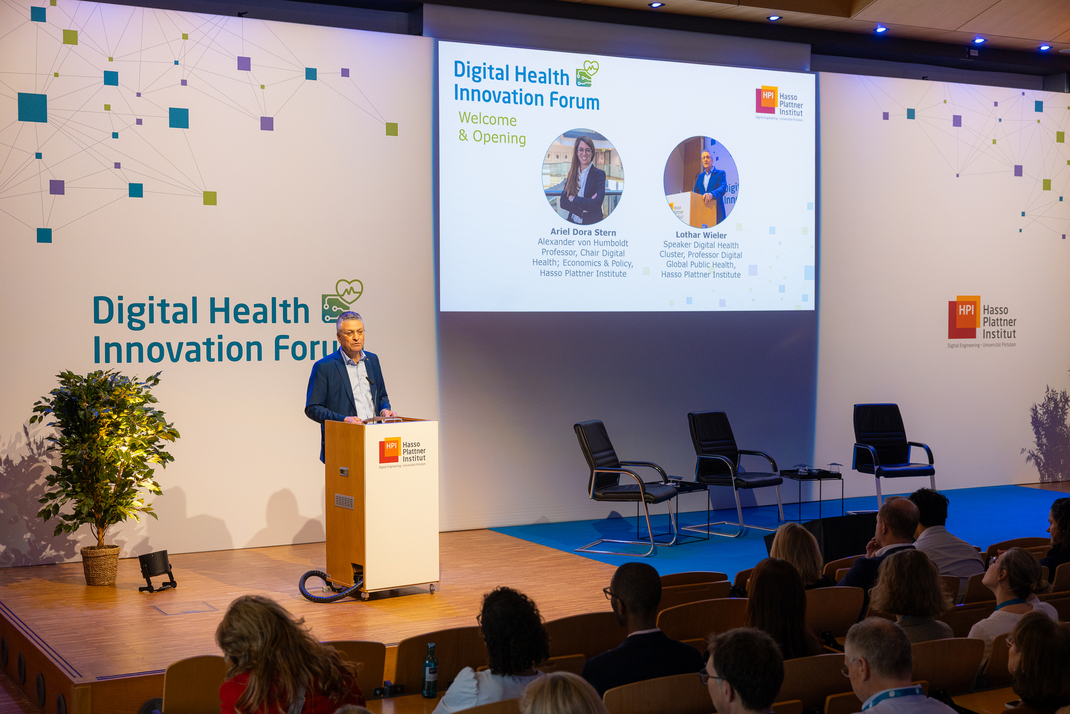
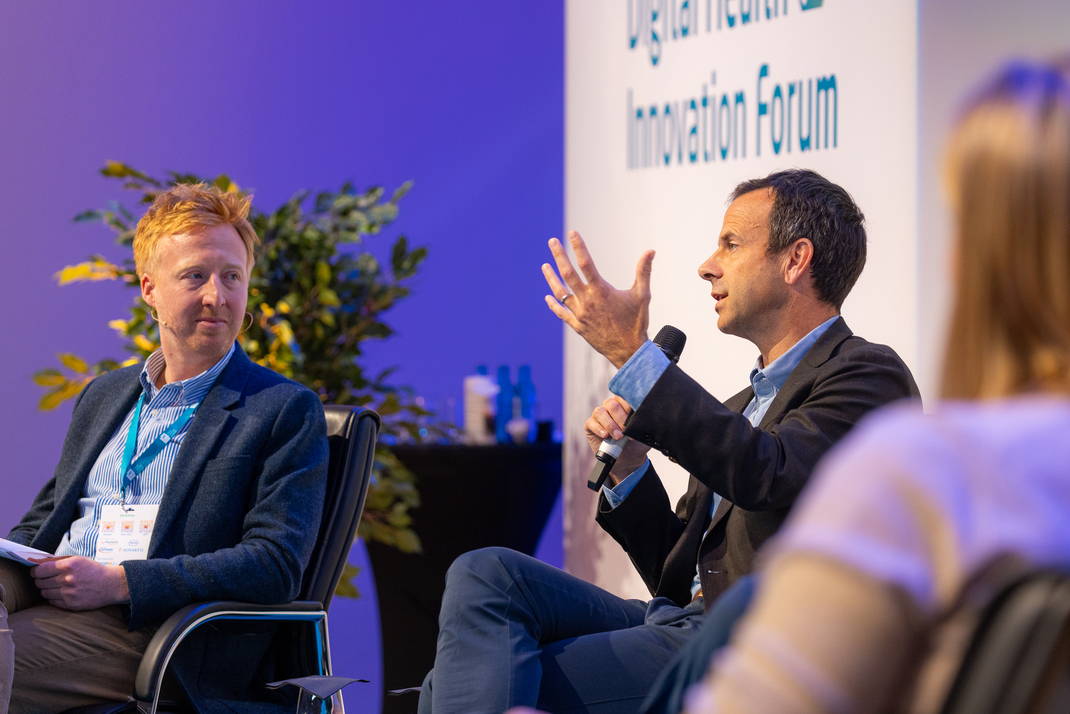
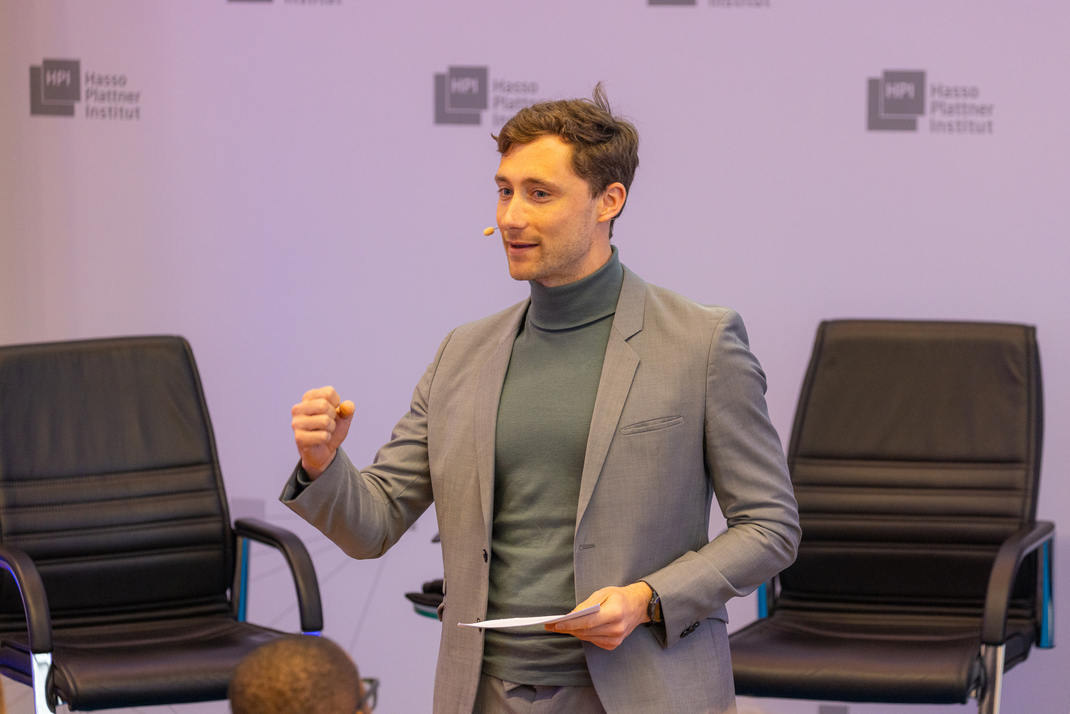
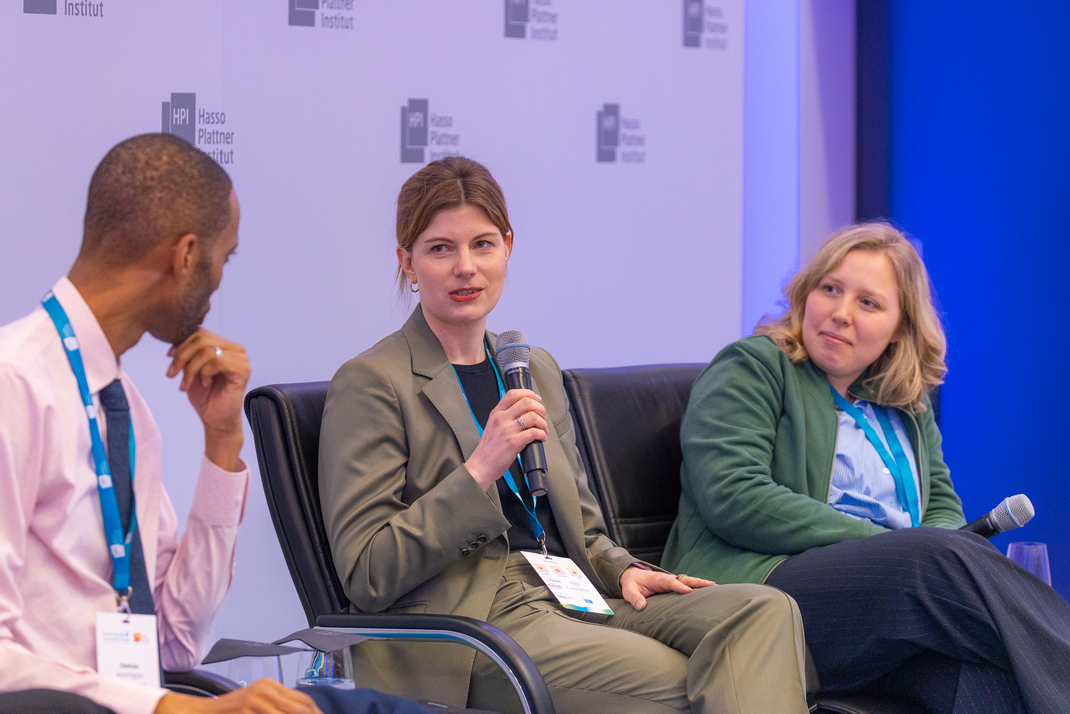
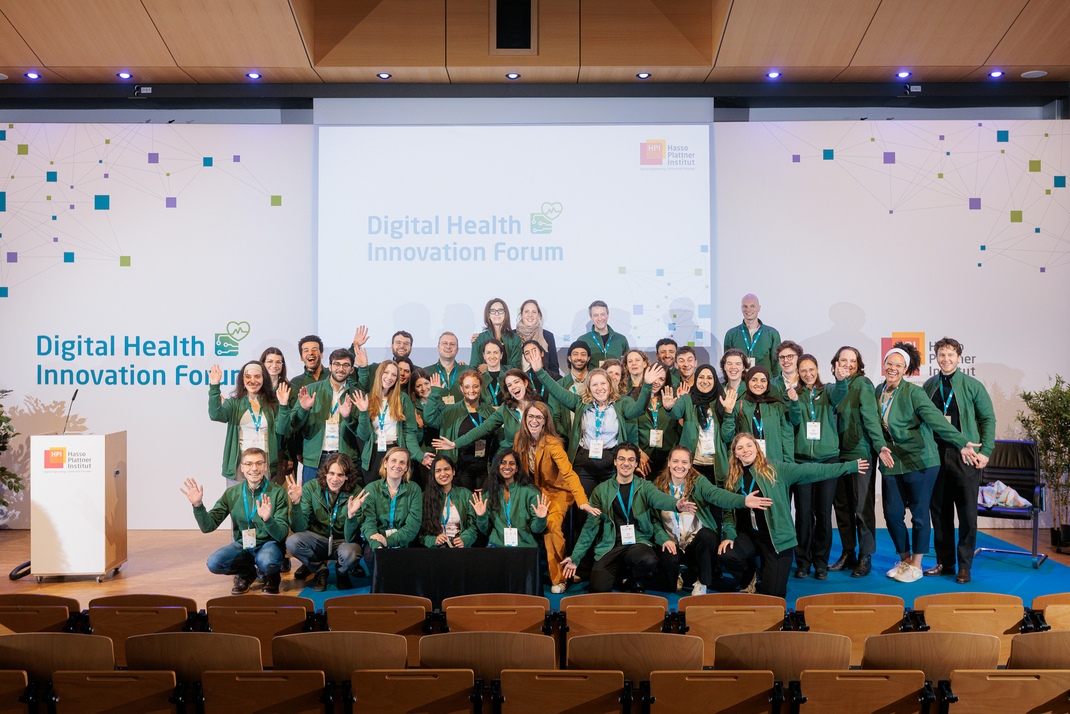
The lecture hall at HPI was once again packed, reflecting strong interest in the event. Following the successful inaugural edition last year, the second Digital Health Innovation Forum took place on March 25–26, 2026. Around 370 guests from research, industry, and politics attended this year, engaging in discussions about new approaches and challenges—at a time when exchange is more important than ever.
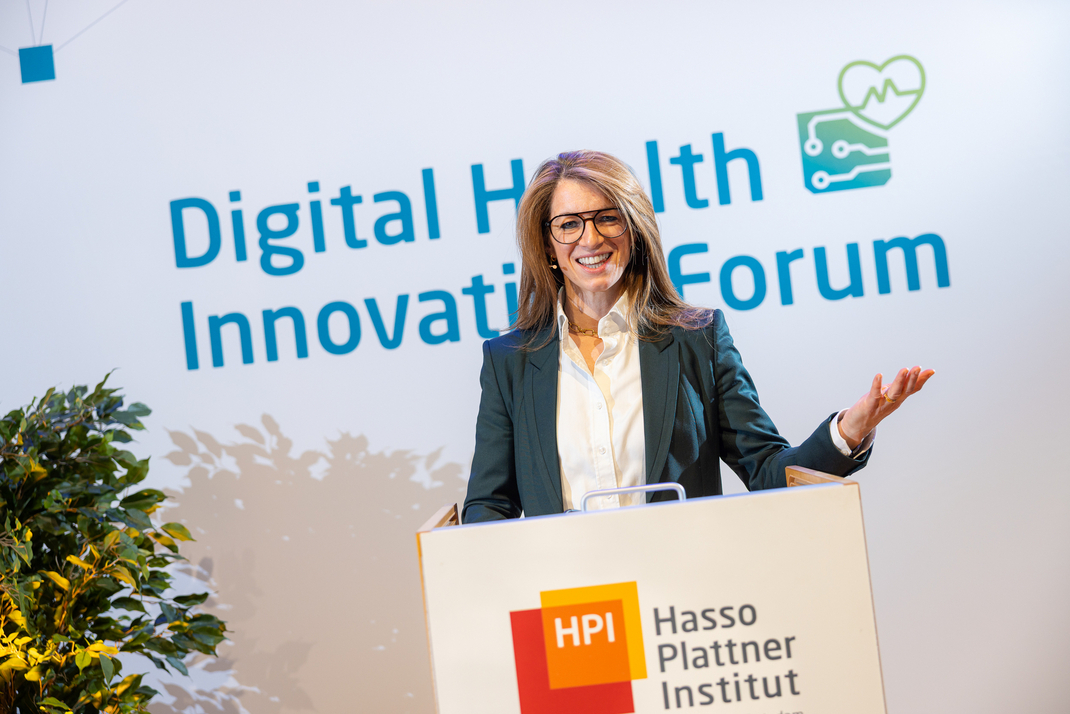
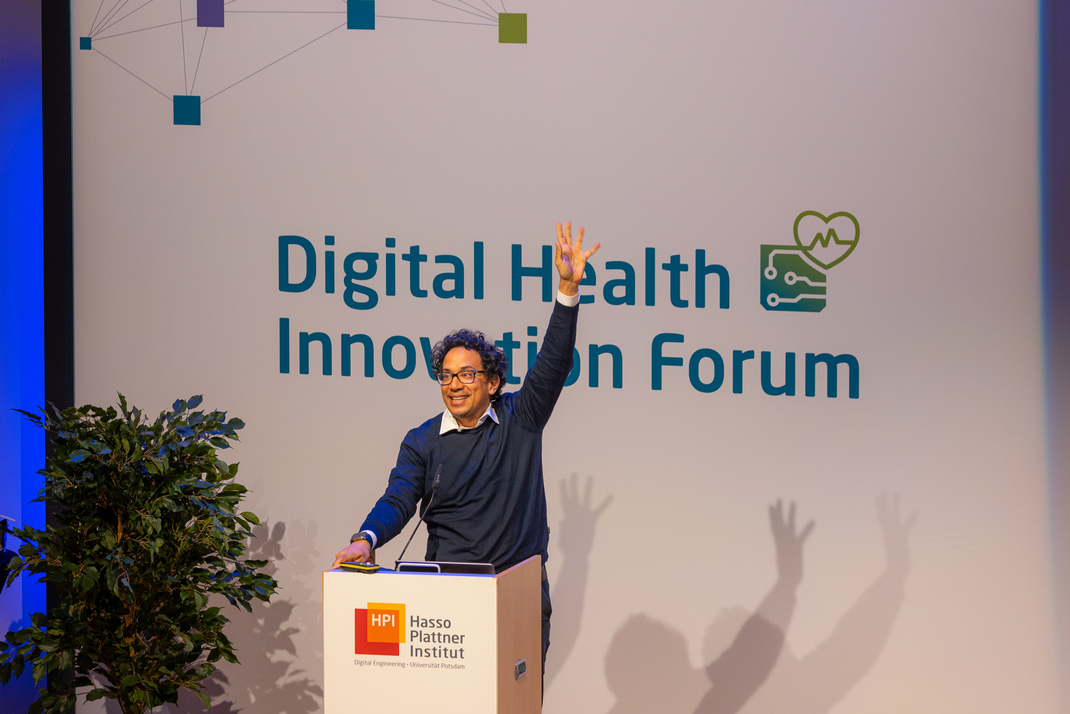
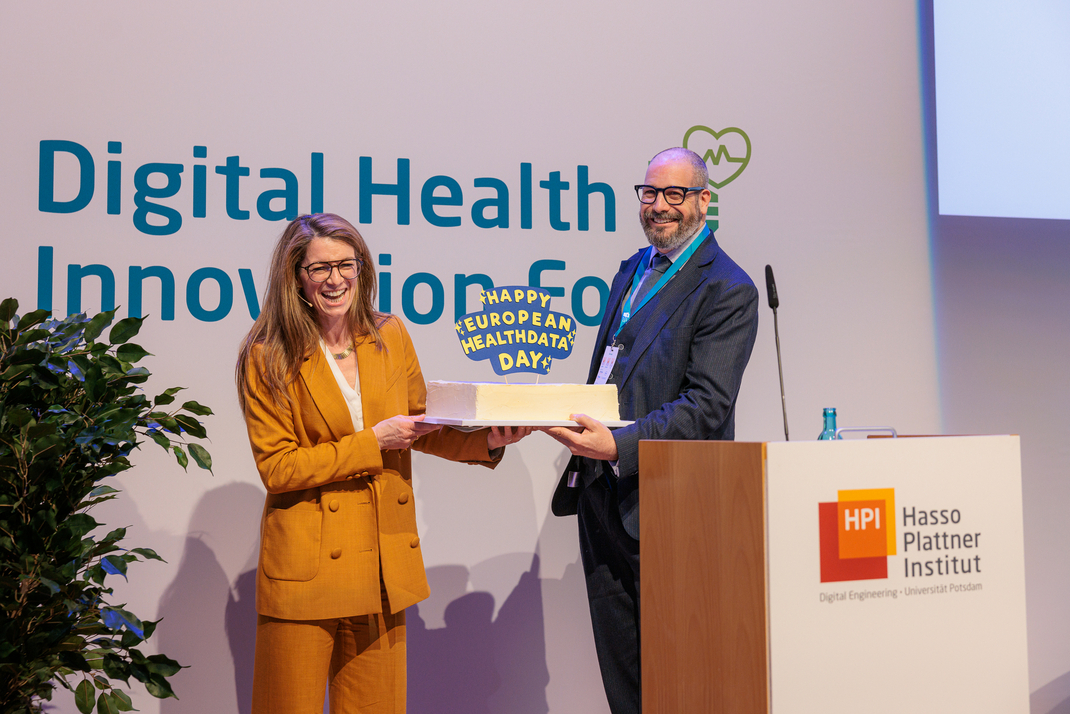
The digital transformation of healthcare is accelerating—faster, smarter, and more connected than ever before. Data- and technology-driven care models are reshaping medical practice, from telemedicine and remote treatment to AI-powered diagnostics and personalized medicine. At the opening, Prof. Ariel Dora Stern and Prof. Lothar H. Wieler, hosts of the conference, welcomed participants from around the world to the HPI campus.
Save the date
The next Digital Health Innovation Forum will take place on March 17 and 18, 2027 at Hasso Plattner Institute.
DHIF Website

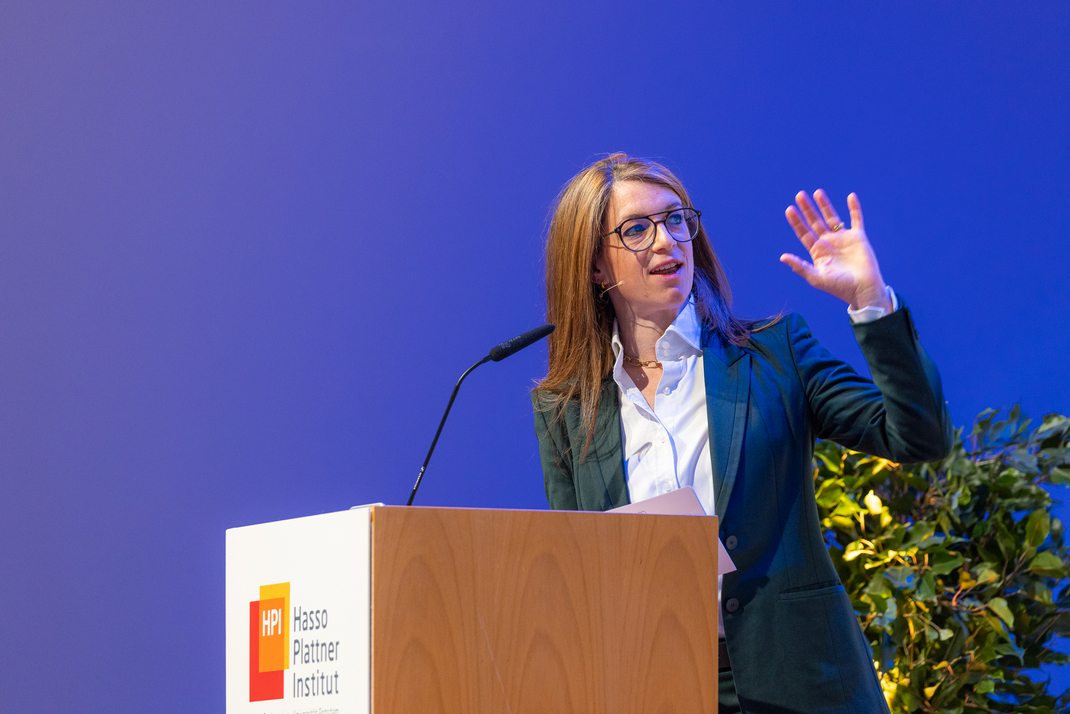
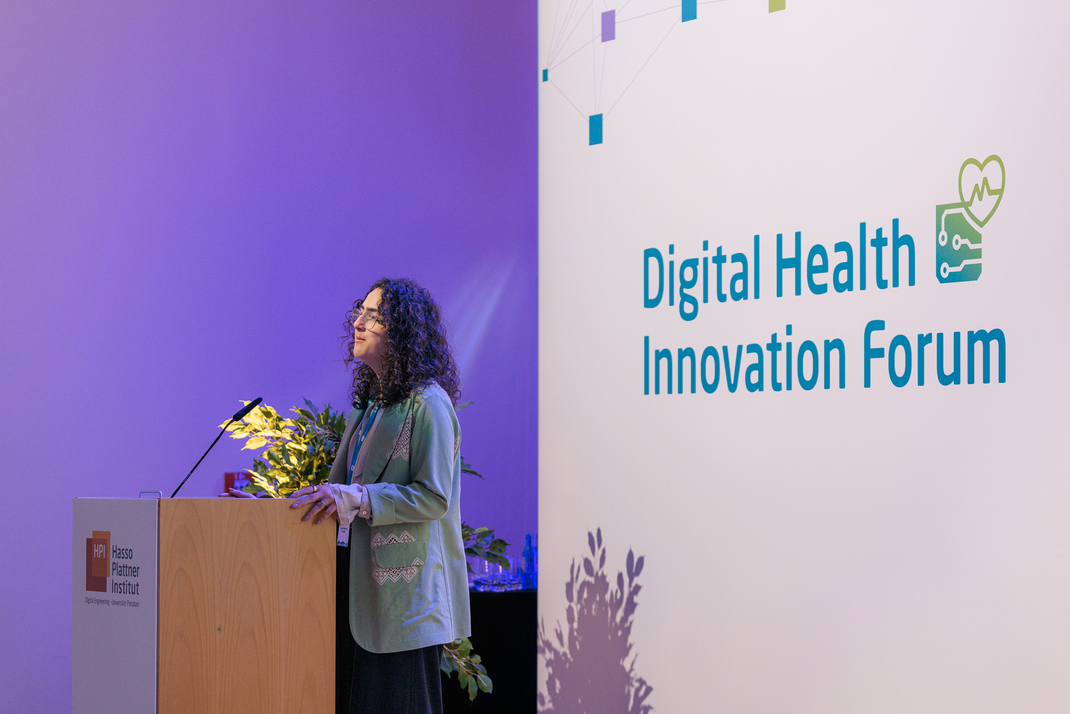
A bunch of terrific researchers only speaking to one another is not the best recipe for impact. So that is also not what we are doing here today. Instead, we have thought leaders from industry and policy joining us, and it is the exchange of ideas among all of us that has the potential to be the most transformative.
Prof. Ariel Dora Stern, DHIF Host and Head of "Digital Health, Economics & Policy" at HPI
AI-powered voice monitoring: What the voice reveals about the heart
For hands-on digital health, various exhibits were available in the lecture hall foyer, such as the startup Noah Labs. Heart failure is the leading cause of hospitalization among older adults—and almost always a matter of life and death. Dr. Leonhard Riehle, co-founder of Noah Labs, has witnessed this repeatedly in his work as a cardiologist at Charité Berlin. The challenge: with conventional diagnostic methods such as blood tests, a patient’s deterioration is often detected too late.
The founders of Noah Labs aim to change that. An AI model is being developed to assess the status of heart failure based on patients’ voices. The idea is that deterioration can be heard—just not always by the human ear. "Our long-term goal is to completely eliminate avoidable heart failure hospitalizations," says co-founder and CTO Marcus Hott.
Chatbot instead of the doctor’s office
AI is opening new perspectives—not just for medical professionals, but also for patients. "Every day, 40 million people use ChatGPT for health-related questions," said digital health expert Inga Bergen in her keynote How Patients Use AI. Patient stories increasingly start in front of a computer rather than in the exam room. Why is this happening, and what does it mean for the field of digital health?
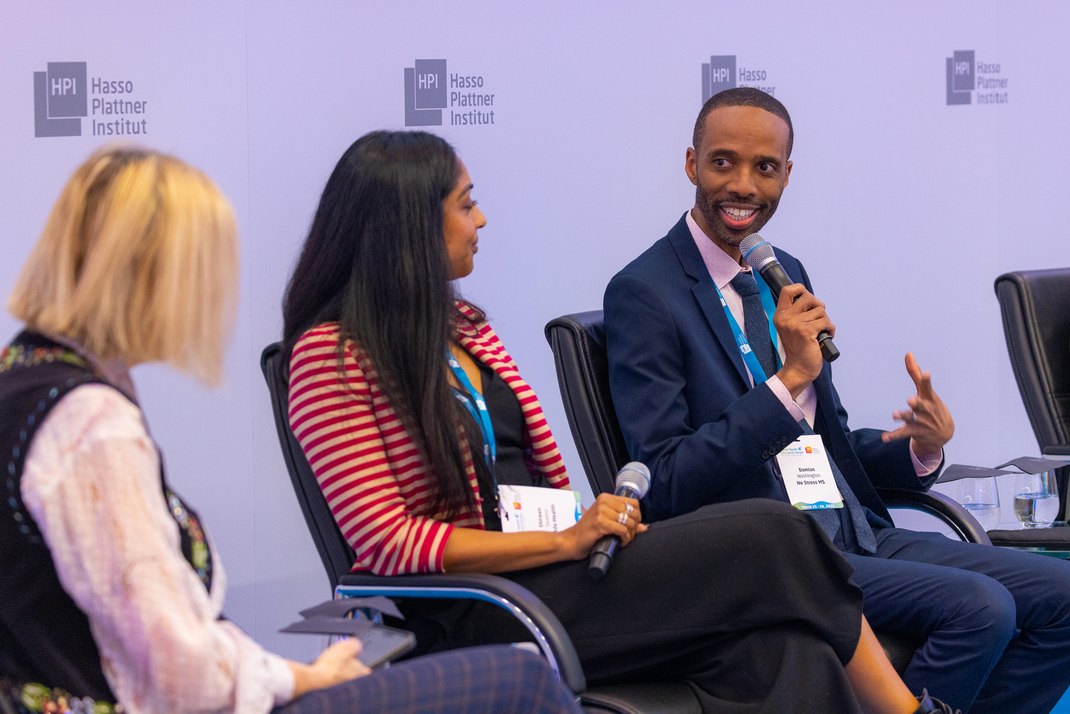
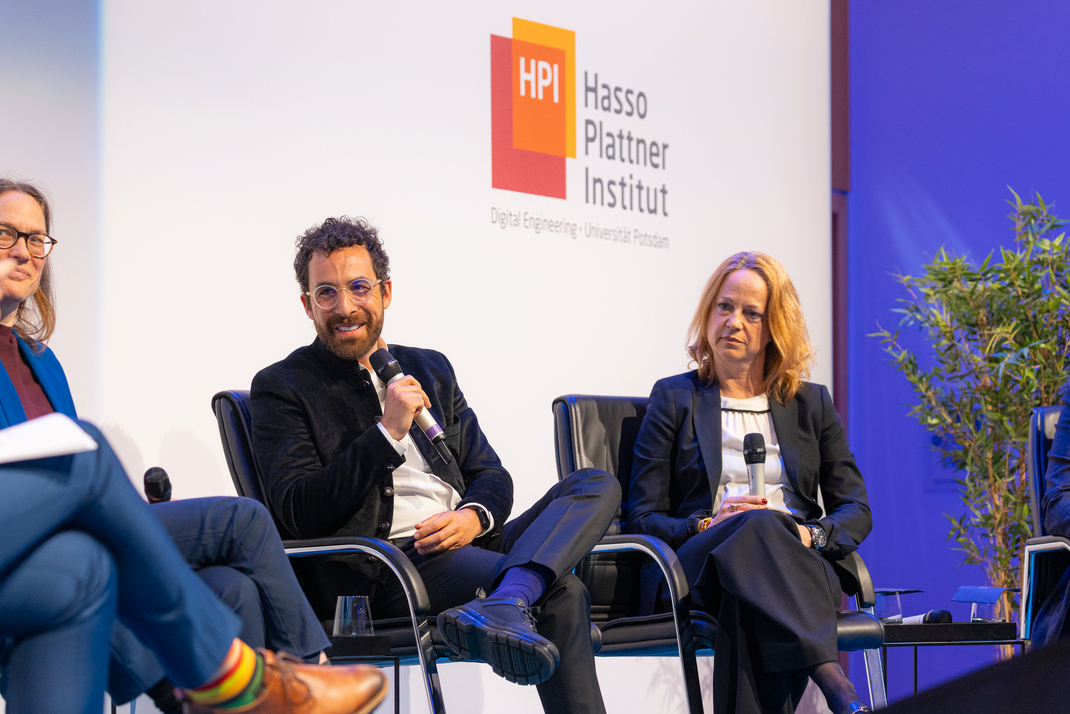
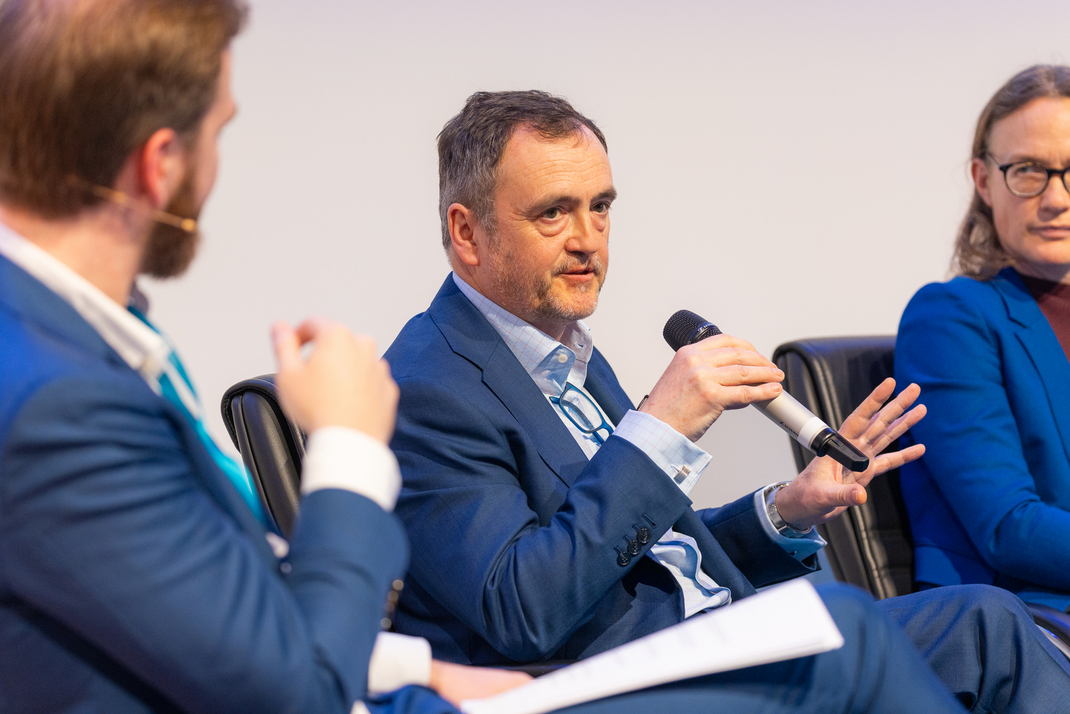
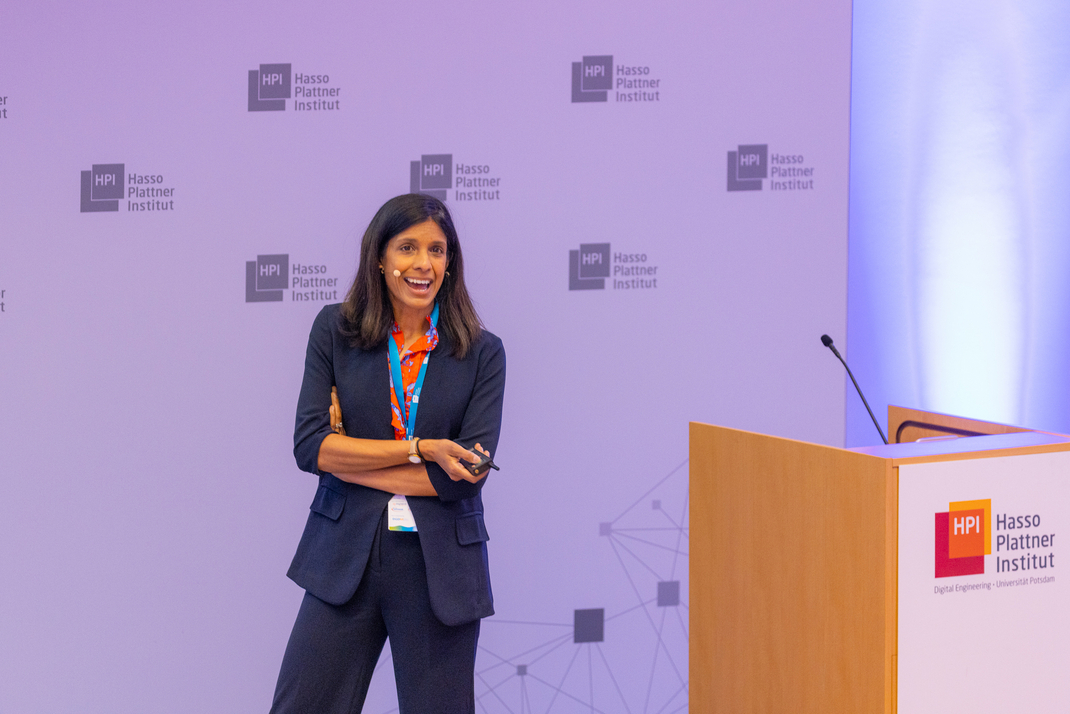
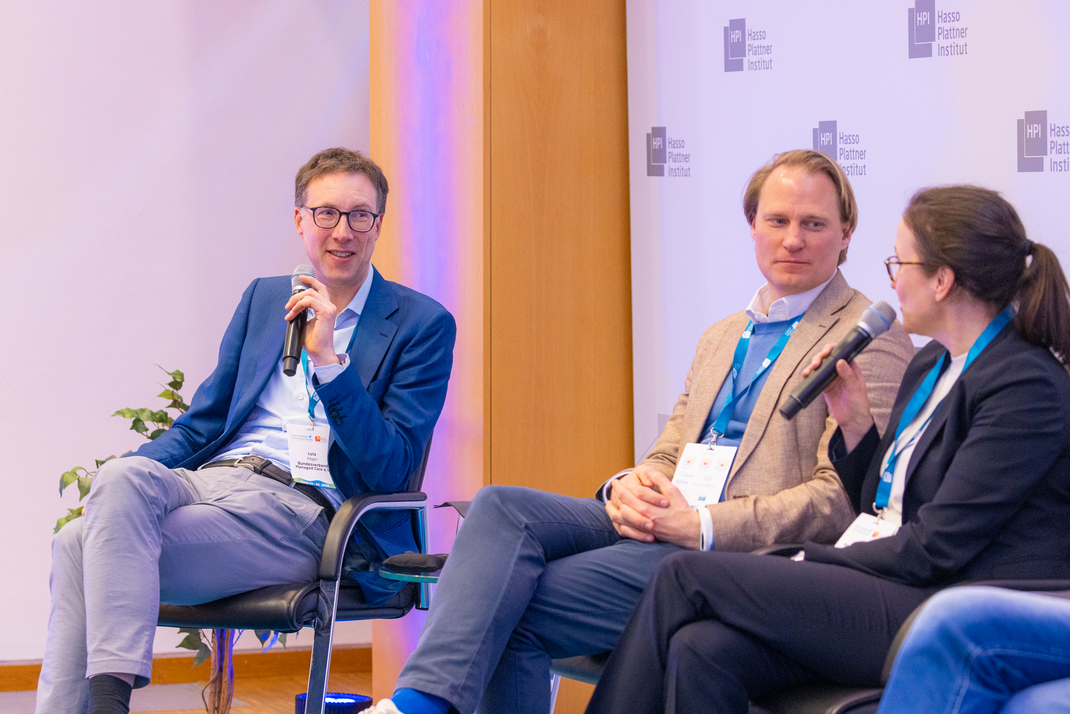
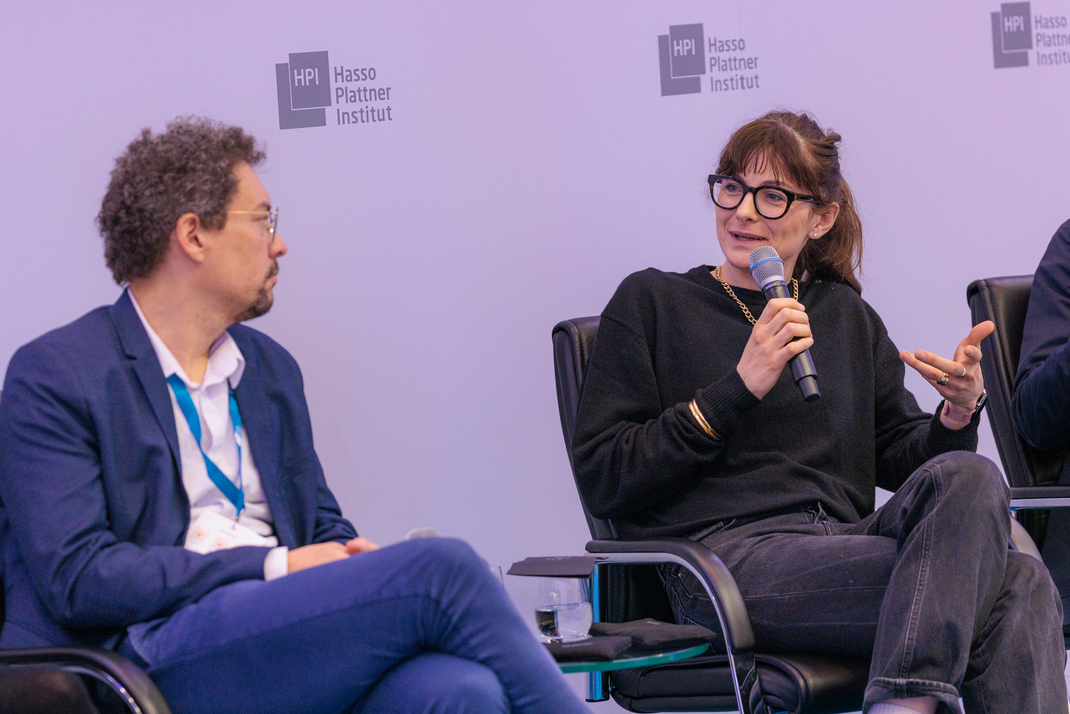
A possible answer came from the town hall How digitally empowered patients are changing care delivery, moderated by Inga Bergen. Guests included Shireen Saxena from Ada Health, an app for AI-powered symptom analysis; HPI Professor Katarina Braune for Digital Health; and patient representatives Damian Washington and Pauline Gieseler.
Empowerment through AI
They all share one thing in common: they are not only digital health experts but also patients themselves, empowered by AI. They shared how AI helped them prepare for and follow up on doctor visits more informed and targeted, accelerate their diagnoses, build their own smart digital health devices, and advocate for themselves.
The central point, however, is not the technology itself, but the need to be heard and taken seriously. Especially younger patients expect individualized, empathetic communication from doctors—the kind of interaction that characterizes chatbots—and want to actively participate in decisions about their treatment and their lives with the condition.
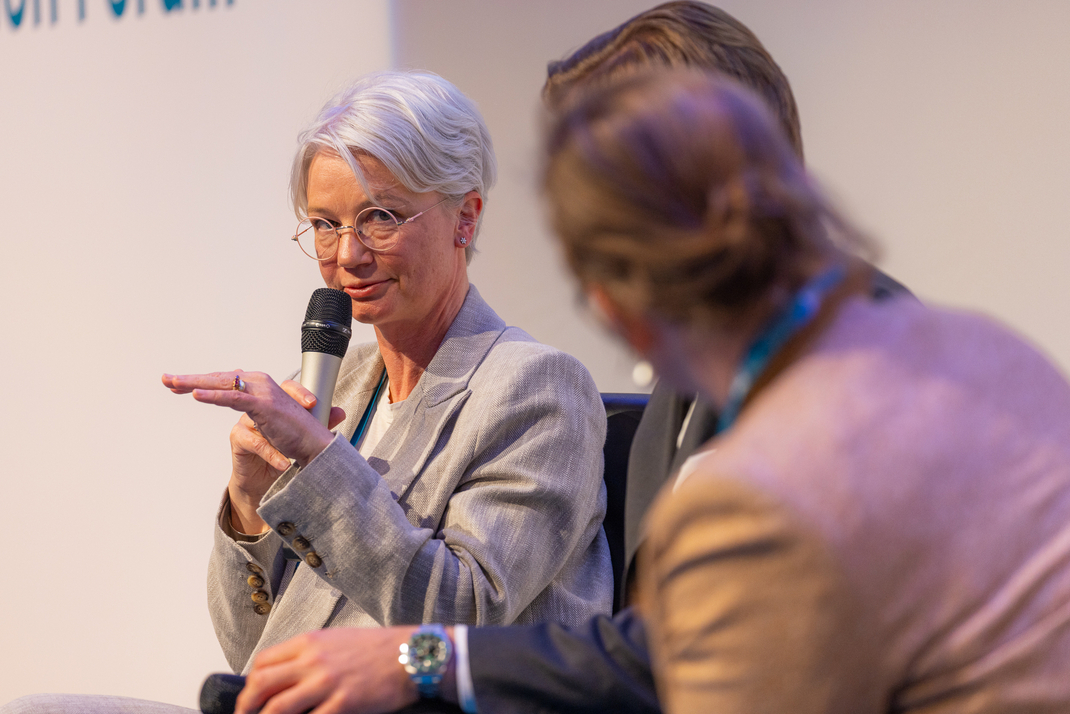
Prof. Katarina Braune therefore addressed all attending founders, urging them to include people with lived experience in their teams when developing digital health products. At the same time, AI must also be improved to make it safer for patients.
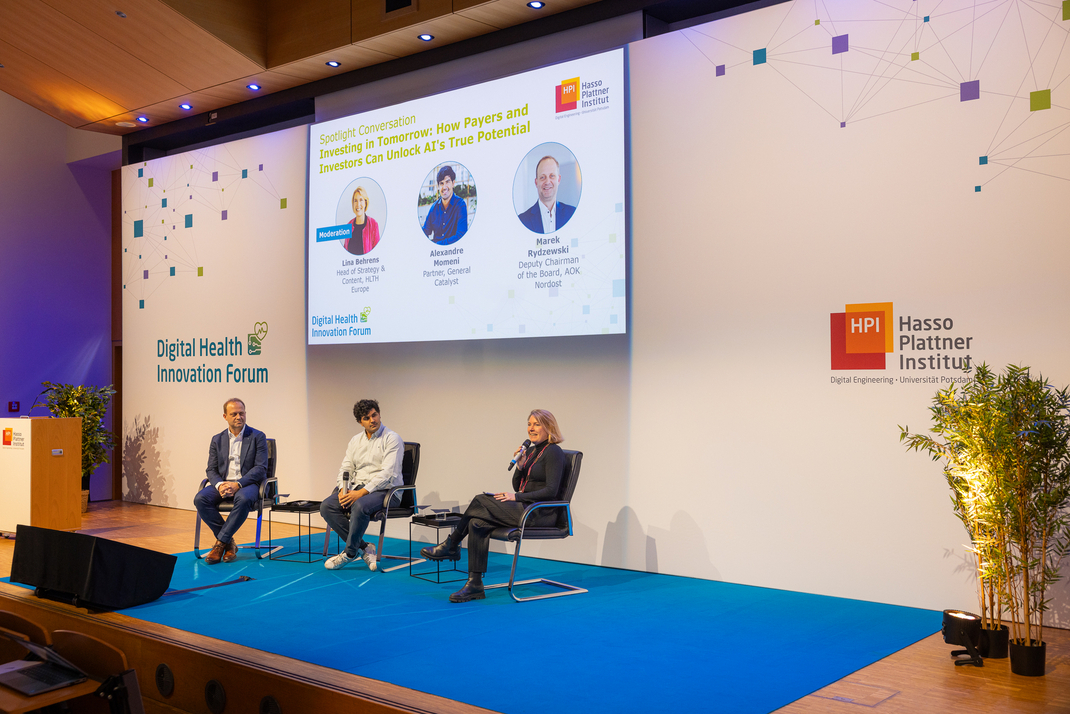
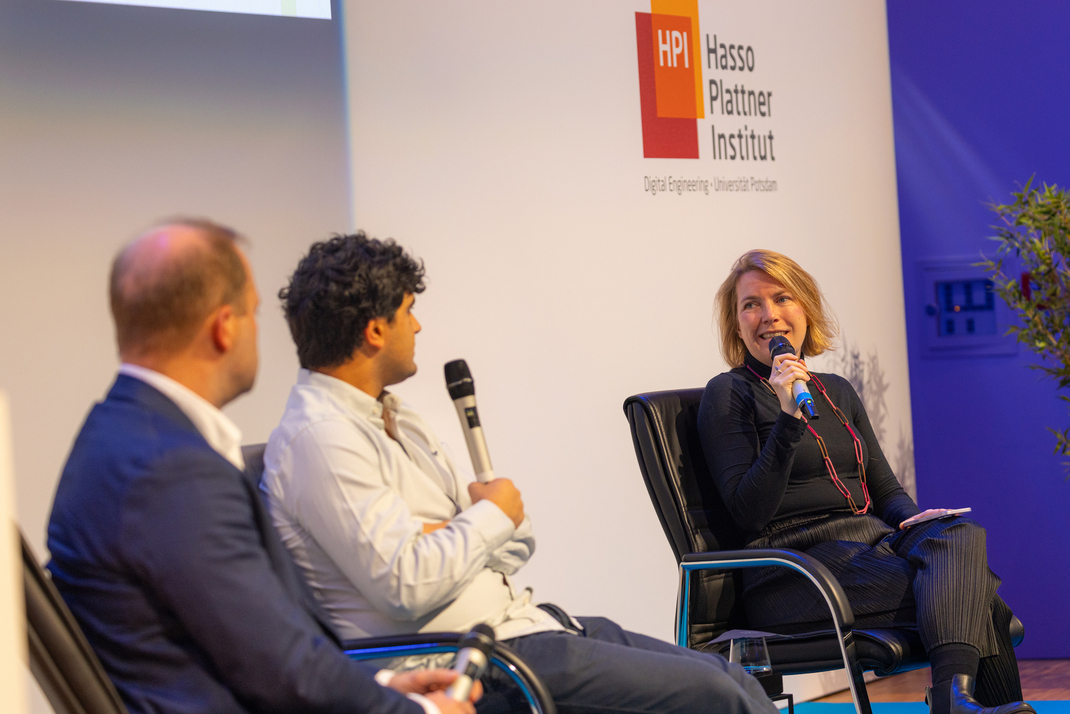
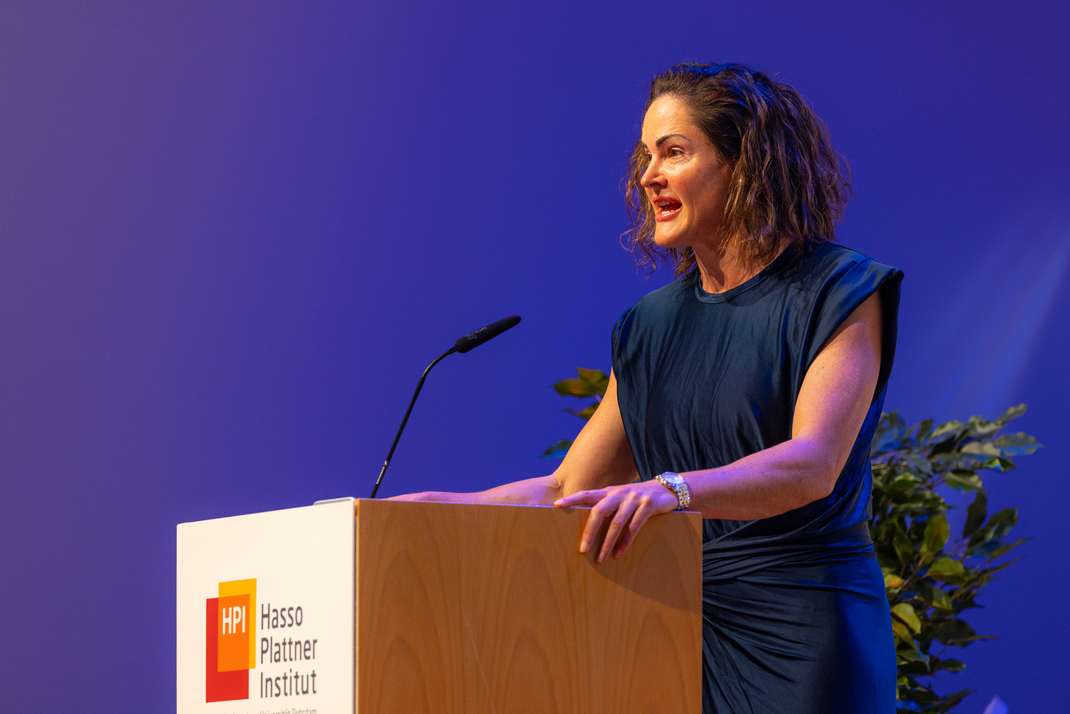
Photo gallery – Day 1 (Photos: HPI/Reinhardt & Sommer)
-
-
 2026
2026 -
 2026
2026 -
 2026
2026 -
 2026
2026 -
 2026
2026 -
 2026
2026 -
 2026
2026 -
 2026
2026 -
 2026
2026 -
 2026
2026 -
 2026
2026 -
 2026
2026 -
 2026
2026 -
 2026
2026 -
 2026
2026 -
 2026
2026 -
 2026
2026 -
 2026
2026 -
 2026
2026
International perspectives, clear messages
The expert lectures on the afternoon of the first conference day highlighted how diverse the approaches are and how strongly they complement each other.
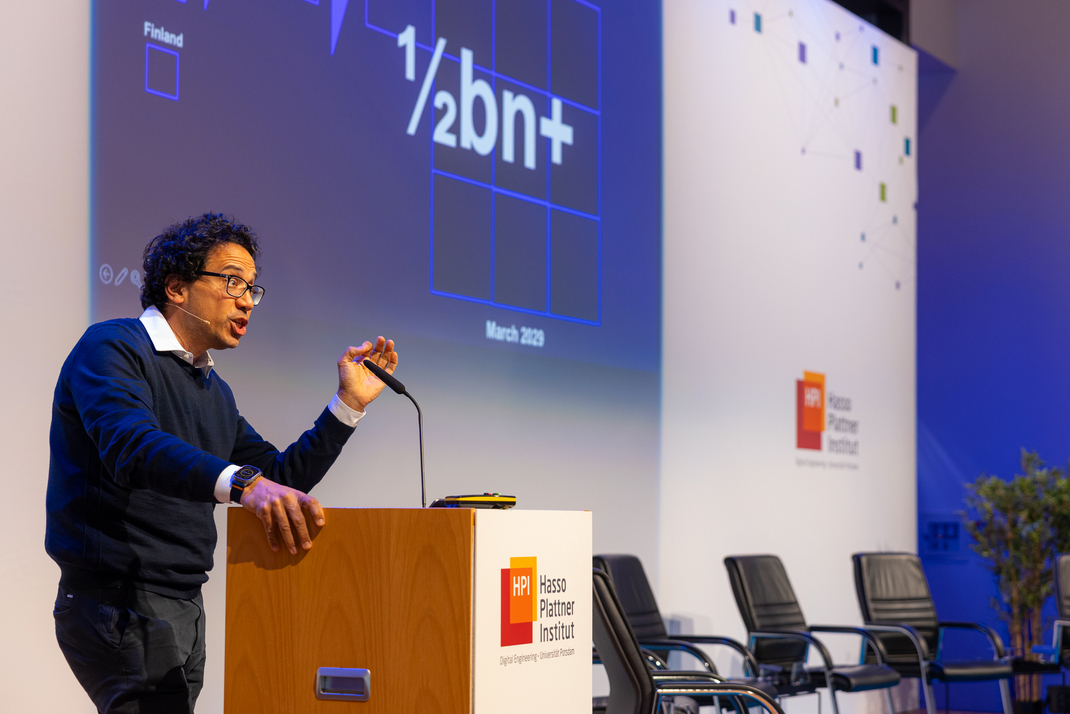
- Prof. Kyle Meyers from Harvard Medical School opened with a powerful statement: “We are all healthier because of innovation.” Since 1800, our health has measurably improved, as supported by statistical data. AI is dramatically accelerating idea generation in research but more ideas don’t automatically mean better ideas. Now is the time to experiment intentionally, to learn, and to rethink our "research factory floors."
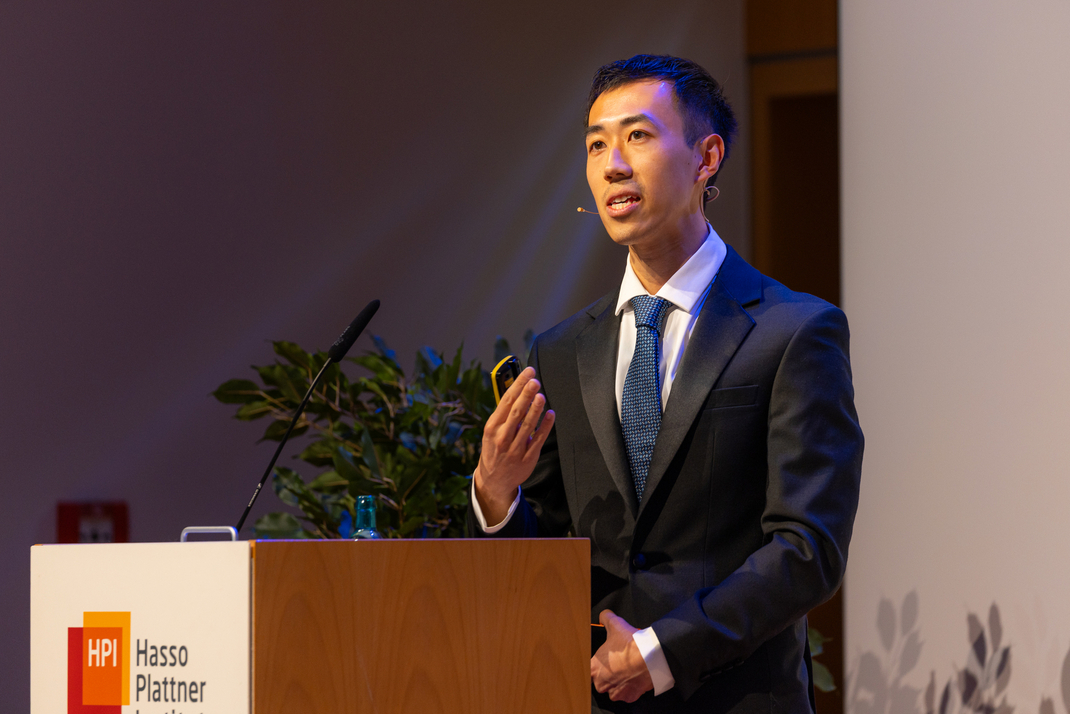
- Carmel Shachar from Harvard Law School shifted the focus to the regulatory perspective. Between unregulated and overregulated areas lies a key question: How can we build a healthcare system in which AI is used responsibly while simultaneously expanding access to care?
- Imperial College professor Aldo Faisal framed the current state of digital health through a compelling analogy: compared to the evolution of computer games, we are still relatively early in the journey. What will move us forward: better use of health data, systematic data collection instead of fragmented approaches, and concrete solutions to real-world challenges such as waiting times in healthcare.
Challenge-D
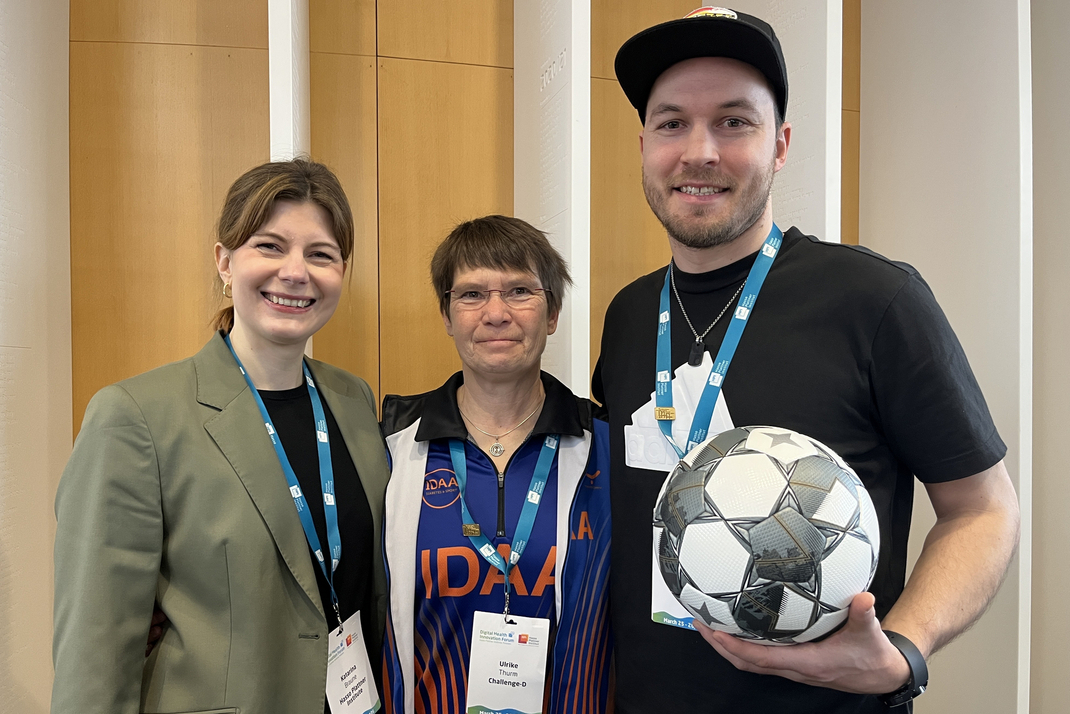
"I felt alone, just very lonely." This is how Felix Petermann, a former professional athlete who has lived with type 1 diabetes since his youth, describes the period after his diagnosis. This is exactly where Challenge-D comes in. A research project at the Hasso Plattner Institute, scientifically supervised by Prof. Dr. Katarina Braune. Its focus is on a frequently overlooked challenge: high-performance sports with type 1 diabetes.
Care is available - but it is not always the right fit. "One size does not fit all," says diabetes educator Ulrike Thurm, who has worked with patients for decades and lives with the condition herself. Anyone competing at a high level in sports has to think ahead, plan, and adapt constantly. Digital technologies open up new possibilities here: data can be analyzed in real time, and therapies can be adjusted at short notice. This combination of medical knowledge, individualized care, and technological support lies at the heart of Challenge D.
The goal is clear: to improve the quality of life and performance of athletes with type 1 diabetes so that their condition does not hold them back in sport.
Health data: Germany in focus
This year brought a new development to the previously internationally focused conference. In 2026, panels addressing Germany-specific topics were included for the first time, bringing together experts who can help shape future developments. The Federal Ministry of Health (BMG) partnered for the second day of the conference.
The forum discussed the handling of health data in Germany—both what is already possible and what needs to happen next—as well as the evidence for digital health applications and digital therapeutics. Germany plays a leading role worldwide in establishing regulatory and reimbursement frameworks in this area. According to Prof. Stern, Germany can and should set good examples for the next steps.
Inaction as an underestimated risk
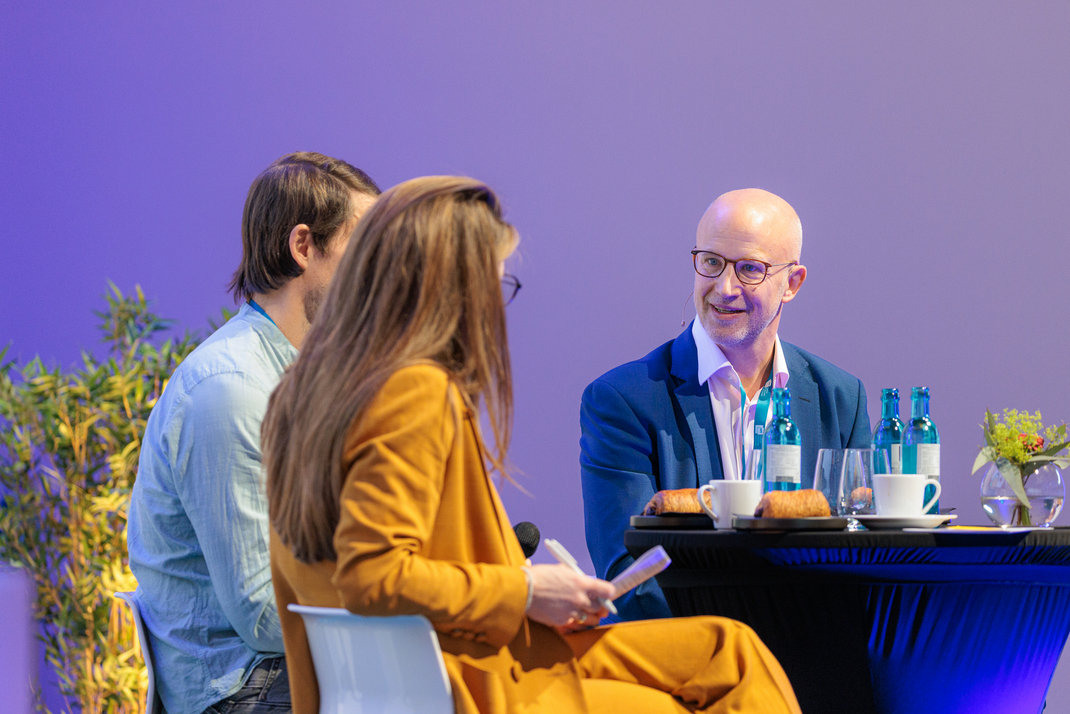
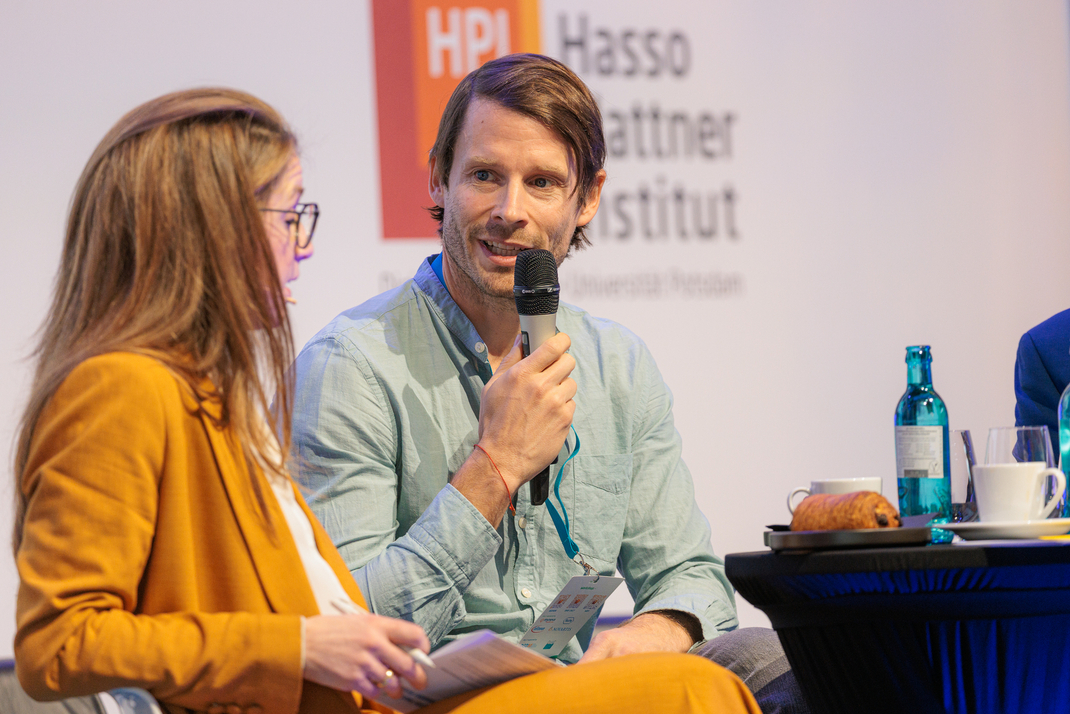
One key takeaway from the Digital Health Breakfast Talk: AI in healthcare is not failing due to a lack of potential, but rather because of implementation. The crucial question is no longer just how innovation is created, but how it can reach care delivery faster, safely, and at the right moment. A particularly compelling insight was that we often overestimate the risks of action while underestimating the risks of inaction. Regulatory sandboxes can be an important lever to better align innovation, patient safety, and real-world implementation.
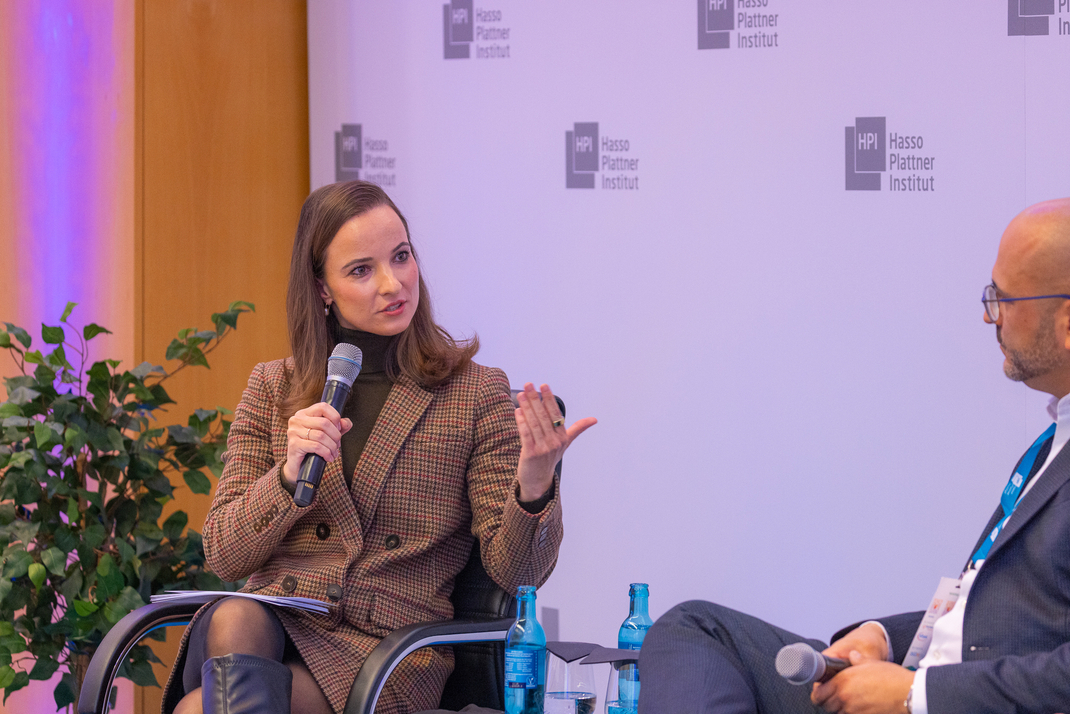
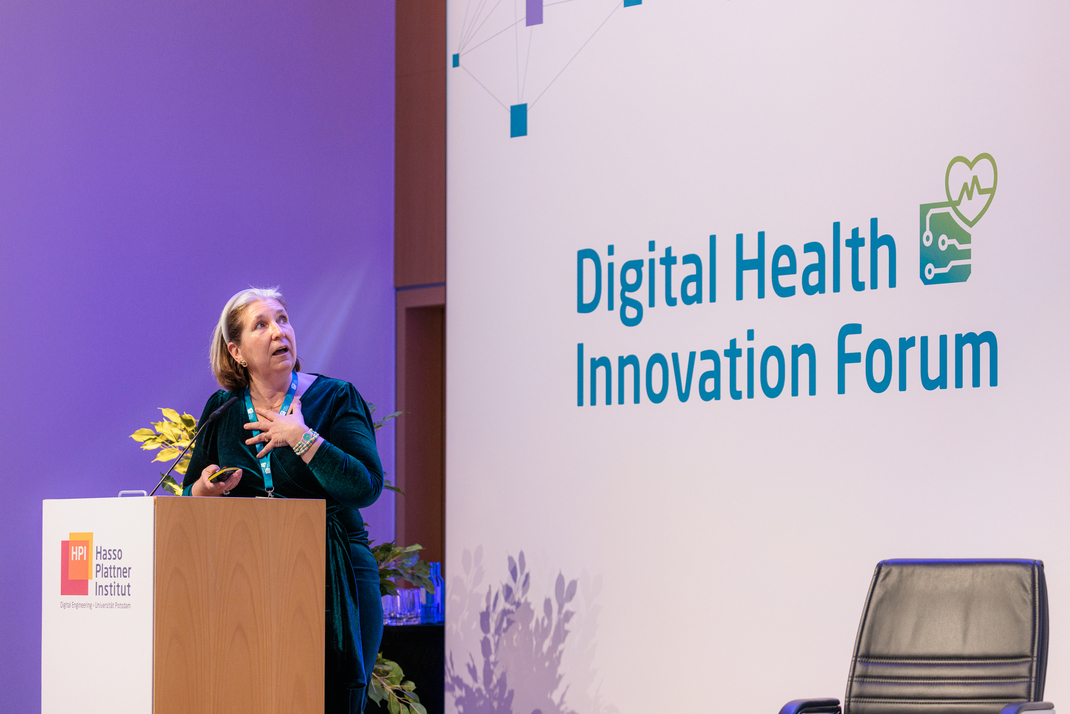
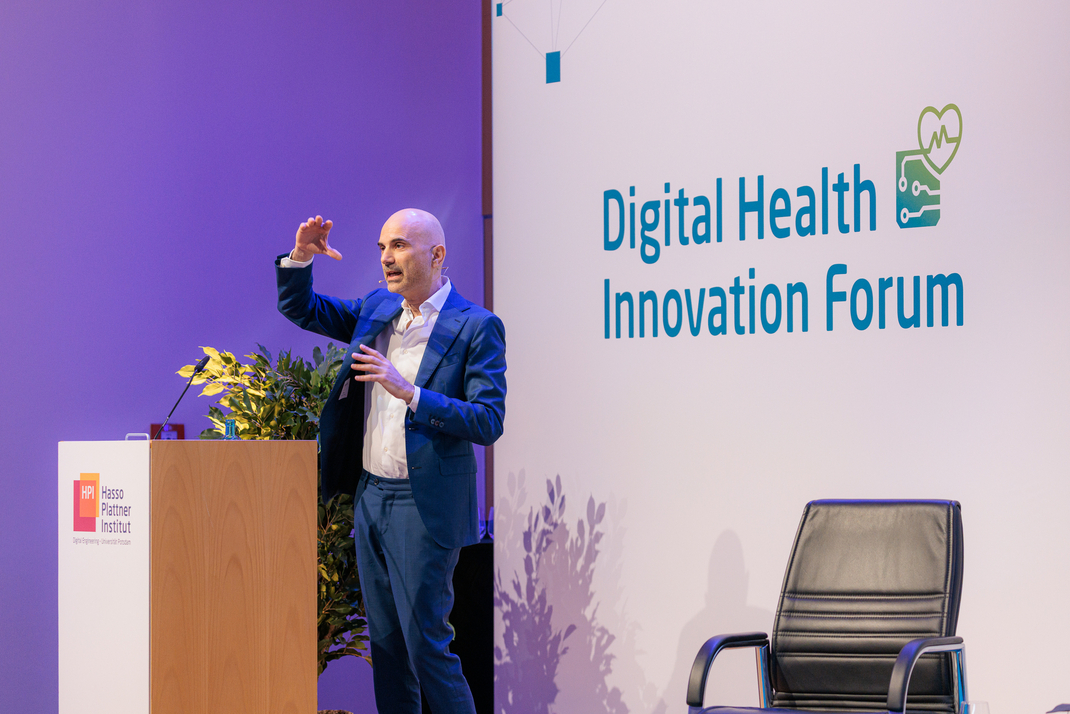
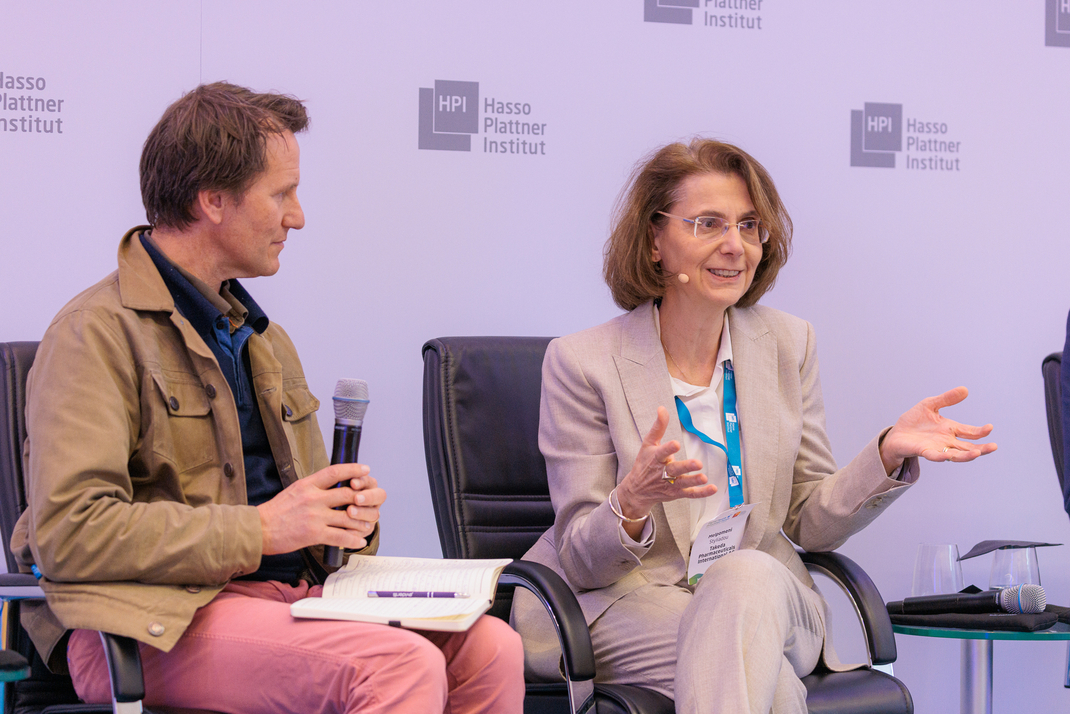
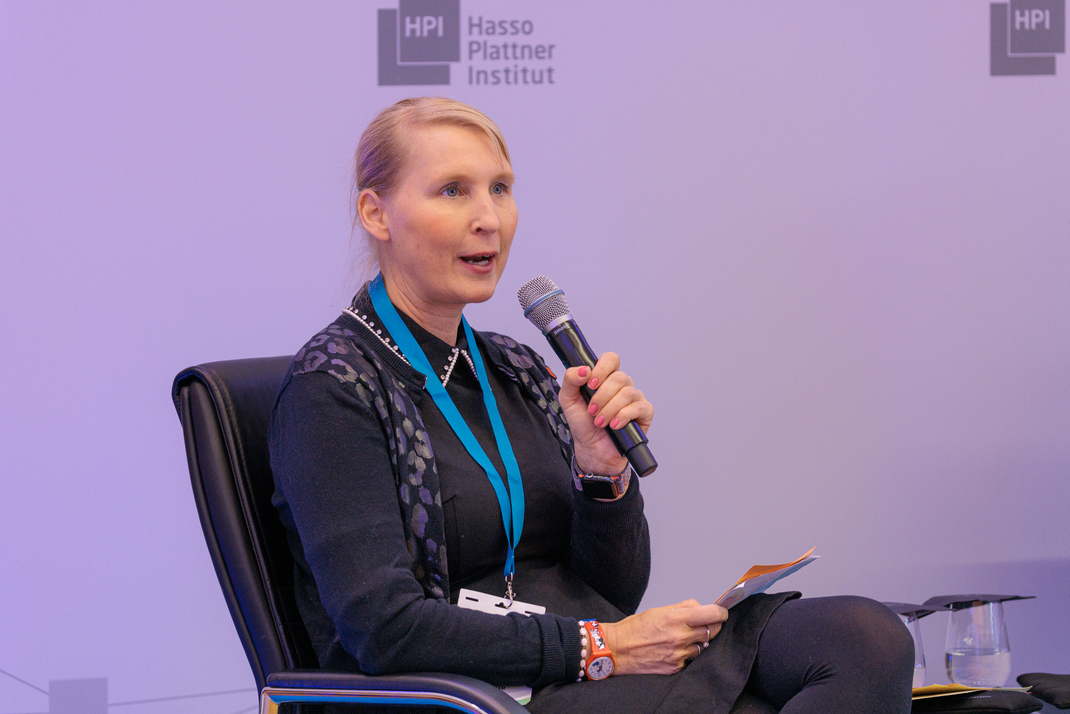
Photo gallery – Day 2 (Photos: HPI/Reinhardt & Sommer)
-
 2026
2026 -
 2026
2026 -
 2026
2026 -
 2026
2026 -
 2026
2026 -
 2026
2026 -
 2026
2026 -
 2026
2026 -
 2026
2026 -
 2026
2026 -
-
-
-
-
"Without secure infrastructure, tools are useless"
Philipp Müller, Head of the Digitalization and Innovation Department at the Federal Ministry of Health, emphasized the importance of a reliable and secure infrastructure for the healthcare sector. Without it, even the best digital health tools would be useless. The ministry’s long-term goal is to establish a fully interconnected health data ecosystem in Germany and beyond, and to promote secure data sharing so that healthcare providers can achieve breakthroughs more quickly than before.
At the center of these efforts remain patients that have greater access to and control over their own health data. Such a framework is intended to enhance not only efficiency but also the overall quality of care.

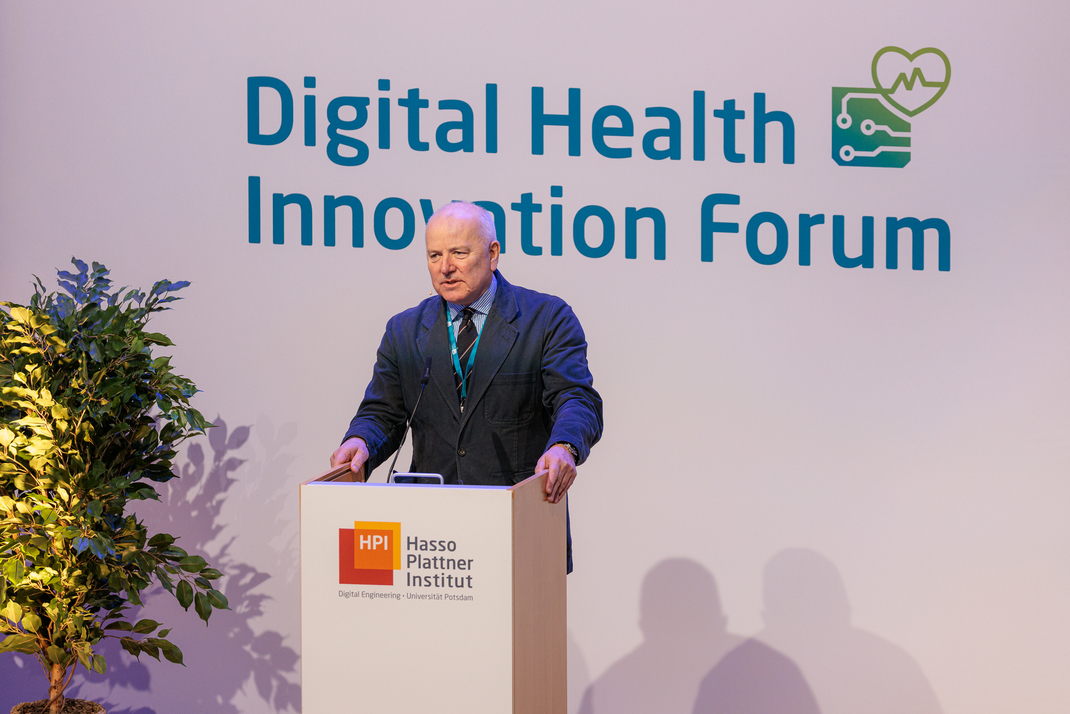
The future of healthcare will not only be digital—it will be collaborative and human-centered. Most importantly, we must approach health with a local, people-centered mindset.
Prof. Lothar H. Wieler, DHIF Host and Head of "Digital Global Public Health" at HPI
Scattered data, untapped potential
Germany has large amounts of valuable health data. However, it is scattered across countless locations—held by physicians, hospitals, universities, and start-ups—without anyone having a comprehensive overview.
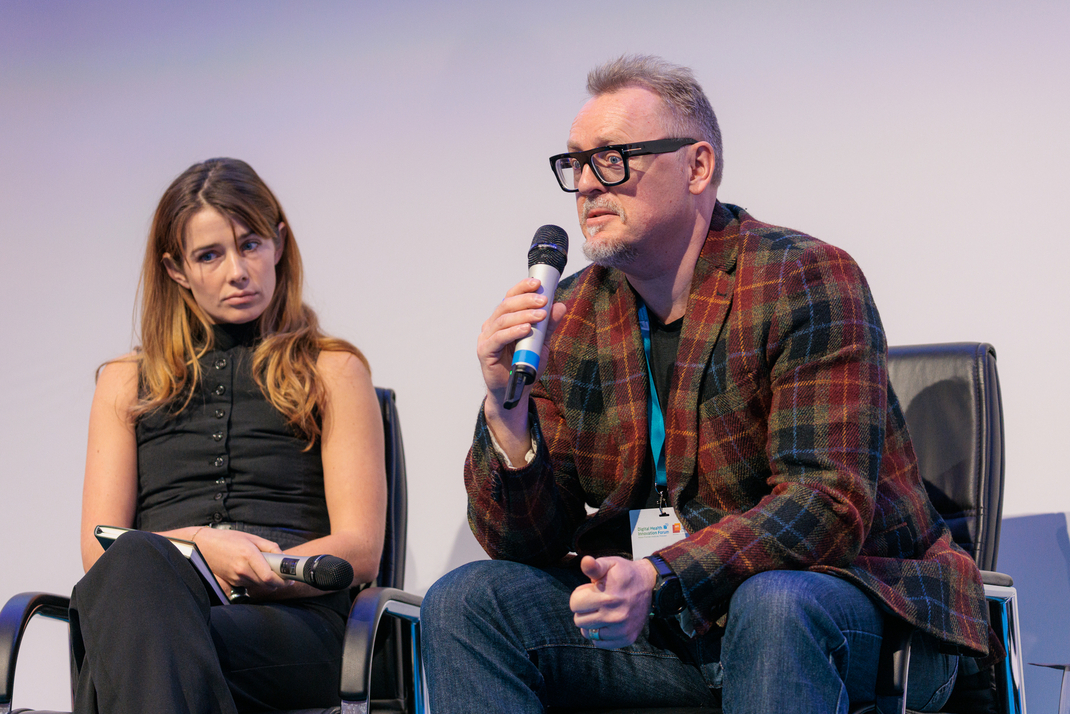
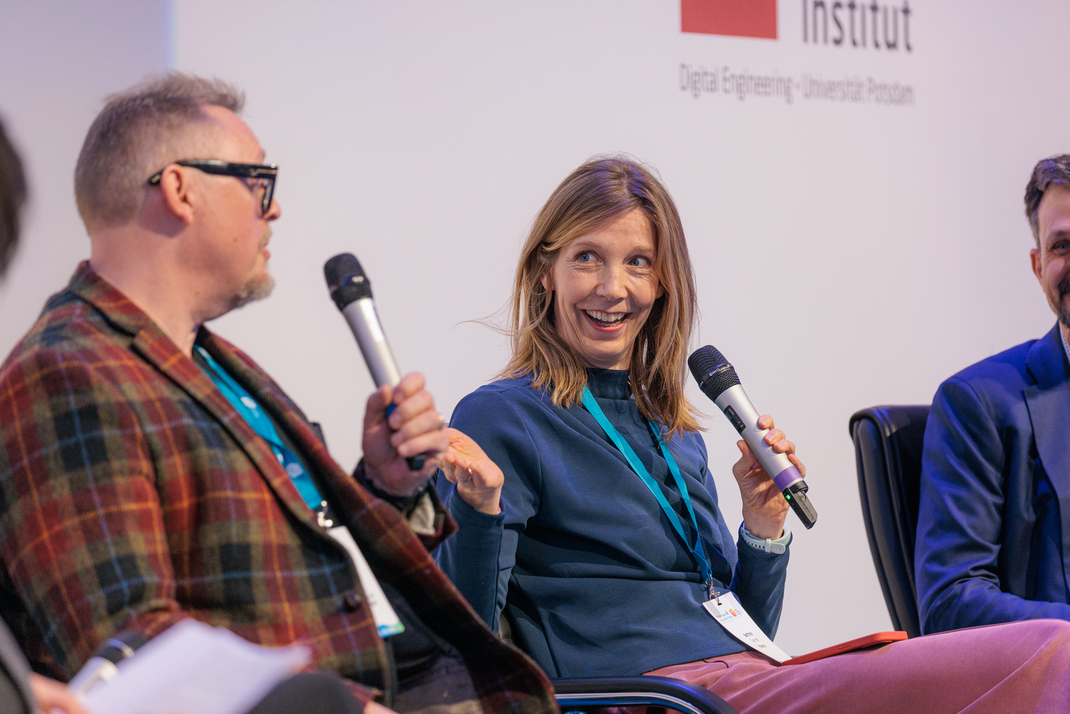
Participants at the town hall "Advancing German Health Data for Innovation and R&D: What Works Today and What Comes Next" agreed that this data potential must be unlocked to make research and development future-proof.
The overall consensus: data protection regulations need to become leaner and more understandable. In addition, communication between those who collect and hold data must be more transparent. Only then can health data be used in a structured and scalable way.
Planned EU legislation brings hope
Participants also expressed strong hope in the planned EU regulation, the European Health Data Space (EHDS). It aims to make health data digital, secure, and usable across Europe. If implemented in a consistent manner and without significant national fragmentation, it could transform today’s data silos into a connected health data ecosystem—one that brings healthcare into the digital age.
More news


Last change: 21/04/2026, Mareike Schreiber