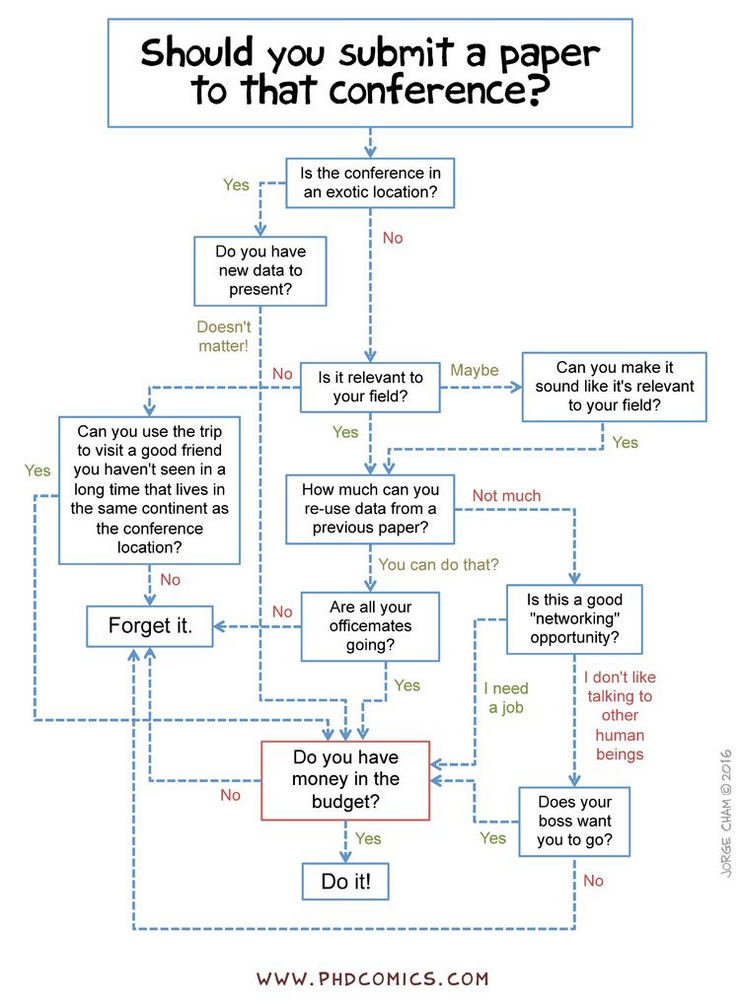
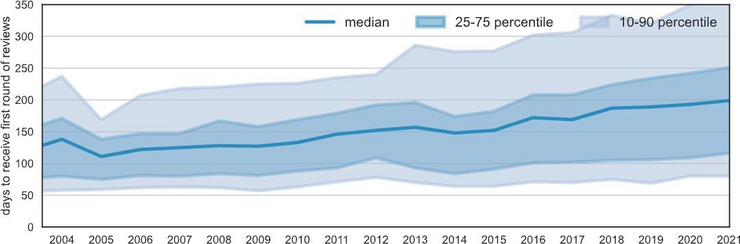
Figure 1: Factors to consider when selecting a venue for paper submission
Conference vs Journal
Generally there are two different ways to publish your scientific work: at a conference or in a journal. Conferences often require a fee, they are live events, they include talks, posters, presentations and go all day. The application process is very fast-paced and there are strict deadlines for everything. To apply you have to submit a (typically short) paper, which is normally subject to a lot of rigid guidelines. This artificial shortening often means that essential parts of your research get added to the appendix, where few people will actually read them.
Journals on the other hand typically don't include fees, and are no live events. This also means there are basically no deadlines and the whole process takes a lot longer. Formally, you have a lot more freedom when writing your paper. They tend to be a lot longer, better written and are a lot more accessible (may include examples and further explanations).
Journals and Conferences don't have to be mutually exclusive. You can submit your paper to a journal after attending a conference with it. This means there are commonly multiple versions of a paper: a short version for a conference and a long version for a journal.
Conferences have a better prestige in the Computer Science area. As it is perceived as a fast-paced field, a fast-paced process seems fitting. More theory-focused fields tend to see journals as more prestigious.
Peer Reviewing
Peer reviewing is the evaluation process of some work by other specialists in this field. Why do we need this? The practical reason is of course that the space at a conference is limited and there needs to be some selection process. The maybe more formal reason is that it functions as a quality stamp. There are two sides to this, on one hand you want to be sure the content of the work is correct. On the other hand you want the work to be adequately written and a good fit for the specific venue. (Later on are some example criteria regarding this)
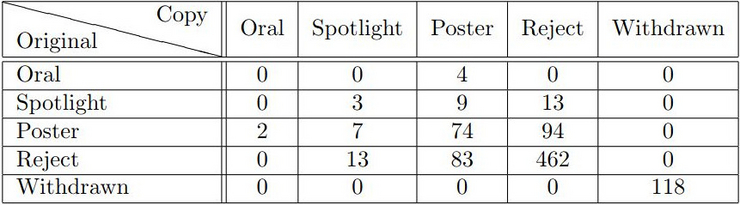
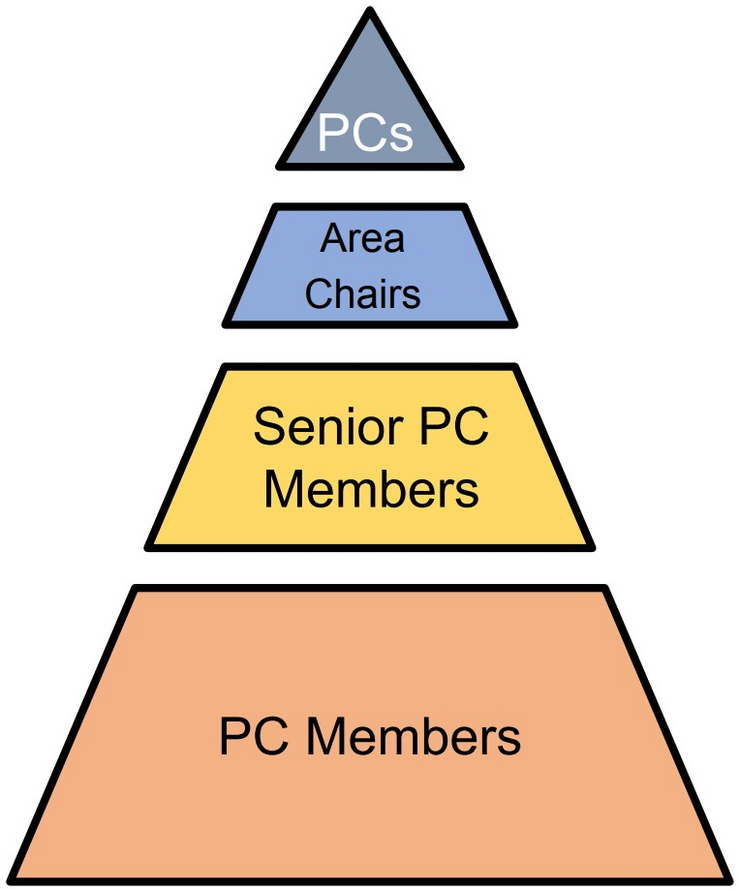
The specific process after submitting depends on the venue, but generally it is as follows. The reviewers for this conference will get papers to review assigned. This may be based on some bidding process, but generally papers get assigned to reviewers who have some expertise in the area of the paper. The reviewers then give feedback and a score. There may be a second round after some initial rejections and revisions. After hearing back for the final decision, you revise your paper based on the feedback regardless of the outcome. If the paper got accepted, you want to do some final revisions. If it got rejected, you may want to apply to some other conference and revise it for that.
Coin Flip Tale
When it comes to submitting a paper, there's always an element of uncertainty—what Prof. Böhmer calls the "coin flip" tale. Even after all the effort put into writing a solid paper, there's still a chance it could be rejected. Think of it like flipping a coin: no matter how well you've crafted your ideas, the outcome isn't always in your control. This randomness is an inherent part of the peer review process, where factors like reviewer preferences, submission volume, and even the physical capacity of the conference or journal venue can influence the decision.
Now, that doesn't mean you're totally powerless. Authors can certainly stack the odds in their favor by carefully selecting the right venue, presenting their work in an engaging way, and clearly articulating the novelty and significance of their contributions. But the fact remains, some of the acceptance or rejection still depends on things you can't predict or control.
This is where the coin flip metaphor really resonates. While you can't guarantee success, you can certainly improve your chances. But even in the most prestigious conferences, rejection is always a possibility. It's just part of the game—and it's worth remembering that the process isn't always about the quality of your work; sometimes it's just about the luck of the draw.
Study about Inconsistencies
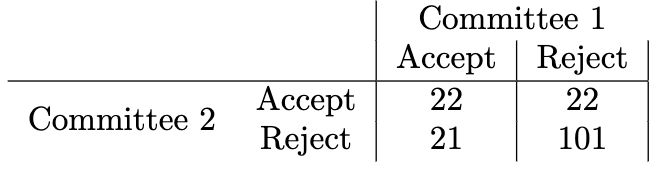
One interesting study Prof. Böhmer mentioned during the talk explored how often decisions about the same paper differ when reviewed by independent committees. The researchers set up two separate review pools for the same paper to see how often the decisions made by each pool aligned or conflicted. The question at hand was: What is the % of the papers that yield inconsistent decisions? [1]
Before diving into the results, it's important to keep in mind that about 70% of papers are typically rejected, with only 30% being accepted at most conferences. This makes the maximum potential for inconsistent decisions roughly bounded by those acceptance rates. The research found that around 25% of decisions were inconsistent, meaning that about one-quarter of papers that were accepted by one committee were rejected by the other.