News

Keeping Humans in the Loop: Co-Creating Design Principles at HPI d-school

Intro

Designing for trust when AI is everywhere

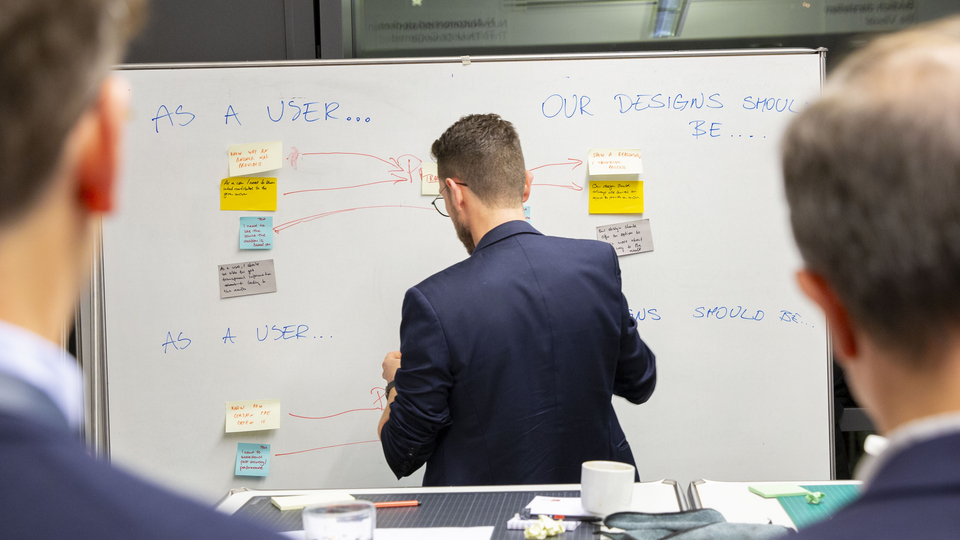
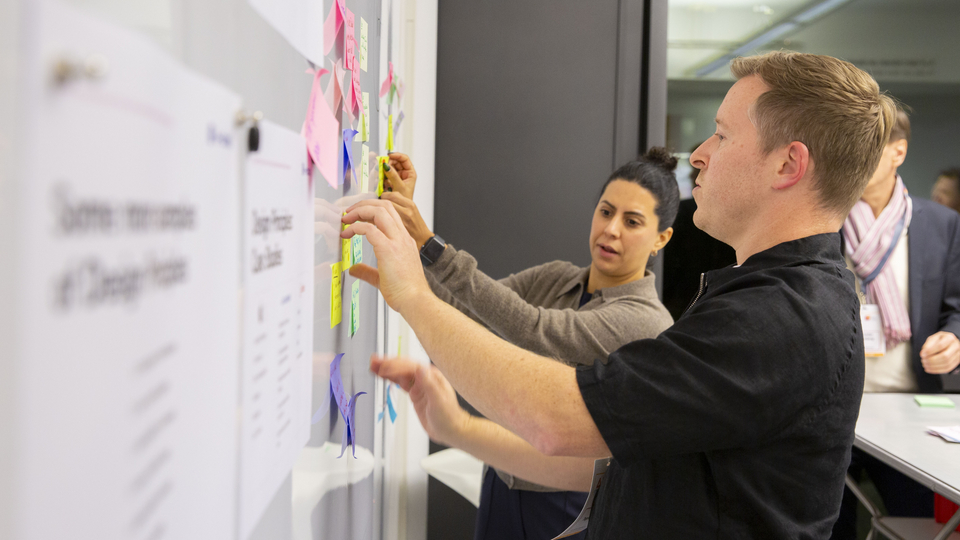
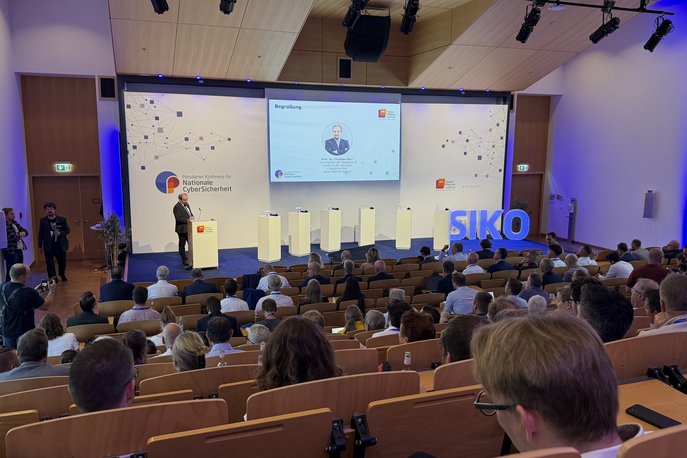
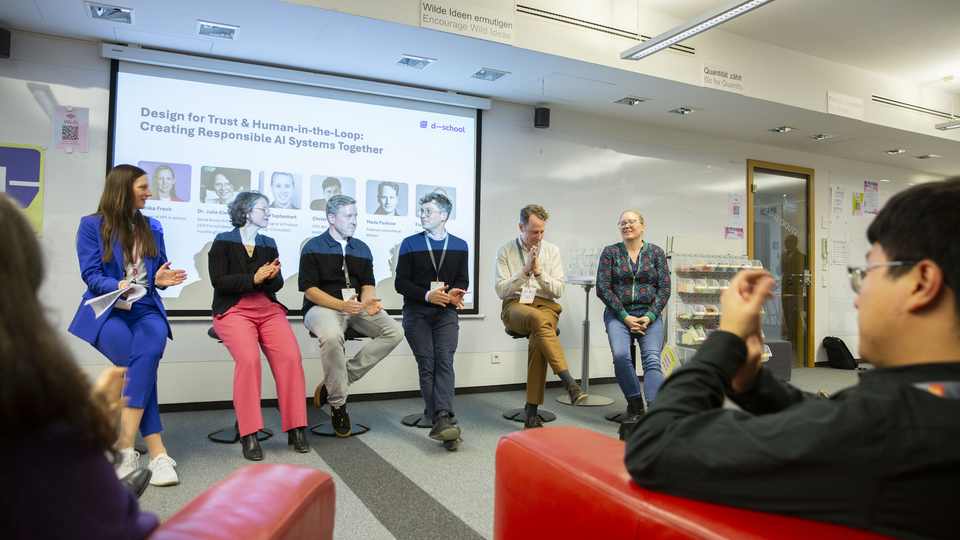
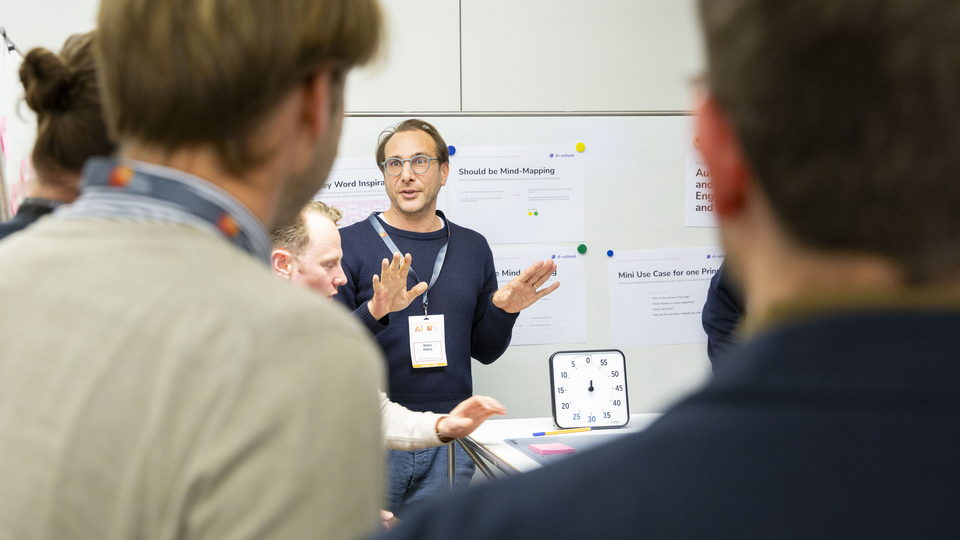
At the AI@HPI Conference 2025, the HPI d-school invited participants to a highly interactive workshop, “Design for Trust & Human-in-the-Loop: Creating Responsible AI Systems Together.” As AI systems become deeply embedded in education, public services and everyday products, the question of how humans keep agency and decision-making power is becoming critical. The workshop brought together experts and practitioners to explore what “human in the loop” really means in practice – and how design can make or break trust in AI.
Why design principles matter for AI

Rather than starting with technology, the workshop focused on design principles as a practical tool. Design principles act as a shared “north star”: they capture what a product should stand for and help teams make tough decisions when many stakeholders and opinions are involved. Participants were encouraged to go beyond classical principles like “simplicity” and explore AI-specific principles such as transparency mechanisms, opt-out and override options, explainability on demand, human feedback loops and ethical design heuristics. These principles make abstract debates about AI governance tangible and actionable in concrete product decisions.

Mini use cases: bringing human-in-the-loop to life

In four domain-focused teams, participants translated their principles into mini use cases:

  • Transformative education: A tutoring system where learners and parents stay “in the loop” when setting learning goals. Principles like transparent ethical principles and inconvenience ensure that AI shows its value compass, challenges learners instead of only pleasing them, and actively fosters real-world collaboration.
  • Safety-critical everyday decisions: An app for identifying poisonous mushrooms highlighted the need for intuition and strong safety defaults. The system should explain options, show confidence levels, and, when in doubt, clearly recommend: “Don’t eat it.”
  • Automation of work and the state: For decisions like housing benefits, participants emphasized trust in the process of iterative improvement: systems should expose risks, collect feedback, and offer an “I don’t think so” button that triggers human review instead of leaving people alone with opaque outcomes.
  • AI in healthcare: In an “AI doctor” scenario, principles around trust and transparency focused on making data sources, probabilities and reasoning steps visible, so that patients, doctors and insurers can understand and challenge recommendations over time. 

Across all groups, one message was clear: responsible AI needs built-in ways for humans to understand, question and reshape decisions – before, within and after the automated process. 

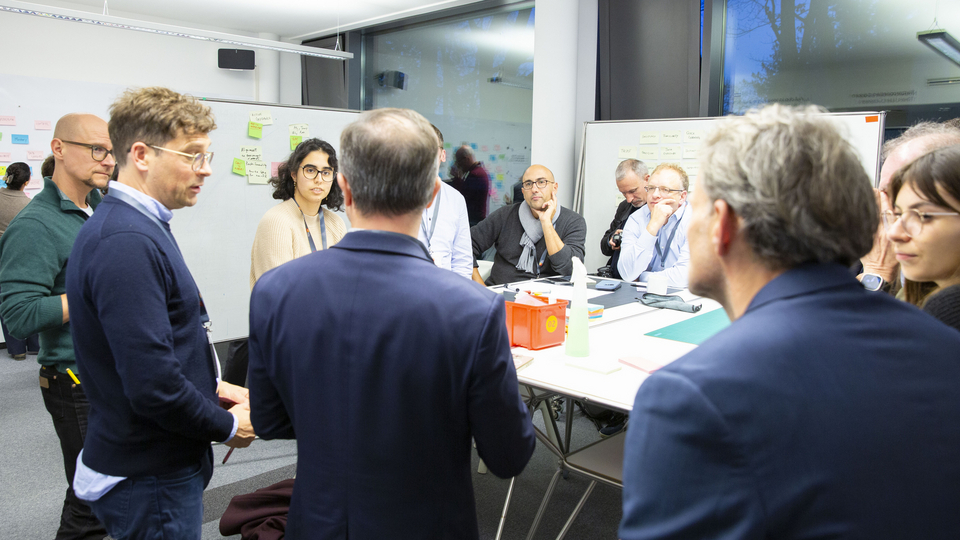
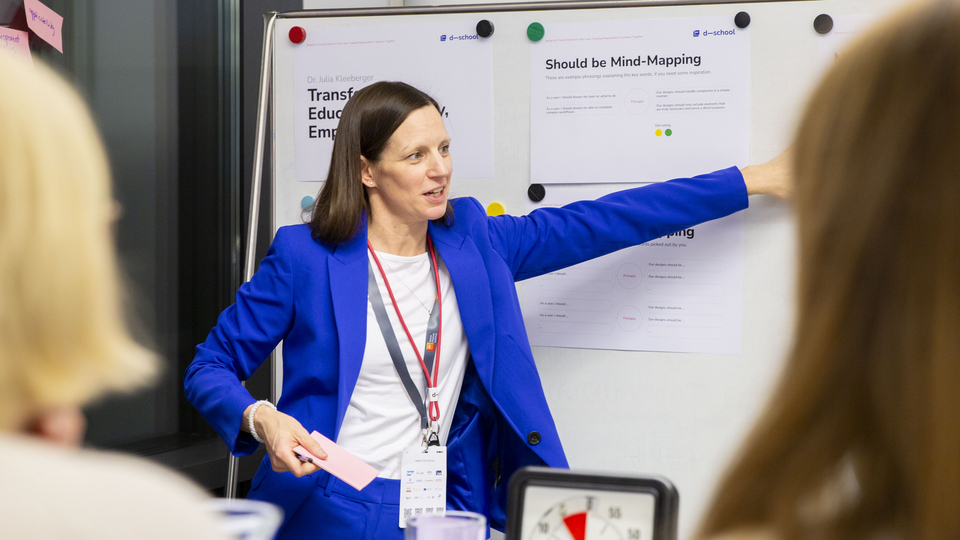
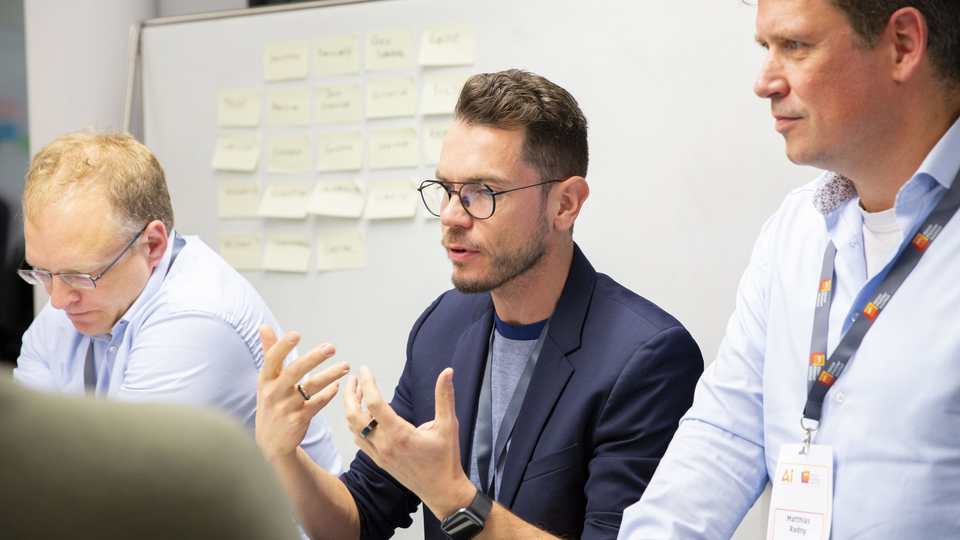
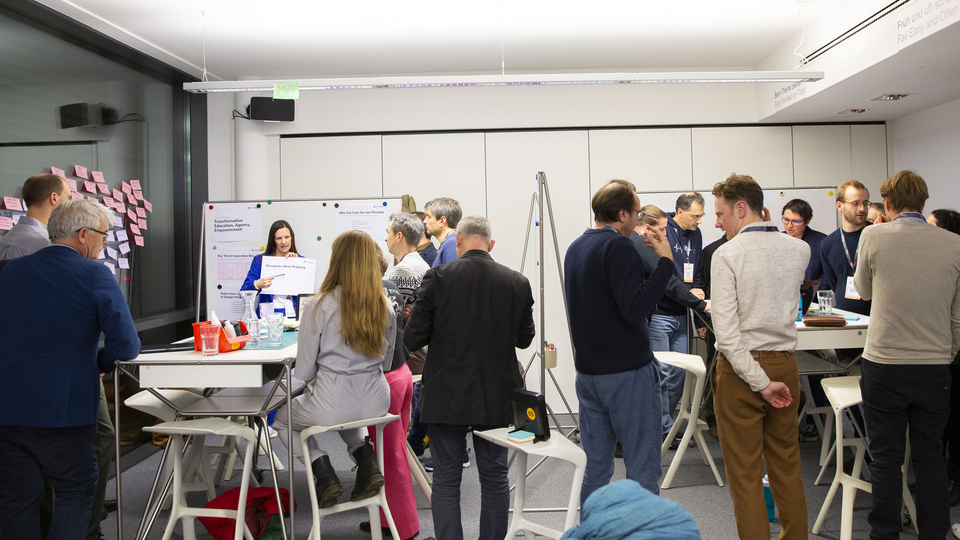
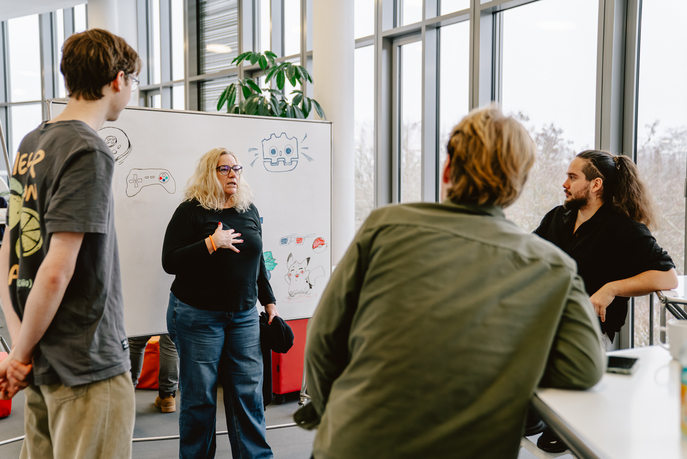
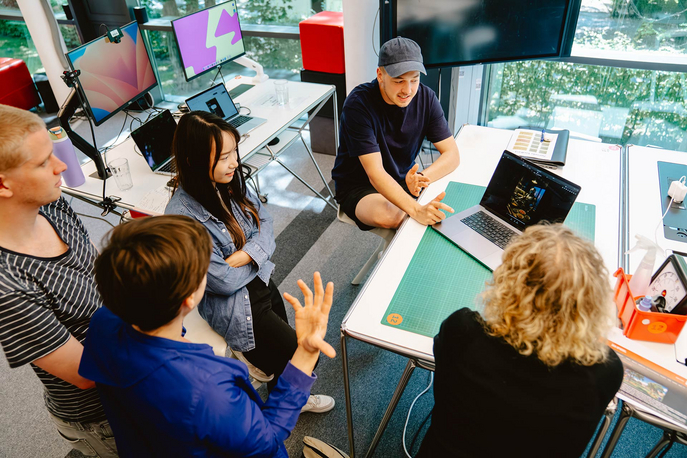
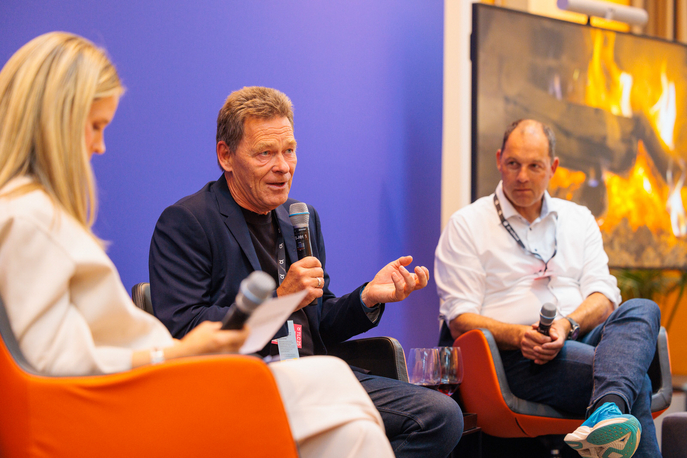
  • Design for Trust & Human-in-the-Loop Workshop at AI@HPI Conference 2025
  • Design for Trust & Human-in-the-Loop Workshop at AI@HPI Conference 2025
  • Design for Trust & Human-in-the-Loop Workshop at AI@HPI Conference 2025
  • Design for Trust & Human-in-the-Loop Workshop at AI@HPI Conference 2025
  • Design for Trust & Human-in-the-Loop Workshop at AI@HPI Conference 2025
  • Design for Trust & Human-in-the-Loop Workshop at AI@HPI Conference 2025
  • Design for Trust & Human-in-the-Loop Workshop at AI@HPI Conference 2025
  • Design for Trust & Human-in-the-Loop Workshop at AI@HPI Conference 2025
  • Design for Trust & Human-in-the-Loop Workshop at AI@HPI Conference 2025

What’s next: a mini-playbook for teams

Based on the workshop results, the HPI d-school has developed a compact Design for Trust & Human-in-the-Loop mini-playbook, which will soon be available for download on this website. It will offer key principles, templates, and exercises for teams who want to keep human agency at the centre of their AI projects. If you would like to be notified when the playbook goes online, please subscribe to our newsletter.

Thanks to our participants, as well as to our moderators, speakers, and facilitators, Flavia Bleuel, Monika Frech, Dr. Julia Kleeberger, Brian Tepfenhart, Mads Pankow, Christian Bleuel, Maria-José Juarez, Lukasz Lata, Robin Mehra.

Further news

  • News
    What future skills do we need, and how can we acquire them? A look at experimentation, a culture of learning from mistakes, and Design Thinking.
    • Academic Programs
    • Professional Development
    • Design Thinking
    • Digital upskilling
  • News
    HPI at Potsdamer Tag der Wissenschaften 2026
    Hands-on experiments, computer science activities, and digital learning offers brought research to life for visitors.
    • Academic Programs
    • Design Thinking
    • Innovation
    • Research
  • News
    Mitarbeiter:innenfoto
    How much decision-making should AI have? Samuel Tschepe explains why conscious agency matters more than chasing the next tool hype.
    • Artificial intelligence
    • Digital upskilling
    • Professional Development

Contact

Do you have any questions? We will be happy to help you.