News

Learning for the future: Hans Koenigsmann on courage and curiosity

Intro

What did guests at the HPI and the HPI d-school say in their discussions with students about the skills needed today and for the future – so-called “future skills”?

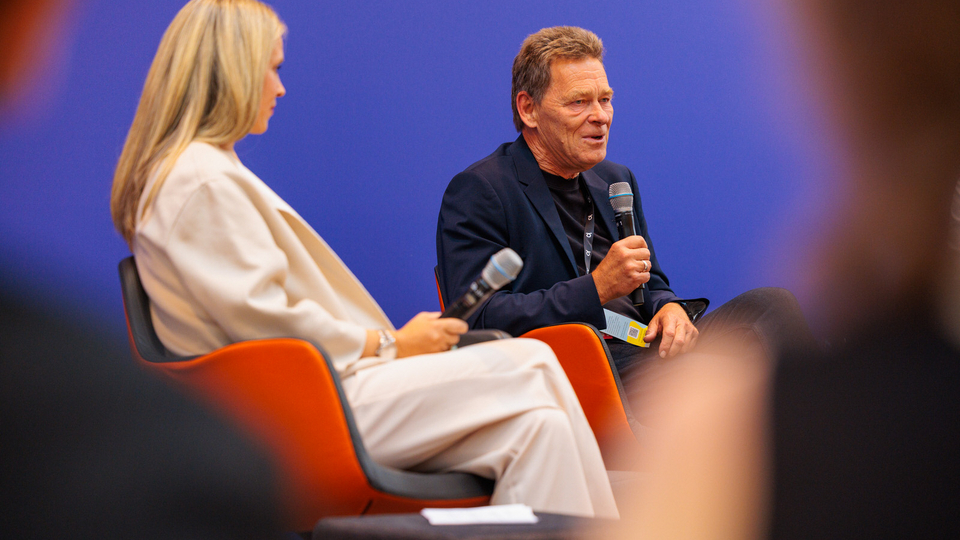
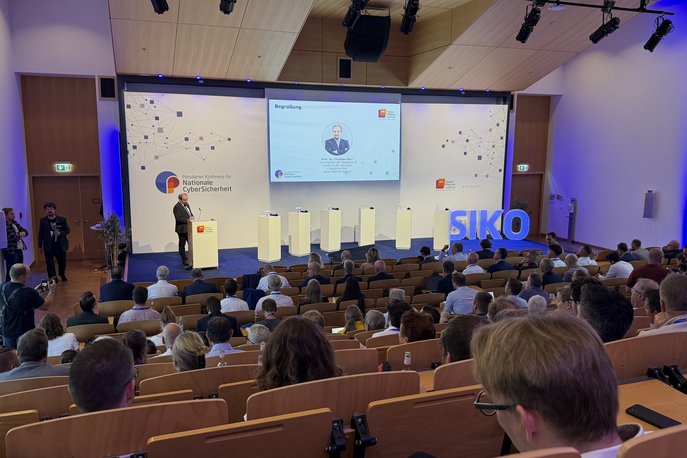
Below, we have compiled excerpts from the fireside chat between Prof. Dr. Ralf Herbricht (Chair for Artificial Intelligence and Sustainability) and Dr. Hans Koenigsmann (former engineer at SpaceX), as well as the subsequent Q&A session with HPI students at the Tech Leadership Conference 2025.

Fireside Chat

In the fireside chat, the Hans Koenigsmann framed future skills not as a fixed checklist, but as a mindset for navigating uncertainty, responsibility and technological change. One key theme was courage: in Germany, he observed, “There’s a certain erosion of risk-taking,” with too much energy spent on preserving what already exists rather than exploring what could be next.

For him, innovation depends on the ability to move quickly, test ideas early and learn from what does not work. Reflecting on his experience at SpaceX, he put it simply: “We didn’t succeed on our first try – we learned by doing.” This capacity for “rapid iteration, learning from failure, and moving quickly” is, in his view, not only relevant for companies, but also for universities.

He also urged higher education to connect research more directly to the world’s urgent needs. Universities, he argued, should focus on “fixing real-world problems, not just theoretical ones” and orient learning around societal challenges. At the same time, students should not lose sight of curiosity and personal drive: “pursue what you’re genuinely interested in, even if it seems niche or obscure.”

Finally, future skills are not only technical. In a fast-changing world, leadership requires communication, fairness and presence. As he concluded, it is about “being human and present.”
 

In a nutshell

Looking ahead, we need the ability to take more risks and a mindset that embraces trial and error and learning by doing. And finally, we need the ability to address societal challenges and solve real-world problems. A key foundation for this is personal passion and leadership skills that foster communication, fairness, and a strong presence when interacting with others.

  • Hans Koenigsmann on Future Skills
    2025
  • Q&A-Session on Future Skills and Innovation
    2025
  • Q&A-Session on Future Skills and Innovation
    2025
  • Q&A-Session on Future Skills and Innovation
    2025
  • Q&A-Session on Future Skills and Innovation
    2025

Q&A-Session about future skills

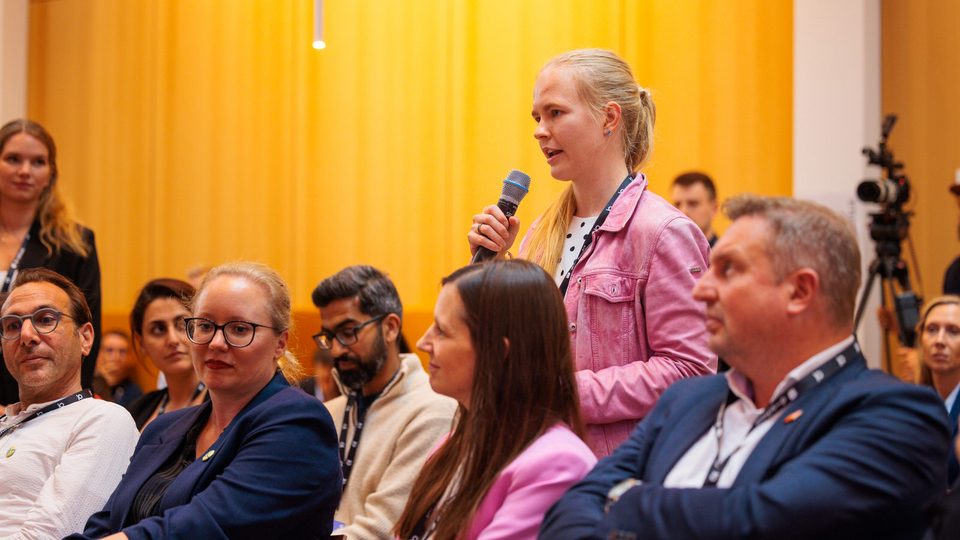
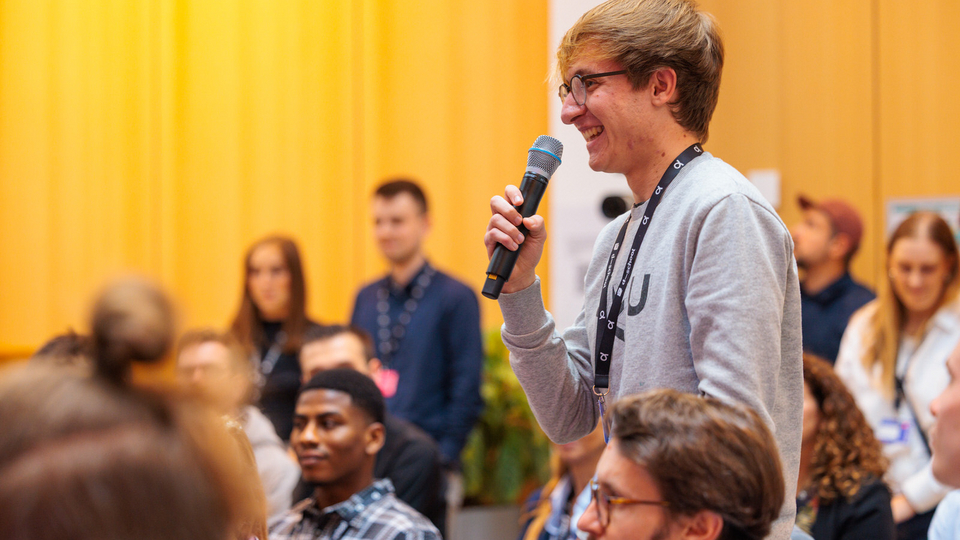
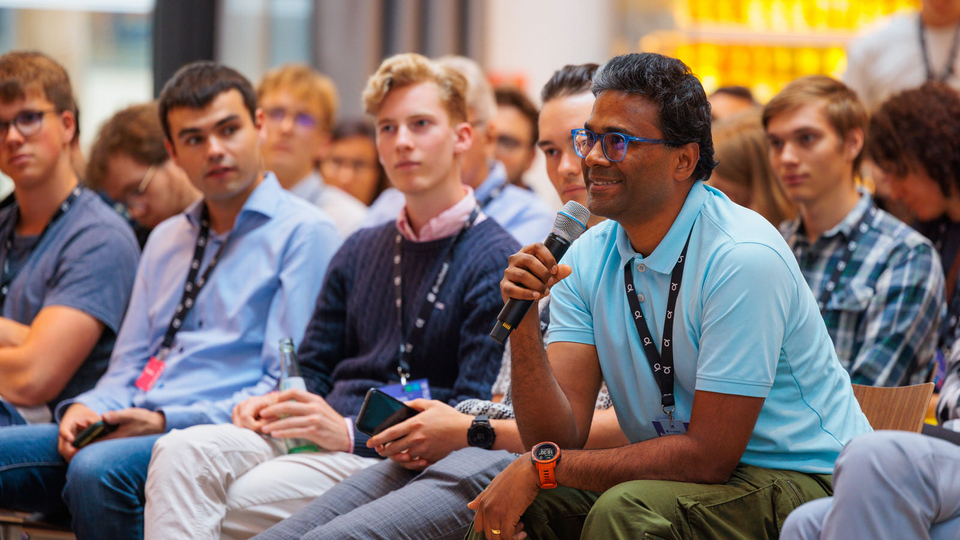
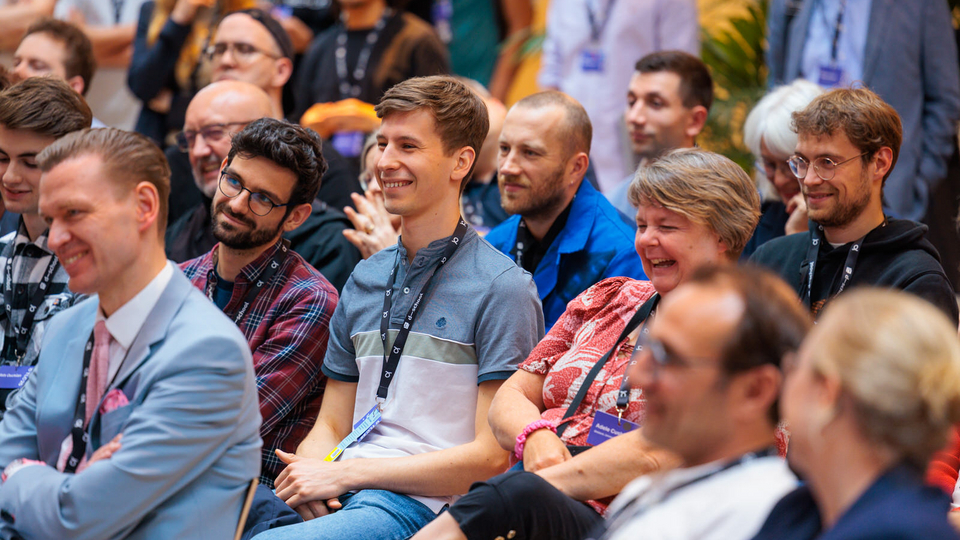
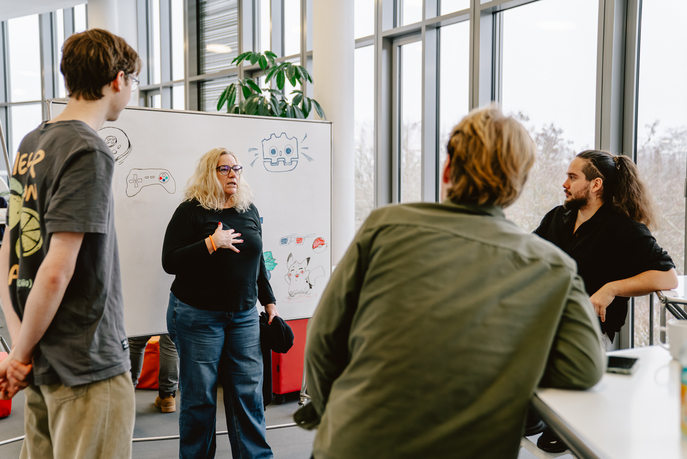
In the subsequent discussion with HPI students, it became clear which future-oriented skills are of particular interest to the next generation:

Student: Many processes outside of tech feel rigid – as if “this is just how it’s done.” Some of us want to use our skills to rethink and reinvent these systems. Do you have any advice for driving this kind of transformation?

Hans Koenigsmann: Many people think the SpaceX approach was all about “failing fast,” but that’s a misconception. What really drove us was a first-principles mindset – questioning assumptions and asking: “Why is it done this way? Can we approach it differently?”

Persistence is critical. Even with talent and good ideas, you need tenacity to navigate setbacks and skepticism. You also need curiosity to keep exploring alternatives until you find a better way. So my advice is: don’t be discouraged if you’re not yet an “expert.” Stay curious, persistent, and committed to improving what’s around you.

Student: How can we make sure we don’t miss the next big breakthroughs and support transformative ideas early?

Hans Koenigsmann: First, we need to develop discipline around how we combine data, computation, and decision-making. That means really understanding the technologies we use before rushing to regulate or deploy them at scale.
Second, we need to normalize failure as part of the path to success – especially in innovation. Failure isn’t inherently bad; it’s often necessary for learning. And third, we should foster ecosystems that allow smaller companies and teams to experiment and learn.

Student: What would you tell a young person today who is considering becoming a computer scientist or engineer?

Hans Koenigsmann: I’d still encourage them to pursue it – but I’d emphasize learning how to think. Computer science teaches problem-solving, systems thinking, and structured reasoning, all of which are valuable regardless of the specific programming languages or tools people will use. The key is developing the mindset to break down complex systems and understand their inner workings. Those skills remain timeless.
 

Learning future skills

If you want to learn how to use trial and error, critical thinking, and people-centered leadership to solve real-world problems, you’ll find the right programs at the HPI d-school – whether you’re a student in our Academic Programs or a professional in our HPI d-school Professional Development offerings.

The Fireside Chat is also available in its entirety as an HPI Neuland podcast.

Further news

  • News
    What future skills do we need, and how can we acquire them? A look at experimentation, a culture of learning from mistakes, and Design Thinking.
    • Academic Programs
    • Professional Development
    • Design Thinking
    • Digital upskilling
  • News
    HPI at Potsdamer Tag der Wissenschaften 2026
    Hands-on experiments, computer science activities, and digital learning offers brought research to life for visitors.
    • Academic Programs
    • Design Thinking
    • Innovation
    • Research
  • News
    Mitarbeiter:innenfoto
    How much decision-making should AI have? Samuel Tschepe explains why conscious agency matters more than chasing the next tool hype.
    • Artificial intelligence
    • Digital upskilling
    • Professional Development

Contact

Do you have any questions? We will be happy to help you.