News

Design Thinking for the city of tomorrow: ideas for greater acceptance

Intro

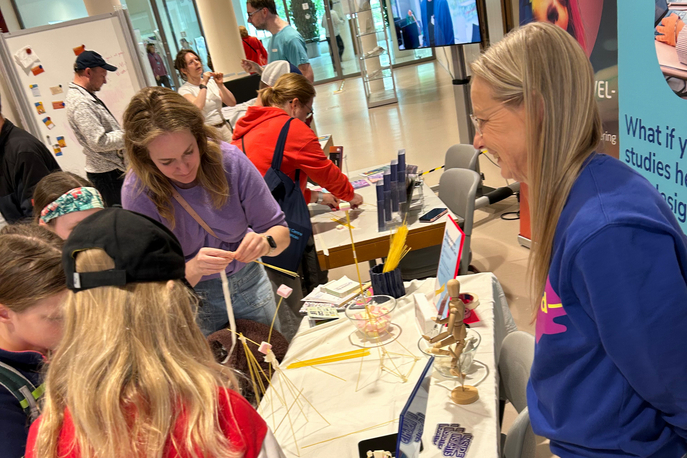
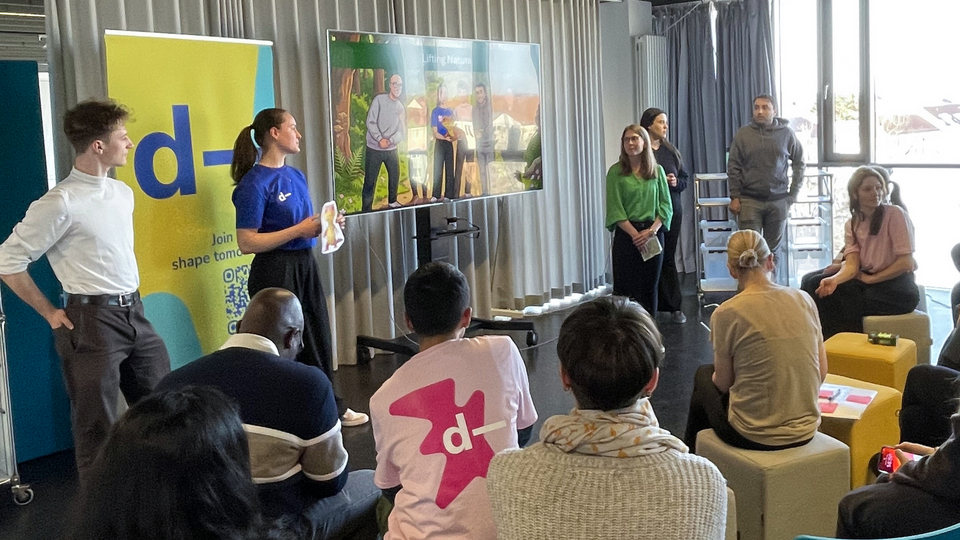
On March 18, 2026, the PotsdamLab at the Bildungsforum in downtown Potsdam was buzzing with activity once again: prototypes of towers and four-wheeled vehicles were being moved back and forth, and the technology behind the large display was being checked. The eight international and interdisciplinary teams of the Global Design Thinking Workshop (GDTW) presented the results of five days of intensive teamwork to the project partner, Berliner Stadtgüter GmbH.

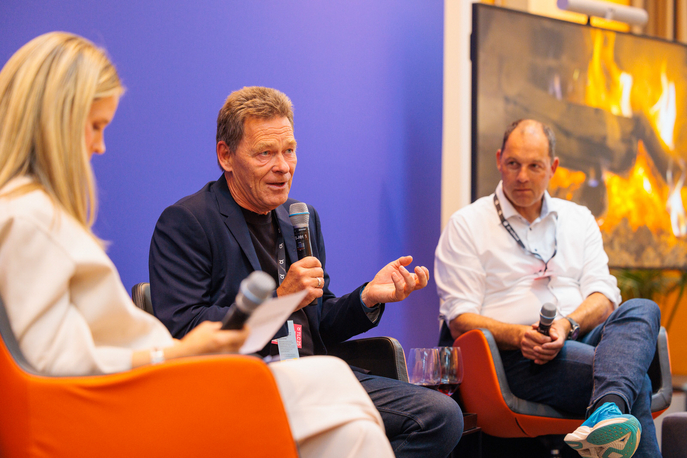
In addition to the work done in the teams, two guest lectures provided further insights into the topic: Dr. Luise Runge from neuland21 spoke on „Digital innovation, data driven education and conflict management in rural sustainability projects,“  and Julian Zefferer from City Lab Berlin spoke on „The neighborhood is the lab – prototyping civic co-production in Berlin.“
The challenge

As always, the GDTW was guided by the Sustainable Development Goals. This time, the focus was on “Sustainable Cities” (Goal 11). The challenge posed by Berliner Stadtgüter: “How can we transform public skepticism into acceptance and appreciation for nature conservation measures?” With over 17,000 hectares of land near the city, Berliner Stadtgüter is not alone in facing this challenge. Institutions and public enterprises responsible for nature-oriented, publicly used areas must balance many interests: from securing access routes and addressing the concerns of nature and wildlife conservation as well as tenants, to meeting the needs of the local population and visitors. This does not always go smoothly.
 

Insights

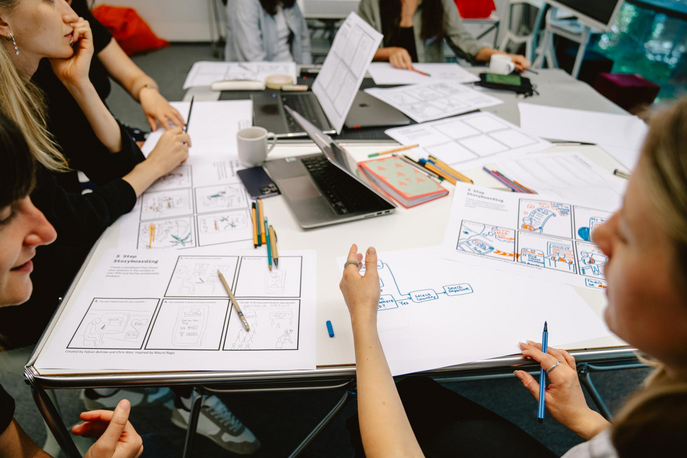
The eight student teams from the HPI d-school were not deterred by this and set out to find common ground among the stakeholder groups. Using a Design Thinking mindset, they delved deeply into the subject, visited natural areas such as the irrigation fields in Stahnsdorf and the former Wall strip along Jenbacher Weg, and spoke with walkers, residents, as well as the responsible rangers and project managers of the Berlin Stadtgüter. Key findings from this research phase:

  • The connections between maintenance and restoration measures in natural areas, as well as their impact on nature and the environment, are often unclear to visitors and residents.
  • Residents identify strongly with the natural areas and the quality of life they provide. They want to get involved but are also afraid of change.
  • The specific responsibilities for the areas are often not transparent. Information gaps are quickly filled with subjective assumptions.
  • Particularly noteworthy: Local people want less digital communication and instead prefer specific local contacts.
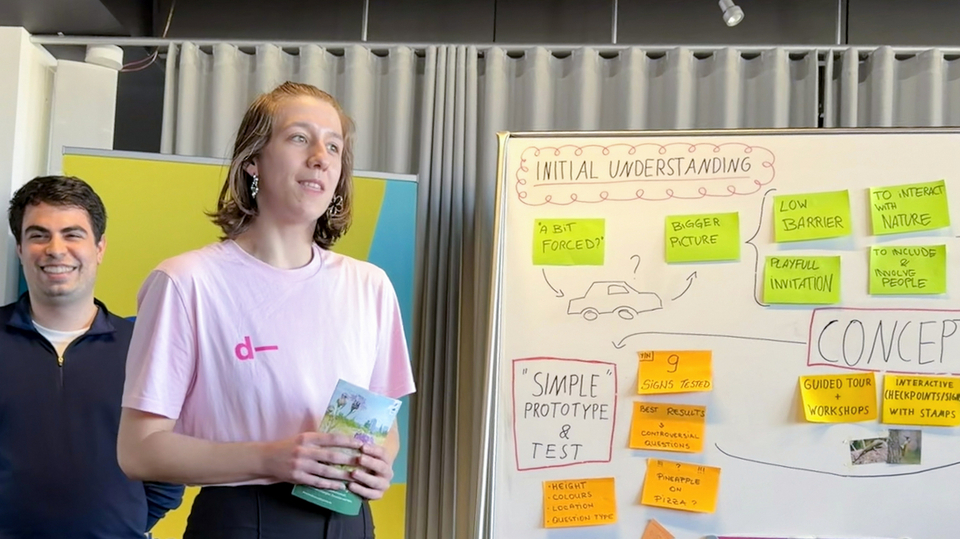
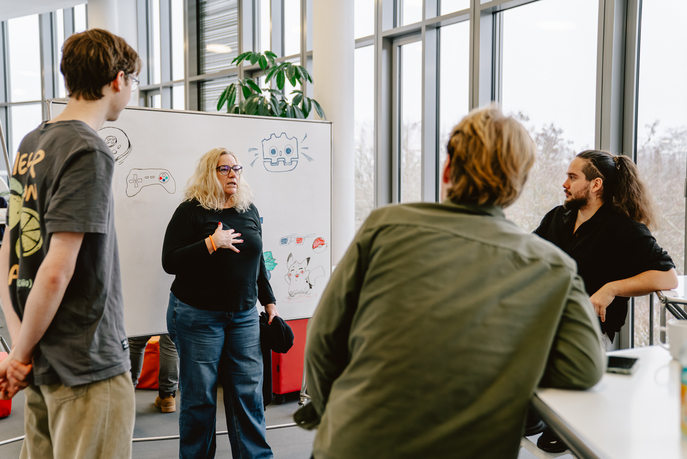
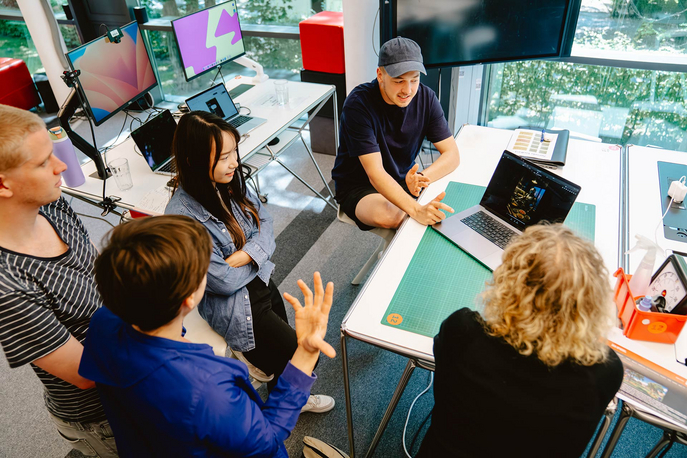
  • Global Design Thinking Workshop - Final presentations
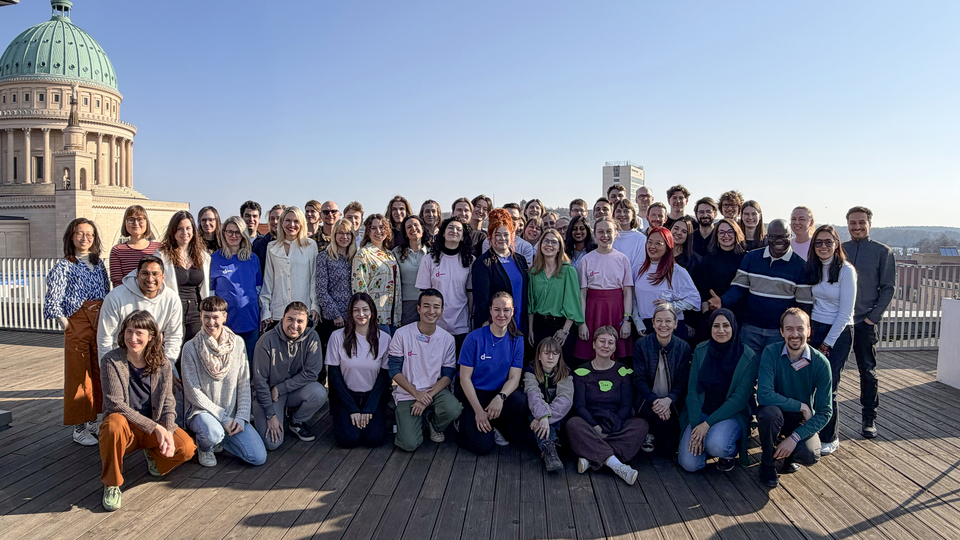
  • Gruppenfoto Global Design Thinking Workshop
  • Global Design Thinking Workshop Sustainable Cities
  • Global Design Thinking Workshop Sustainable Cities
  • Global Design Thinking Workshop Sustainable Cities
  • Global Design Thinking Workshop Sustainable Cities

Solutions and prototypes

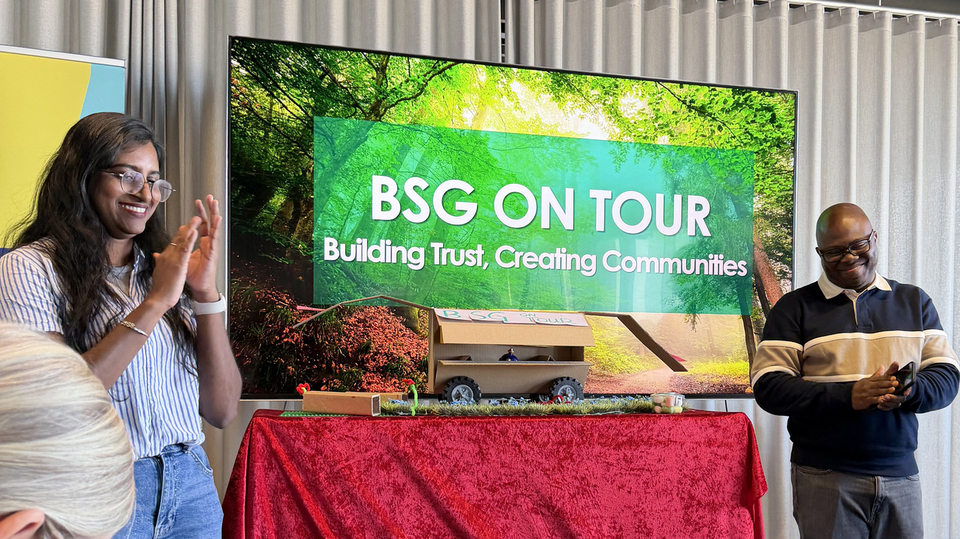
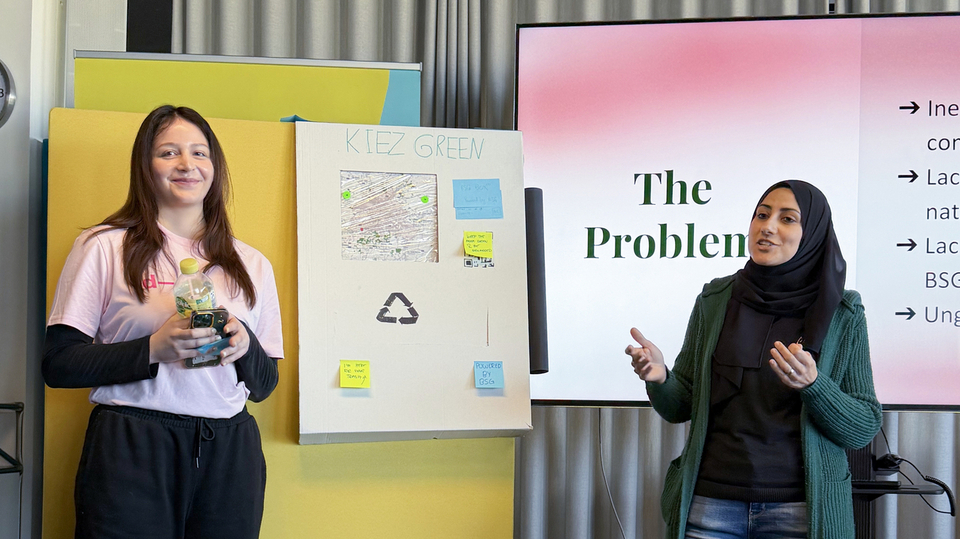
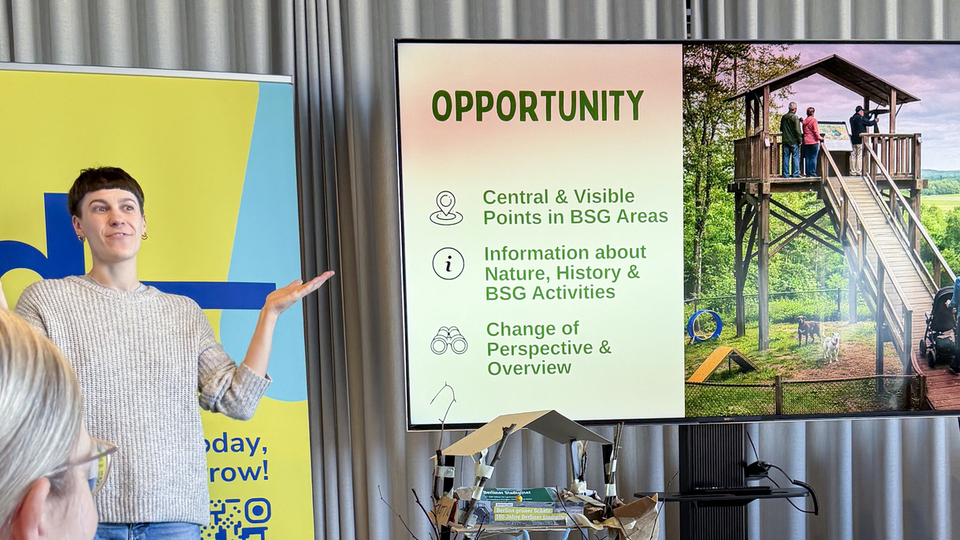
This immersion helped the teams sharpen their focus and point of view and create a solid foundation for developing ideas and solutions. The results were compelling thanks to the combination of physical objects and digital tools in the background: an interactive birdhouse that uses sensors and AI to answer common questions; a trash can that playfully encourages waste collection and awards community points via an app; an observation tower that provides an overview while also serving as a meeting place; and mobile stations with digital maps that clearly illustrate the connections between visible measures and their effects – including CO₂ savings – and offer playful elements for children.

The teams submitted their results and prototypes in the form of a documentation that Berliner Stadtgüter GmbH can use in its role as a partner for the development of the Berlin-Brandenburg metropolitan region and, in particular, in communicating with the users of the spaces.

We thank Berliner Stadtgüter GmbH for their open and dedicated collaboration, as well as the GDTW participants for their outstanding commitment, their respectful attitude during the interviews, their critical engagement with the challenge, and the creative development of tangible prototypes.

Further news

Contact

Do you have any questions? We will be happy to help you.