In your research, you look at how digital tools can transform healthcare. What are the biggest opportunities for digitalization?
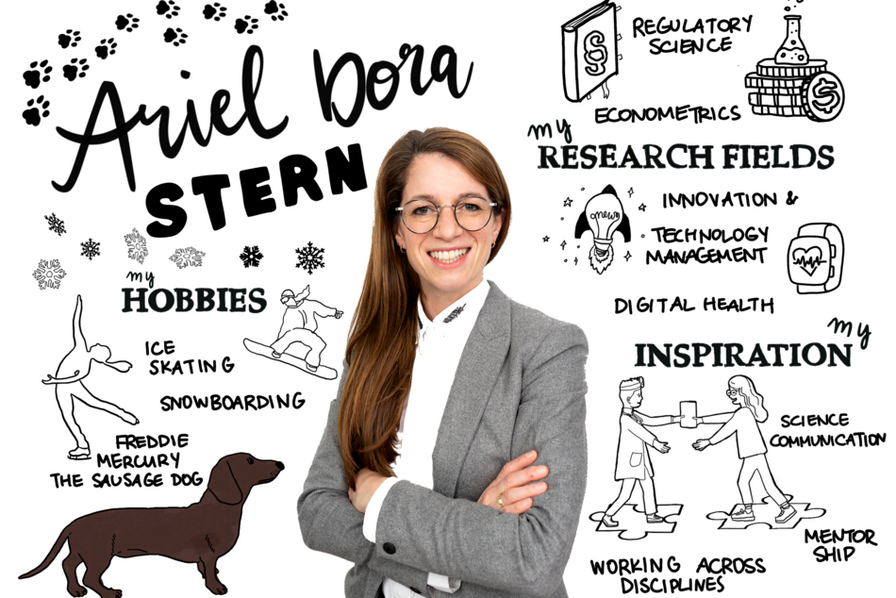
Ariel: My research primarily focuses on what we can do once health care data and systems are digitized. What are the implications for innovation and entrepreneurship in health care, and how are new technologies adopted and used in practice? Digitalization itself is a means, not an end: it enables us to develop new diagnostic algorithms, support remote patient monitoring programs, and deploy machine learning models to guide medical decision-making – this is where real transformation happens!
Digitalization usually means fertile ground for innovation. In your opinion, what are particularly fertile areas for innovation in the German healthcare system?
Ariel: There are so many! I’m particularly excited about some of the “low-hanging fruit”-opportunities where administrative processes and patient experiences can be vastly improved through better, user-centric digital solutions. Because Germany has been slow in these areas, there are countless ways to have impact through well-designed digital solutions.
For your research within the Digital Health Cluster at the Hasso Plattner Institute, you are interested in partnerships with practitioners. What kind of practice partner are you looking for?
Ariel: Research that shapes policy and business decisions has the greatest impact, and this impact thrives on close ties to practice. We are keen not only to expand our partnerships with health care organizations that provide data and relevant clinical questions but also to collaborate with practice partners who can support our field-based courses and even serve as pilot users and sites for the tools we are developing at HPI. In short, there are many opportunities – so come find me at the Digital Health Innovation Forum, and let’s chat!
In your profile at HPI, you write that science communication particularly inspires you. What exactly inspires you about it?
Ariel: Doing good science helps us understand the world, but communicating the results is what allows society to progress. In many ways, effective science communication and good teaching are closely connected – and I love teaching! I see broader science communication not only as a key driver of societal progress but also as a natural extension of something I am passionate about and love sharing with others.
What are you most looking forward to at the upcoming HPI Digital Health Innovation Forum in March?
Ariel: I always love the energy of international and interdisciplinary conversations, and we’re committed to making sure this event is full of both! On a personal note, I’m absolutely blown away by our speakers and especially excited to bring together German and international experts. And get ready to learn – I can’t wait!
Thank you very much for the interview, Ariel!