News

Tech Leadership 25: between innovation and responsibility

Overview

How Europe is shaping its digital future

A continent at the crossroads: What was discussed at the conference

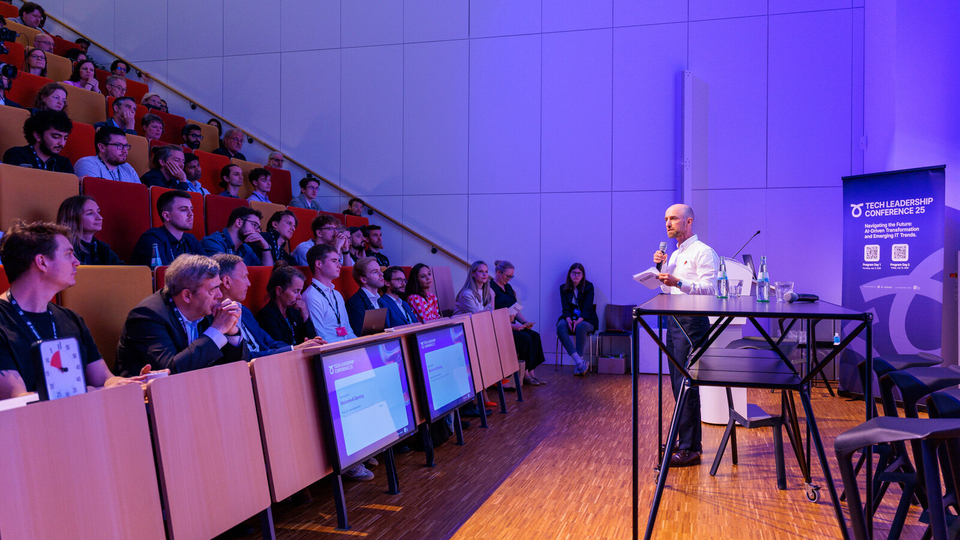
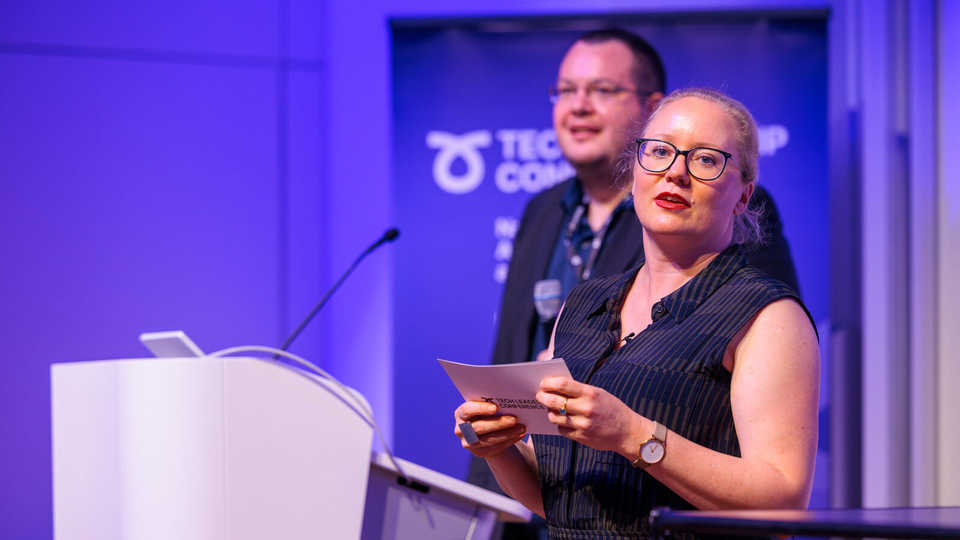
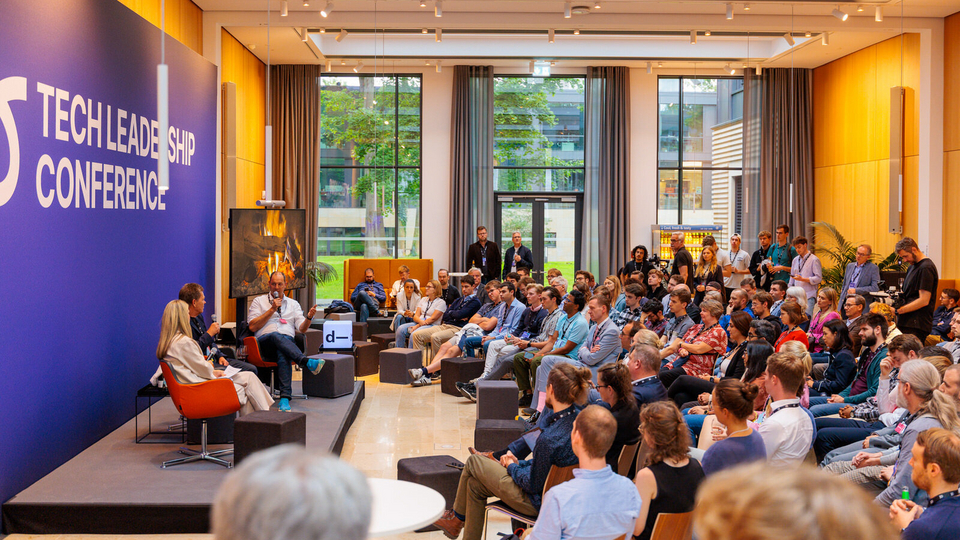
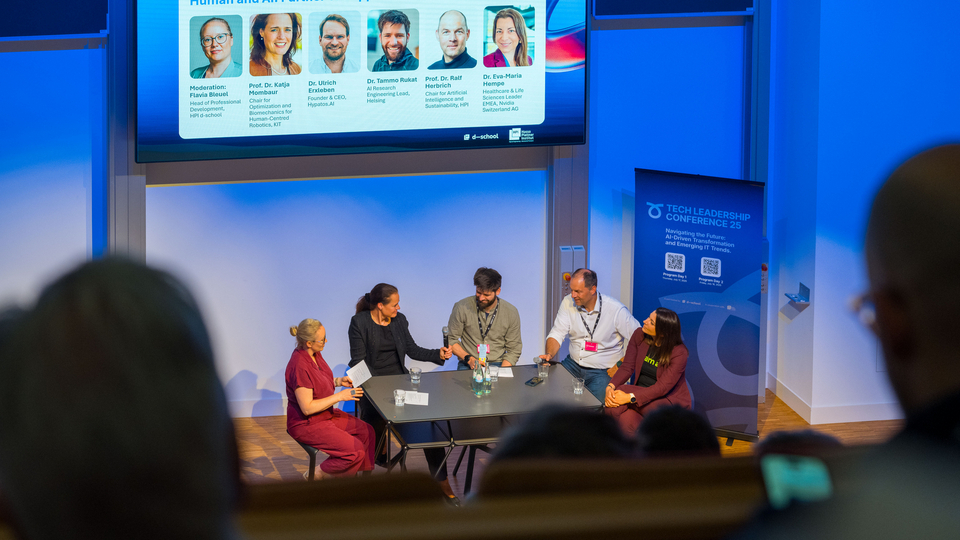
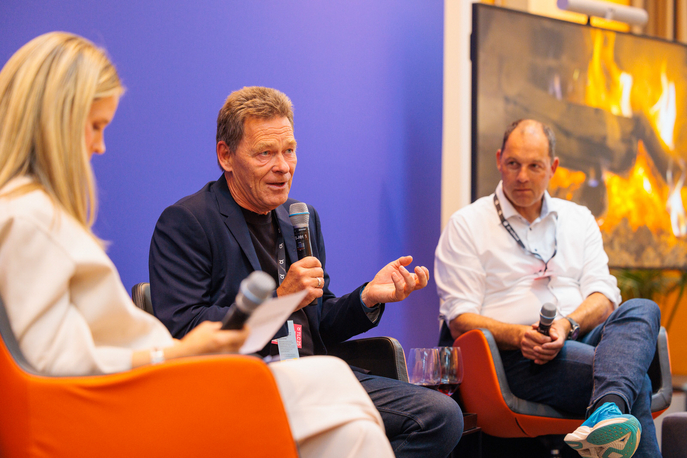
The Tech Leadership Conference 2025 brought together leading minds from industry, research, and politics to address one pressing question: How can Europe remain competitive in the age of AI without losing sight of its values? The event revealed a wide range of perspectives, strategies, and tensions surrounding the digital transformation.
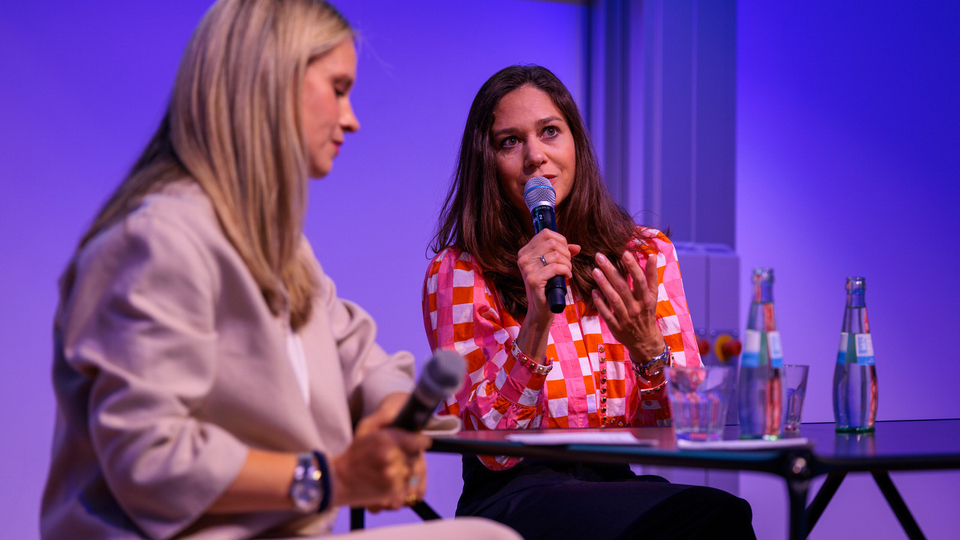
Core topics included European tech sovereignty, the potential and limits of generative AI, and the role of regulation in shaping responsible innovation. Companies such as OpenAI, Airbus, Aleph Alpha, Flower Labs, and Meta contributed insights into how AI is currently being implemented, and where the greatest challenges lie. Central issues ranged from infrastructure bottlenecks to ethical questions, from the potential of open-source and federated learning to the scalability of AI applications in highly regulated industries.

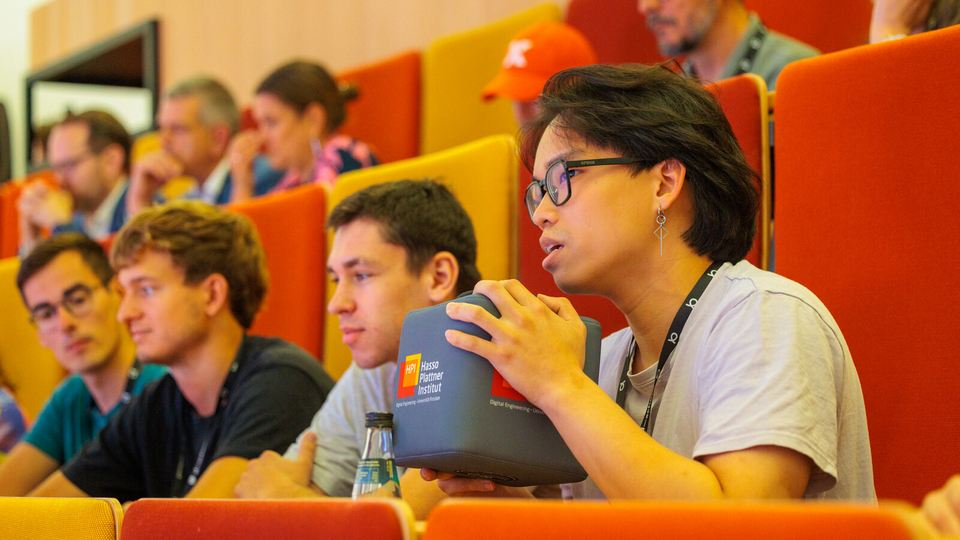
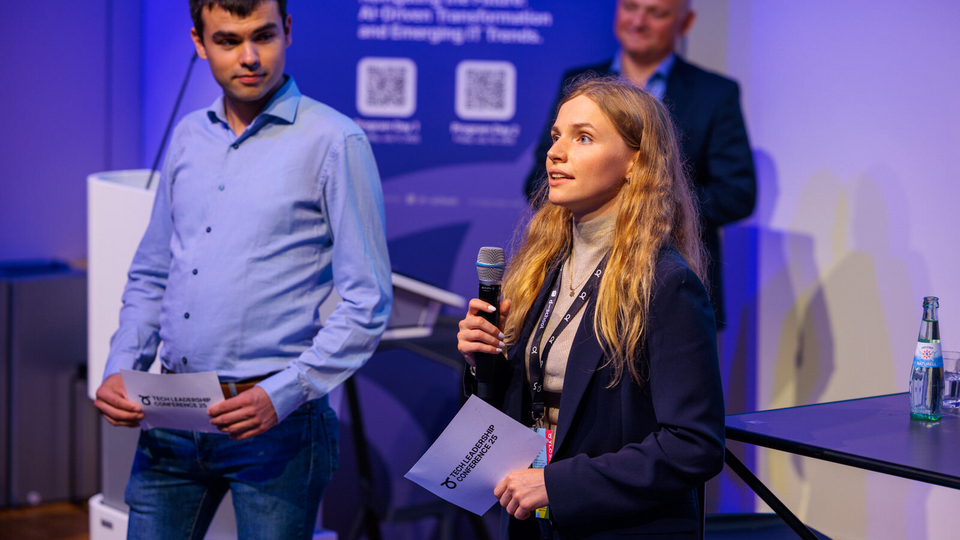
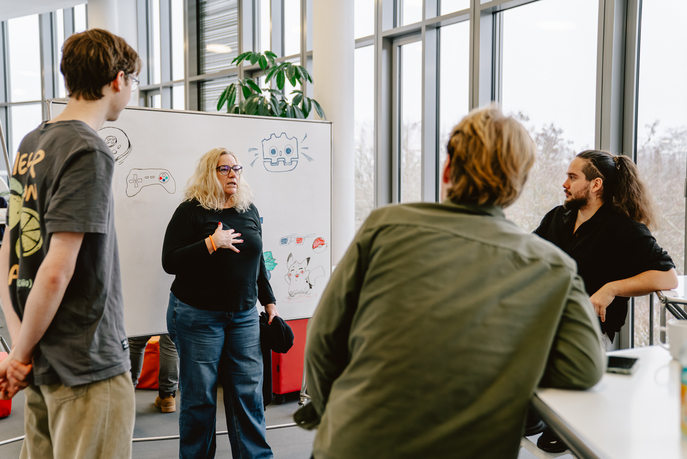
A special feature of the conference was the active involvement of students from the Hasso Plattner Institute (HPI). Several sessions, including spotlight talks and keynotes with leading tech figures, were co-designed and moderated by students, providing a rare platform for intergenerational dialogue. These emerging leaders of tomorrow didn’t just listen – they engaged. Many posed pointed, thoughtful questions, which frequently elevated the discussions to deeper levels of reflection. As one student in the audience asked during a keynote: “It seems like every conference focuses on what we can’t do in Europe. Can we hear a positive outlook?” This moment, met with spontaneous applause, underscored the fresh perspective and optimistic energy that the next generation brought into the room.

The unifying theme: Europe must define its own path. Whether through decentralized innovation networks, strict ethical guidelines, or cross-sector collaboration. What matters is a shared will to shape technology not just efficiently, but meaningfully.
 

Points of contention: where perspectives diverged

The intensity of the discussions was fueled not least by controversial viewpoints. One major fault line ran through the topic of regulation. While some speakers praised the European AI Act as a necessary framework for safety and trust, others warned of overregulation that could stifle innovation. “The AI Act [...] risks stifling innovation,” said one of the speakers, while another emphasized that “total independence is unrealistic in a globally interconnected world.

There was also debate about Europe’s infrastructure strategy. Should the continent attempt to catch up with the U.S. and China in the race for centralized data and compute capacity? Or should it rely on federated systems that reflect European values such as data protection and decentralization? One speaker advocated for the latter, stating: “Trying to compete solely on scale is a losing strategy. Europe‘s strength is networks.

The potential of AI to boost human creativity was another source of both hope and skepticism. A speaker emphasized that generative AI could free people from repetitive tasks, allowing them to focus on what is “genuinely creative and human.” At the same time, another warned: “AI works with existing information; it does not ‘think outside the (data) box’.
Underlying all these issues was a cultural question: Is Europe ready to act with more courage and speed? The call for a shift in mindset from risk aversion to confident experimentation resonated across multiple sessions.

Where do we go from here? Four questions that Europe must now answer

The conference made one thing clear: The time for vague visions is over. Europe must now take concrete steps and that begins with asking the right questions.

  1. How can Europe design regulation that protects values without paralyzing innovation?

    Regulation must create clarity, not confusion. It should ensure safety and trust while still enabling startups, researchers, and companies to experiment. Europe must avoid becoming a bureaucratic fortress that locks out its own innovators.  
  2. What is Europe’s distinct technological path – centralized scale or decentralized collaboration?

    Rather than imitating the superpowers, Europe could lead in federated AI, open-source collaboration, and privacy-first design. But this requires strategic investment in cross-border infrastructure and a rethinking of value creation models.  
  3. How do we ensure that AI remains a tool to empower human creativity, not replace it?

    Technological development must prioritize human agency. AI should not automate away what makes us human, but enhance it. That means focusing on transparency, explainability, and real human-in-the-loop systems.  
  4. What cultural and educational shifts are needed to build a confident, innovative Europe?

    From school curricula to executive training, Europe must cultivate not just skills through digital upskilling but a mindset. Innovation flourishes where people feel empowered to act, to fail, and to try again. This demands structural reforms, but also cultural change.

The road ahead: shaping, not reacting

The Tech Leadership Conference 2025 showed that Europe has the talent, the values, and the vision to play a leading role in the digital age. What’s needed now is the collective will to shape this future – confidently, responsibly, and in alignment with what matters most.

These four questions are not just for policymakers or tech CEOs. They are a call to all of us – researchers, developers, public administrators, educators, and citizens – to participate in shaping a digital Europe that is livable, free, and future-ready.

Let’s not wait for others to define the rules. Let’s craft tomorrow and co-create the answers.

Further news

  • News
    What future skills do we need, and how can we acquire them? A look at experimentation, a culture of learning from mistakes, and Design Thinking.
    • Academic Programs
    • Professional Development
    • Design Thinking
    • Digital upskilling
  • News
    HPI at Potsdamer Tag der Wissenschaften 2026
    Hands-on experiments, computer science activities, and digital learning offers brought research to life for visitors.
    • Academic Programs
    • Design Thinking
    • Innovation
    • Research
  • News
    Mitarbeiter:innenfoto
    How much decision-making should AI have? Samuel Tschepe explains why conscious agency matters more than chasing the next tool hype.
    • Artificial intelligence
    • Digital upskilling
    • Professional Development

Contact

Do you have any questions? We will be happy to help you.