

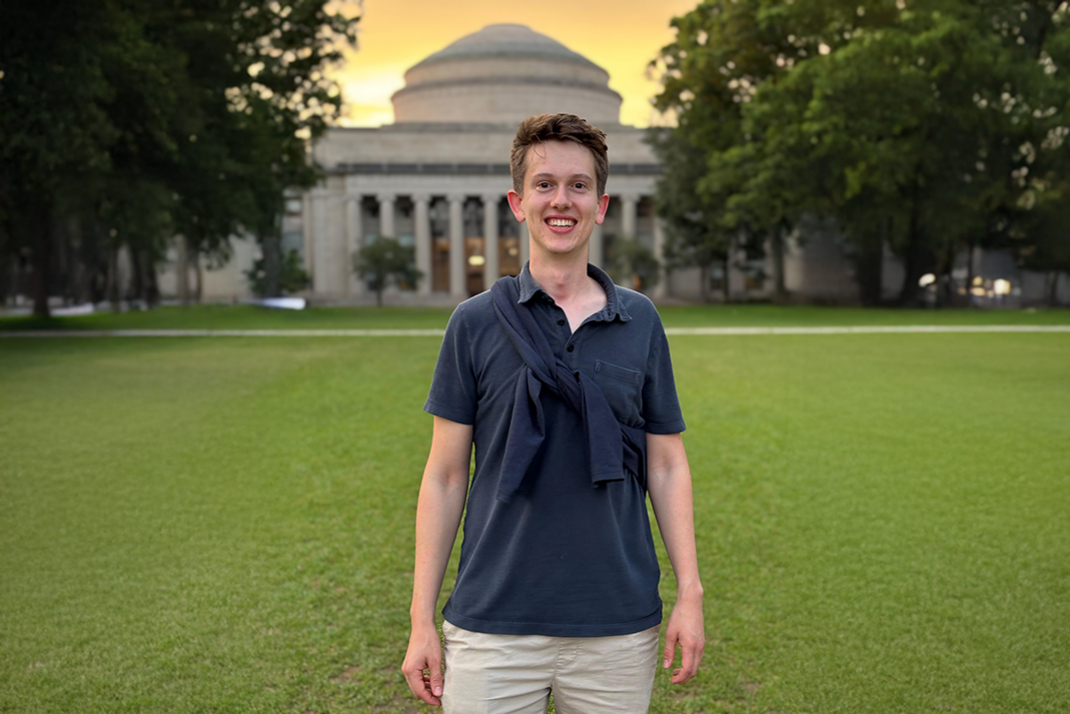
HPI student Konstantin Ketterer is conducting research at MIT on pedestrian-friendly urban planning – and training for a triathlon
I would love to stay longer or come back for a longer period of time.
That's the conclusion of HPI student Konstantin Ketterer, who spent the past two months as a guest researcher at MIT.
The master's student worked on the “Sidewalk Ballet” project at MIT. He and his team measure social activities in urban spaces and explore what this can tell us about urban design.
His stay is part of the research collaboration between HPI and the MIT Morningside Academy for Design (MAD). His project team consists of doctoral students Liu Liu (MIT), Marco Cipriano (HPI), and Alexandra Kudaeva (HPI), led by Prof. Andres Sevtsuk (MIT) and Prof. Gerard de Melo (HPI).
In this interview, Konstantin tells us about his experiences at MIT beyond his research and what his team hopes to achieve with their project:
Hasso Plattner Institute: How would you explain your project to laypeople?
Konstantin Ketterer: We are trying to analyze the (social) activities and group formation of people in public spaces using public Street View images. Among other things, we are using quantitative data to find out which streets have/promote more social activities.
HPI: What is your role in the project?
Konstantin: I am responsible for activity recognition using multimodal large language models (LLMs). For that it‘s essential to achieve a small, energy-efficient model through distillation (i.e., reducing the LLM to a single task) in order to be able to analyze the huge amount of Street View images.
HPI: What connection do you suspect between urban design and social activities?
Konstantin: Cities have a huge network of sidewalks and public spaces. However, cities usually have only a very limited budget available for maintaining and improving such public spaces. Automated data collection on pedestrian flows and social activities can support the sensible use of funds and also help to assess the success of new pedestrian-friendly city redesigns.
HPI: What could this mean for the urban design of the future?
Konstantin: The vision is to provide cities with tools that enable them to make even more informed and helpful decisions about the design of pedestrian/cyclist-friendly cities. Thanks to the scalability of software and the new possibilities offered by AI, in the future even the smallest towns will be able to carry out evaluations and analyses that were previously only possible for the richest cities.
HPI: What was your expectation when you applied for a research stay?
Konstantin: I was looking forward to meeting lots of brilliant new students and researchers. I also find the opportunity to focus all my energy on a research project for two months both exciting and relaxing. During a normal semester, there is usually very little time left for each subject, and you are forced to jump back and forth between topics.
HPI: To what extent were your expectations confirmed or refuted? What surprised you?
Konstantin: Unfortunately, the opportunities to get in touch with regular MIT students during the semester break when I was there are limited. Nevertheless, I met lots of nice people both at MIT and beyond – the Visiting Student Community (VISTA) was particularly helpful in this regard. With so many activities outside of school and the high level of complexity involved in the project, the two months flew by. I would love to stay longer or come back for a longer period of time.
HPI: How do you spend your time outside of the research project?
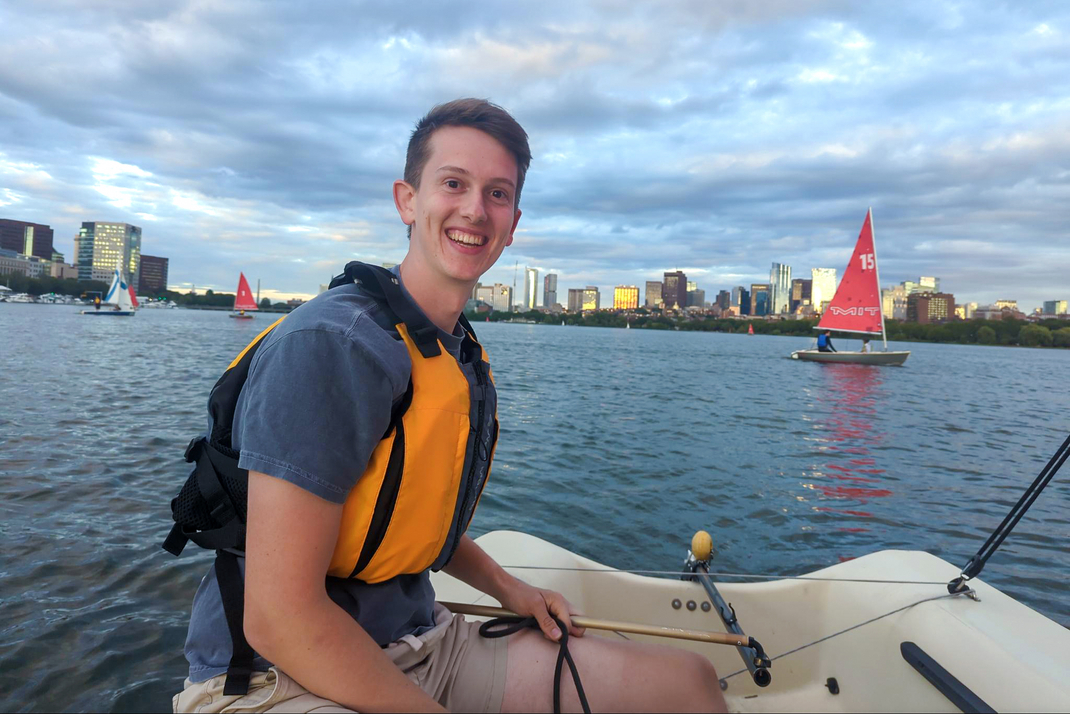
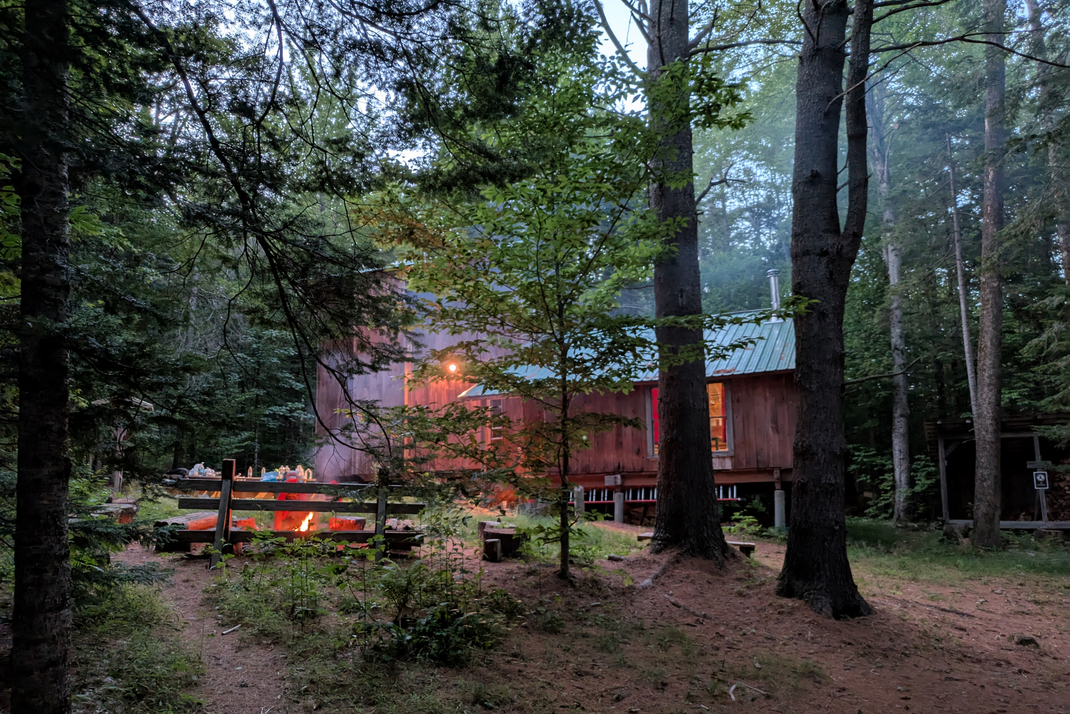
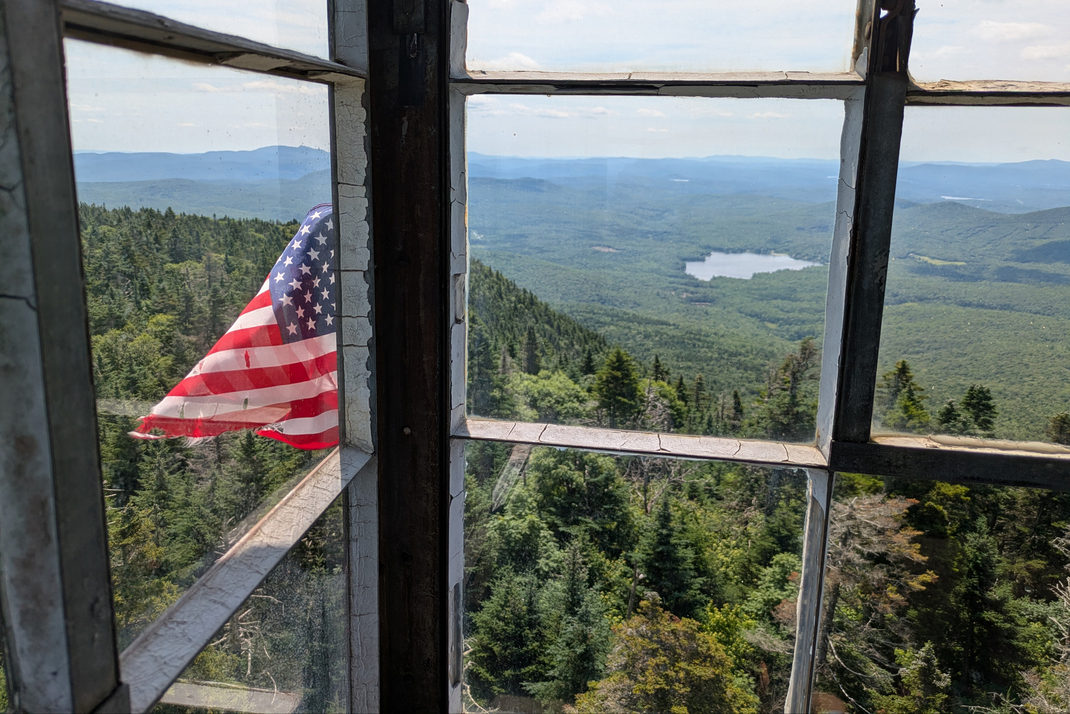
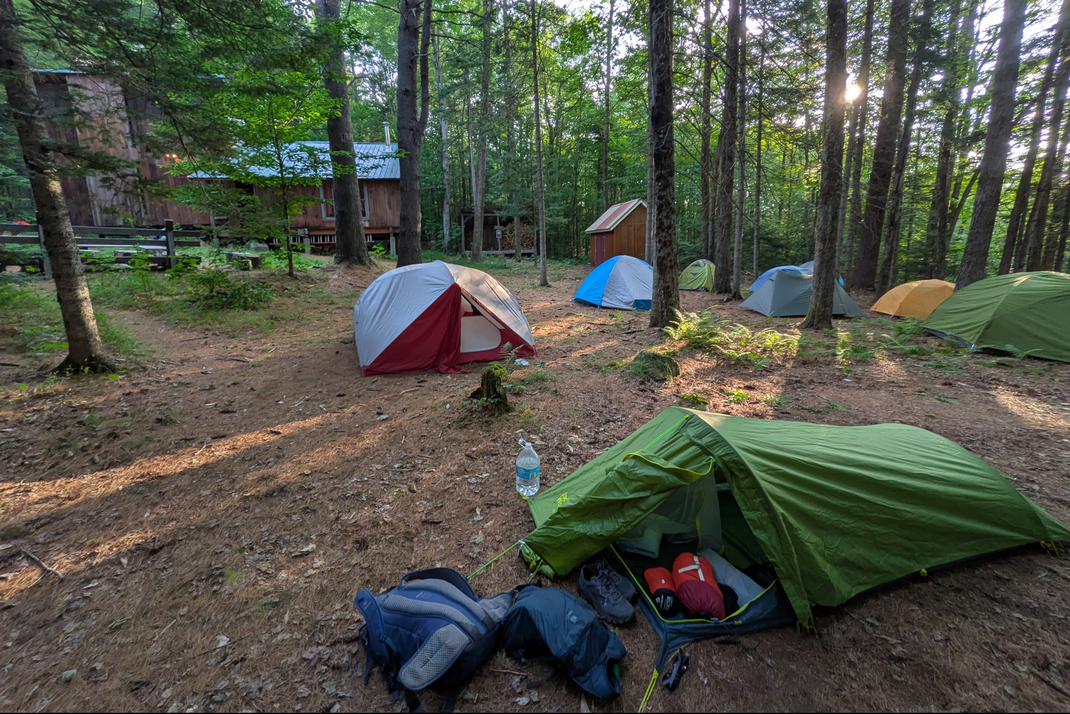
Konstantin: There are many sports and activities on campus that I enjoy. I started swimming regularly in the large indoor pool to prepare for a triathlon. I like to go sailing on the Charles River at the MIT Sailing Pavilion. MIT Vista also offers regular events for students, which I enjoy attending and where I have already met many other exchange students. The MITOC outdoor club is also very active, and I took part in a hiking weekend in New Hampshire. The club is a great way to meet people outside the visiting student bubble and do things outside Boston without having your own car.
Thank you very much for the interview!



More news


Contact persons
Alina Pfeifer
Program Manager Academic Partnerships
Phone: +49 151 1815-1706
Mail: alina.pfeifer@hpi.de