

In the healthcare sector, both in emergency medicine, outpatient and inpatient care and in public health, important data about patients are generated every day. By analyzing this data in a targeted way and translating knowledge into action (from data to action), people can receive better - more effective and efficient - care and be better protected from disease. With their research topics, the PhD students at our Research School cover many aspects of our broad research spectrum, which includes four central aspects of health: Prevention, Diagnostics, Therapy and Protection. The topics include health challenges at both individual and population level. Projects at the individual level serve to support medical experts in the application of precision medicine, ranging from targeted protection strategies to specific diagnostics and personalized therapy support.
Projects with a holistic perspective go beyond the individual, focusing on public health to improve health outcomes on a larger scale. This focus includes research on factors such as health behaviors and community-based interventions, as well as addressing global healthcare challenges such as an aging population, an increase in obesity, shortages of healthcare professionals, costs and equitable access. In addition, PhD projects also address economic aspects of digital health.
Scientific Topic:
The rapid advancement of digital health technologies presents unprecedented global opportunities and challenges in public health and healthcare, data management and analytics in prevention, diagnostics, protection and therapy. This research school will focus on fostering the next generation of leaders in this dynamic field.
Internal Evaluation Procedures:
The advising structure of the Research School will be anchored in a robust Thesis Advisory Committee (TAC) model, designed to provide comprehensive support and guidance to PhD students throughout their research journey. Each student will form a committee that includes their primary thesis advisor and a second faculty member, with the option to invite a third external member to enrich the advisory process. Committees will meet at least once a year to review progress, set goals, and address any challenges faced by the student.
International collaborations:
To further enhance collaboration and exchange, we will organize annual retreats focused on building cross-disciplinary connections and facilitating regular interactions with our partners at Mount Sinai (New York, USA) and in South Africa. These gatherings will promote a dynamic research environment, encouraging knowledge sharing and networking within the global digital health community. The DHP Mount Sinai Graduate School will be aligned with this research school.
Regular Meetings & Events:
The program will feature weekly “all-hands” meetings designed to provide a structured PhD curriculum. These meetings will include presentations by faculty members on various research topics and methods, offering students valuable insights into different approaches and techniques.
Principal Investigators

Prof. Dr. Lothar Wieler
Speaker Digital Health Research School
Phone: +49 331 5509-165
Mail: lothar.wieler@hpi.de

Prof. Dr. Bernhard Renard
Co-Speaker Digital Health Research School
Phone: +49 331 5509-4961
Mail: bernhard.renard@hpi.de
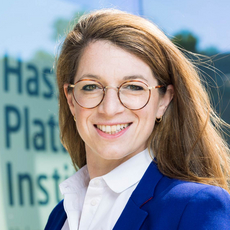
Prof. Dr. Ariel Dora Stern
Head of Digital Health, Economics & Policy
Phone: +49 331 5509-4829
Mail: office-stern@hpi.de
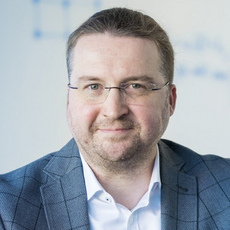
Prof. Dr. Bert Arnrich
Head of Digital Health – Connected Healthcare
Phone: +49 331 5509-4850
Mail: bert.arnrich@hpi.de
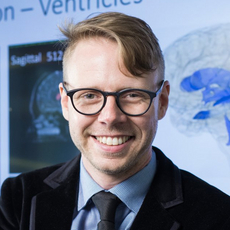
Prof. Dr. Christoph Lippert
Head of Digital Health – Machine Learning
Phone: +49 331 5509-4850
Mail: christoph.lippert@hpi.de

Prof. Dr. Helene Kretzmer
Head of Computational Genomics
Phone: +49 331 5509-1365
Mail: helene.kretzmer@hpi.de
Last change: 28/05/2026, Patrick Lenz