

Texts generated by artificial intelligence, or more precisely by large language models (LLMs), are now everywhere. People use LLMs to help them write texts. However, many also use them as a kind of search engine or to acquire knowledge. It is therefore important that the information circulating in LLMs and generated by them is accurate.
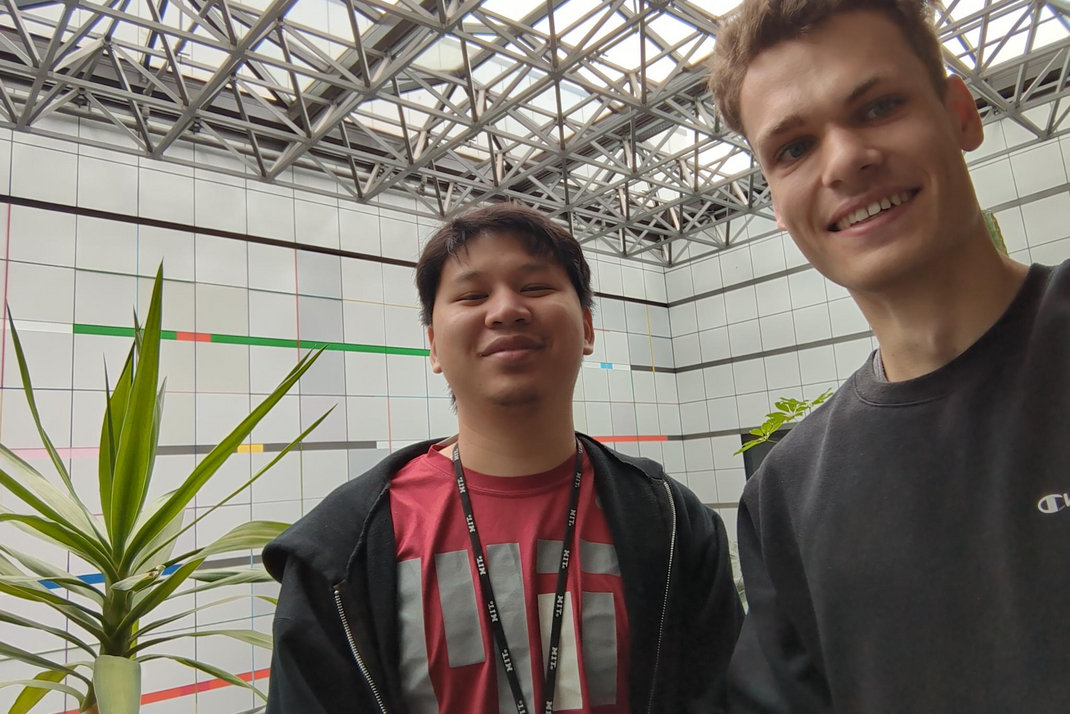
HPI master's student Nick Lechtenbörger is currently investigating why this is not always the case and what can be done about it during a three-month research stay at the Massachusetts Institute of Technology in the US.
He was given this opportunity through the research collaboration between the HPI and the MIT Morningside Academy for Design (MAD). The collaboration also includes joint research projects between the two institutes and regular joint workshops.
In the research project entitled "LLM Harmfulness Benchmark for Climate Change," the 24-year-old is working with Pat Pataranutaporn (postdoctoral researcher at MIT) under the supervision of Pattie Maes (Germeshausen Professor of Media Arts and Sciences at MIT Media Lab).
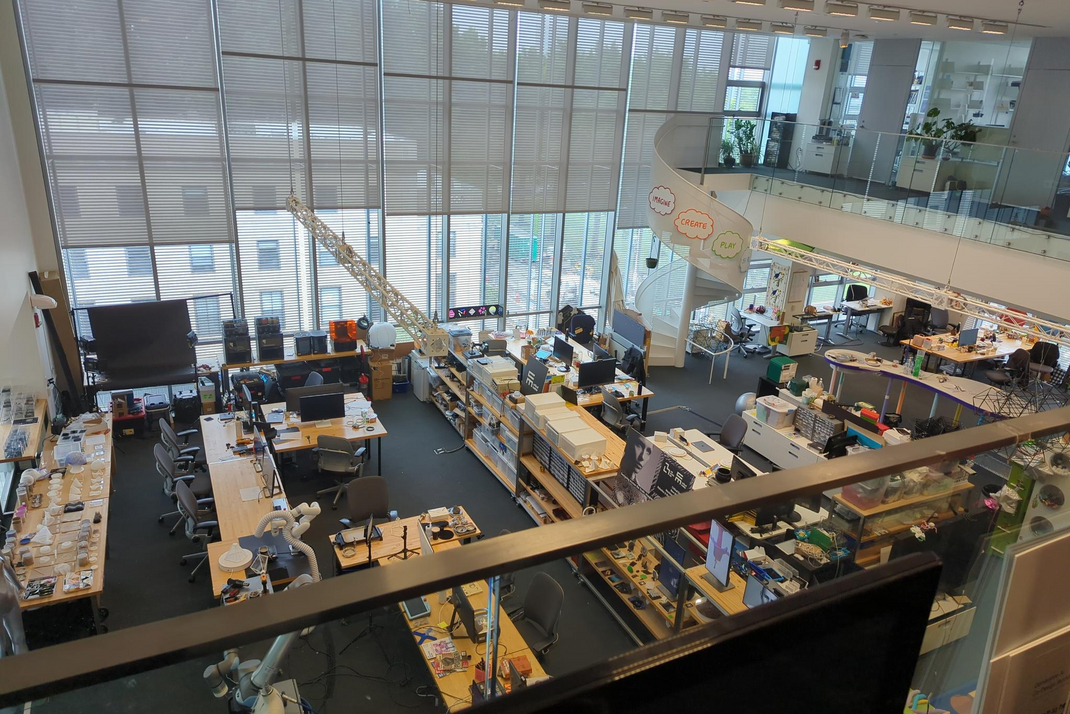
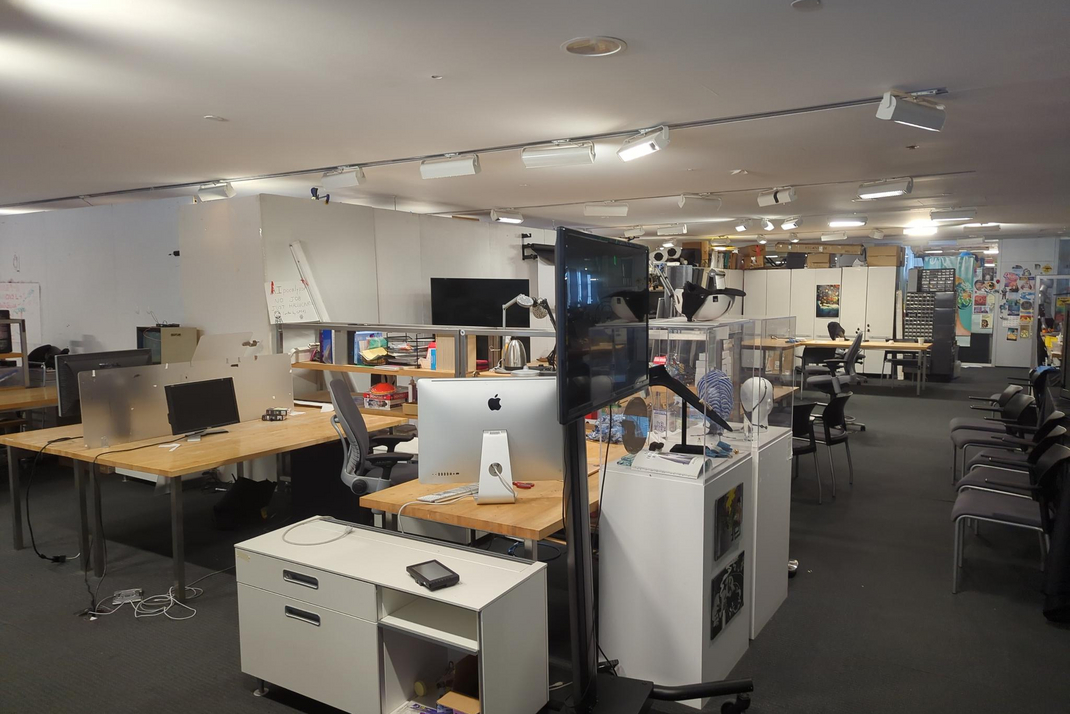
Nick's workspace on the MIT campus
In this interview, he tells us more about his project and what it's like to be immersed in the research world at MIT.
Hasso Plattner Institute (HPI): What is your project about?
Nick Lechtenbörger: My project is about creating a benchmark (i.e., a performance evaluation test) that tests LLM content about climate change for "harmfulness." For example, it aims to determine whether the chatbot confirms false facts provided by a user or whether it intentionally invents misinformation when the user asks for it. Our research questions are: What role do LLMs play in spreading and amplifying climate change misinformation? Can commercial LLMs be used in propaganda campaigns to deliberately influence social media users?
HPI: How did you come up with this topic, what interests you about it?
Nick: During our initial research into public opinion on climate change on Twitter, we noticed that a very large proportion of users deny that climate change is caused by humans. Many of these tweets were generated by LLMs. We found it very concerning that LLMs, despite alleged safety precautions and overwhelming scientific evidence, are inventing information that denies climate change. That's why we decided to continue researching in this direction and create a benchmark with the goal of identifying dangerous responses and providing guidance to LLM safety teams on how to avoid these problematic responses in the future.
HPI: What is your role in the project?
Nick: I am responsible for creating the benchmark independently. If I have any questions, I can always turn to Pat, but I am free to explore and develop the topic in whatever way I think is most useful. When it's not 40°C with high humidity, I also really enjoy working in my hammock in the garden ;).
HPI: What is the research culture like at MIT?
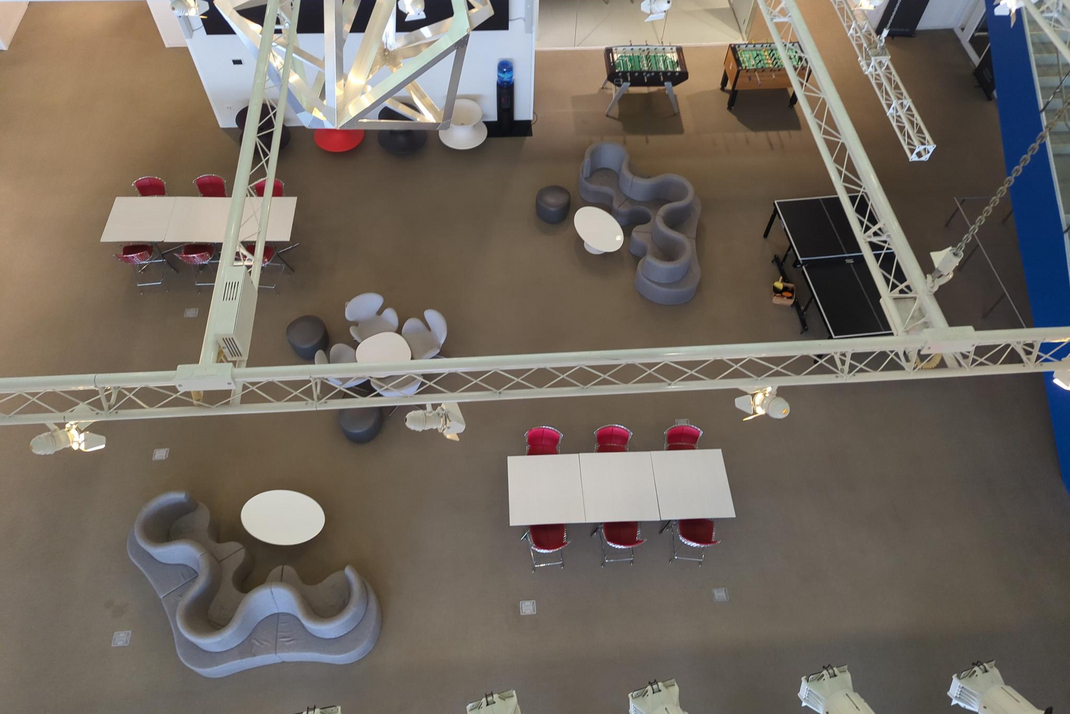
Nick: The average MIT student/PhD/postdoc usually works significantly longer hours than we do in Germany. You can feel how important their research is to them. The office is their home, their workplace, but also a social space. The researchers in my office all have their own schedules, but the first one arrives at 4 a.m. and the last one leaves the office at 2 a.m. In addition, there are many projects that half the department is working on.
HPI: What is your MIT highlight outside of your research project?
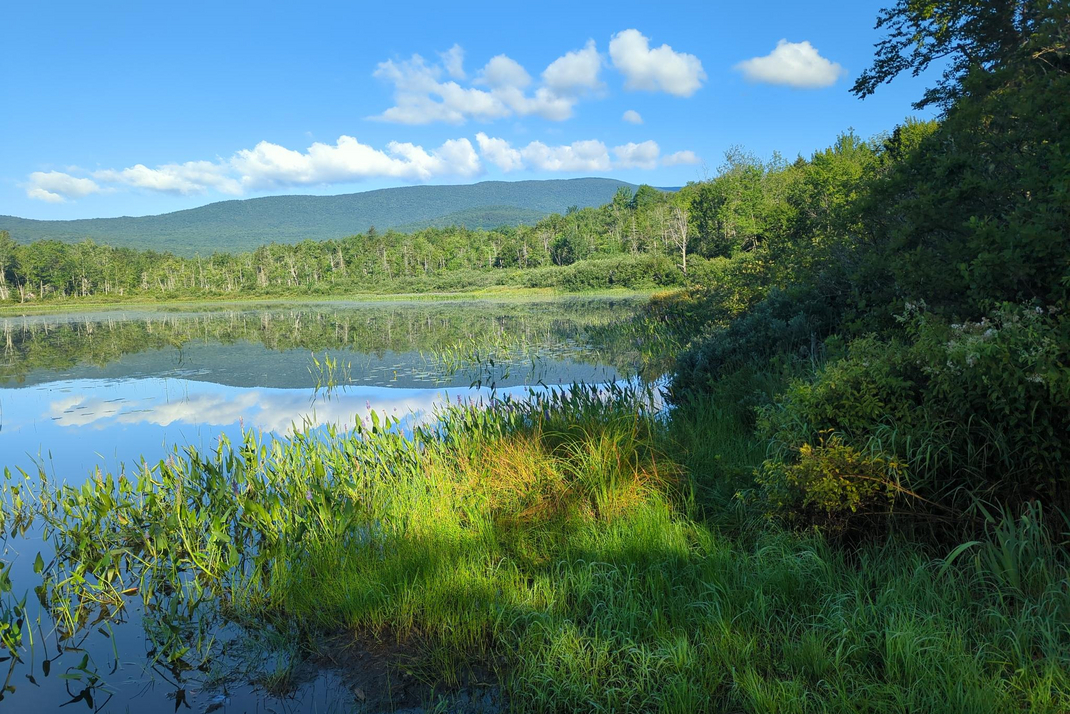
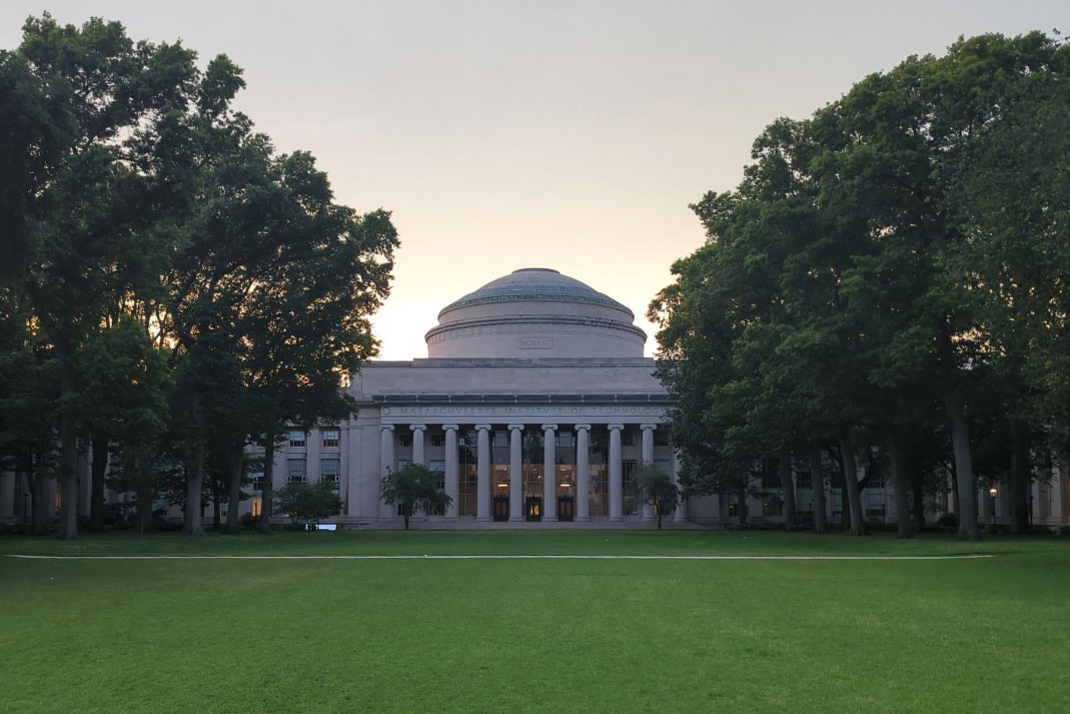
Nick: A trip to New York City with the other HPI students, the beaches, hiking in New Hampshire, MIT Vista (the Visiting Student Association at MIT), food, the American way of life.

HPI: What were your expectations when you applied for a research stay?
Nick: I wanted to experience research and life at one of the best research institutions in the world. I also wanted to gain research experience for my future plans and decide whether or not to pursue a PhD.
HPI: To what extent have your expectations been confirmed or refuted? What was unexpected?
Nick: I am very happy with my stay at MIT and the freedom I have to conduct independent research on my topic. I would also like to mention the support I have received from Katherine, our MIT coordinator, which has far exceeded my expectations.
It's a bit of a shame that I'm not here during the semester, as many students are away from Boston during the holidays and I'm not able to experience everyday life at MIT. Unfortunately, the political situation is also a bit uncomfortable at the moment. As a J1 visa holder, I have to be much more careful than I would otherwise be.
Thank you very much for the interview, and we wish you all the best for the rest of your time at MIT!
More news
Last change: 11/06/2026, Patrick Lenz