

The Potsdam Conference on National Cybersecurity 2026
Germany and Europe are facing a period of profound transformation. Geopolitical conflicts, economic uncertainties, and technological dependencies are presenting new challenges to politics, the economy, and society. The shift in the international security order is also having an impact on cybersecurity. This raises an increasingly pressing question: What now? How can we achieve a high level of cybersecurity in an increasingly unstable world?
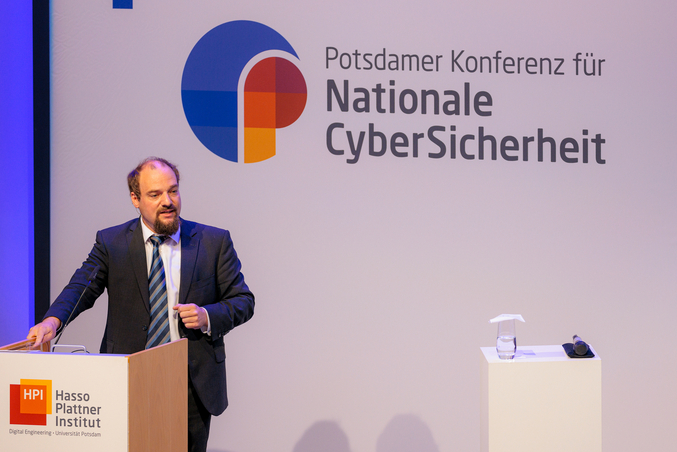
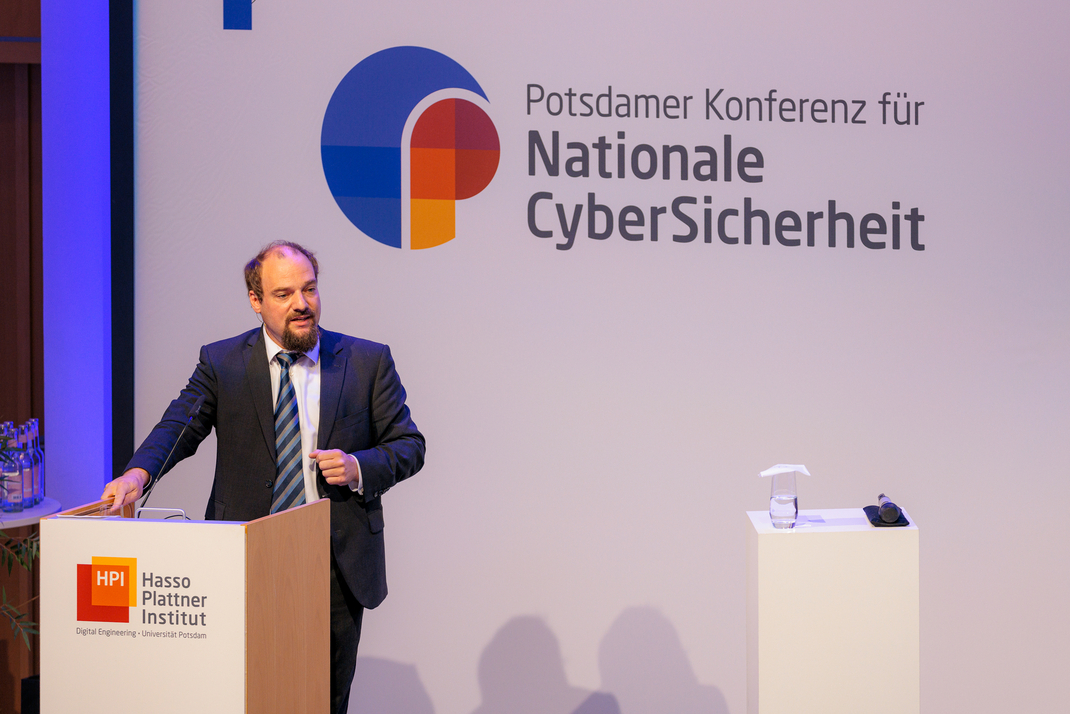
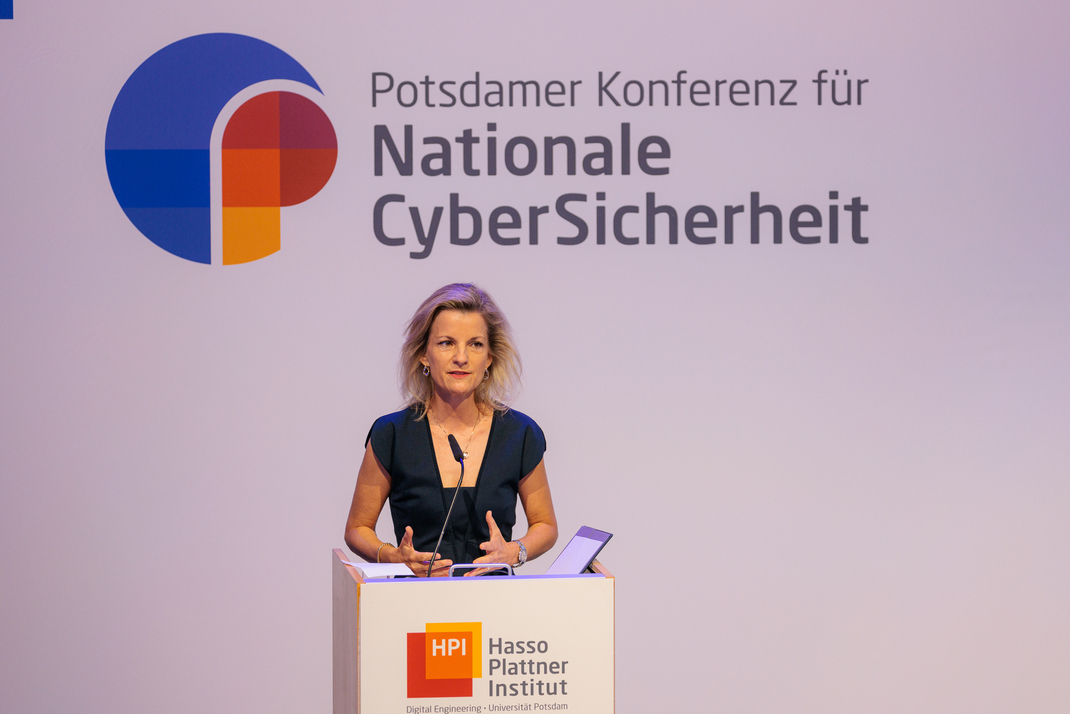
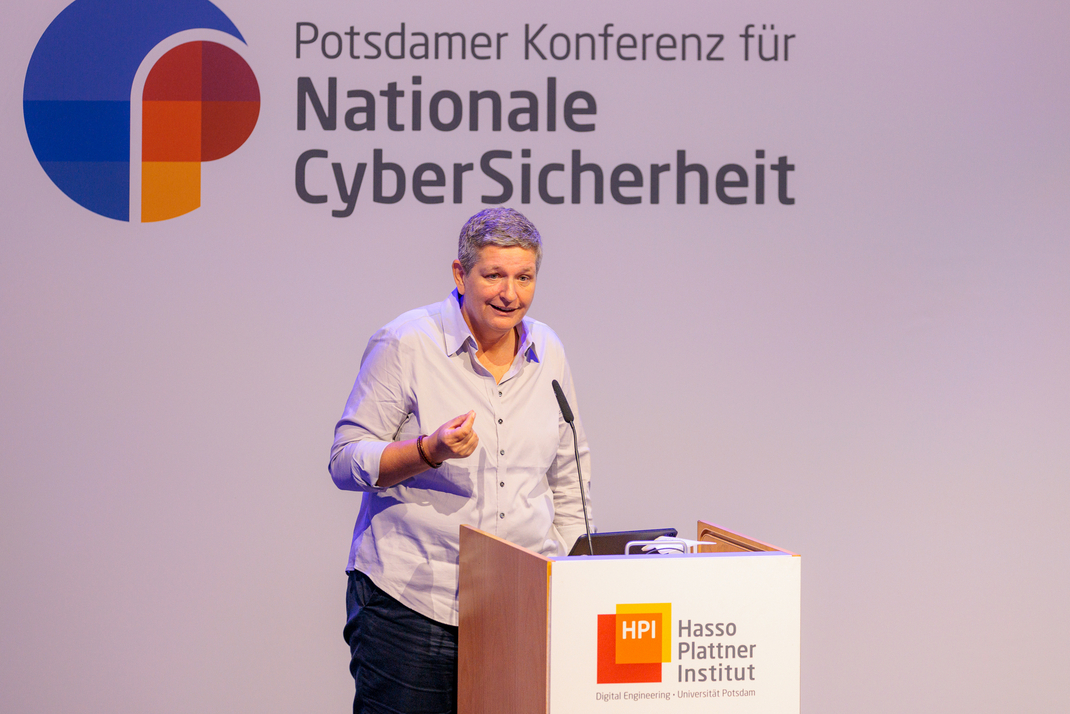
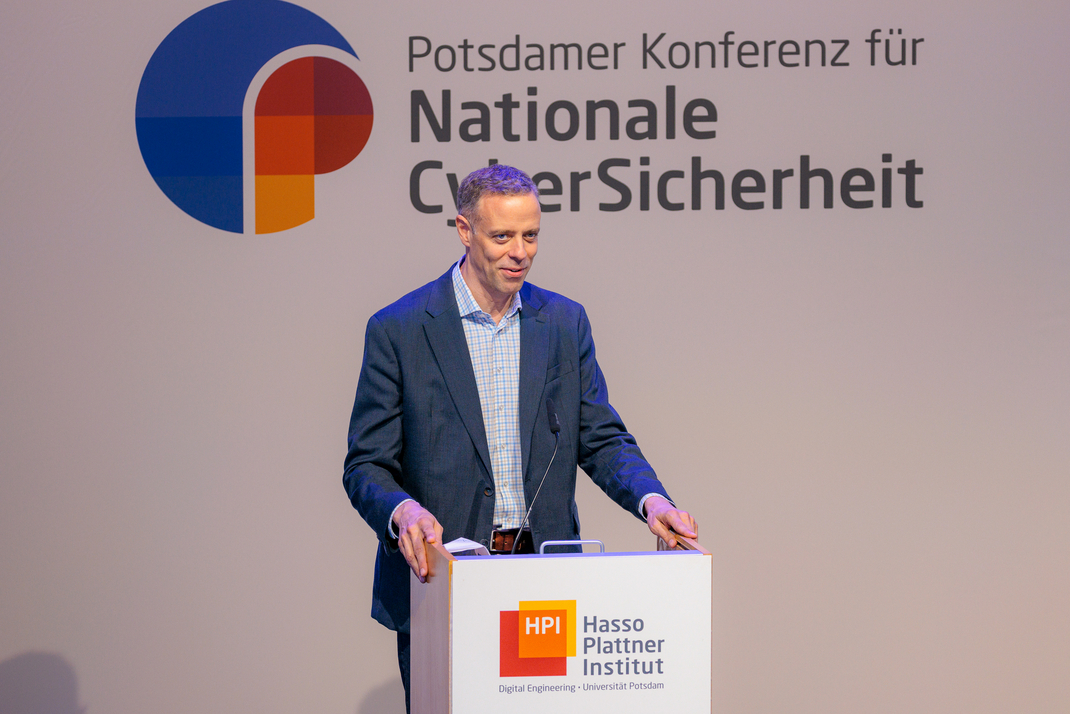
This was also the question posed by Prof. Christian Dörr, head of the "Cybersecurity - Enterprise Security" research group at HPI, in his opening remarks as host of the Potsdam Conference on National Cybersecurity on June 24 and 25.
Save the date
The next Potsdam Conference on National Cybersecurity will take place on June 9 and 10, 2027, at HPI in Potsdam.
Website
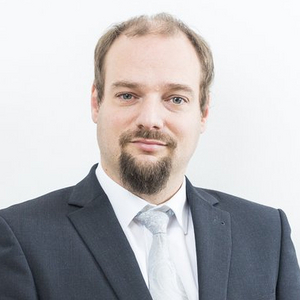
If criminals were to smash jewelry store windows one after another, repair crews would be on the scene that very same day, a security service would secure the displays, and alarm systems would be checked. No one would leave the broken windows open for months on end. In the cyberspace, however, that's exactly what's happening. We see the vulnerability, we know the risk, and we put off fixing it until later.
Prof. Christian Dörr, conference host and head of the "Cybersecurity – Enterprise Security" research group
Digitalization first, security second?
Up to now, digitalization has primarily been viewed as a means of accelerating processes. Security was often only added as an afterthought. The worsening cybersecurity situation is not a natural disaster, but the result of failing to do our homework. There are still too many unclear lines of responsibility within organizations. "I hope this conference will encourage debate. It’s crucial that afterward we not only know what’s at stake, but also what needs to be done. So what do we do now? Let’s start here," said Prof. Dörr.
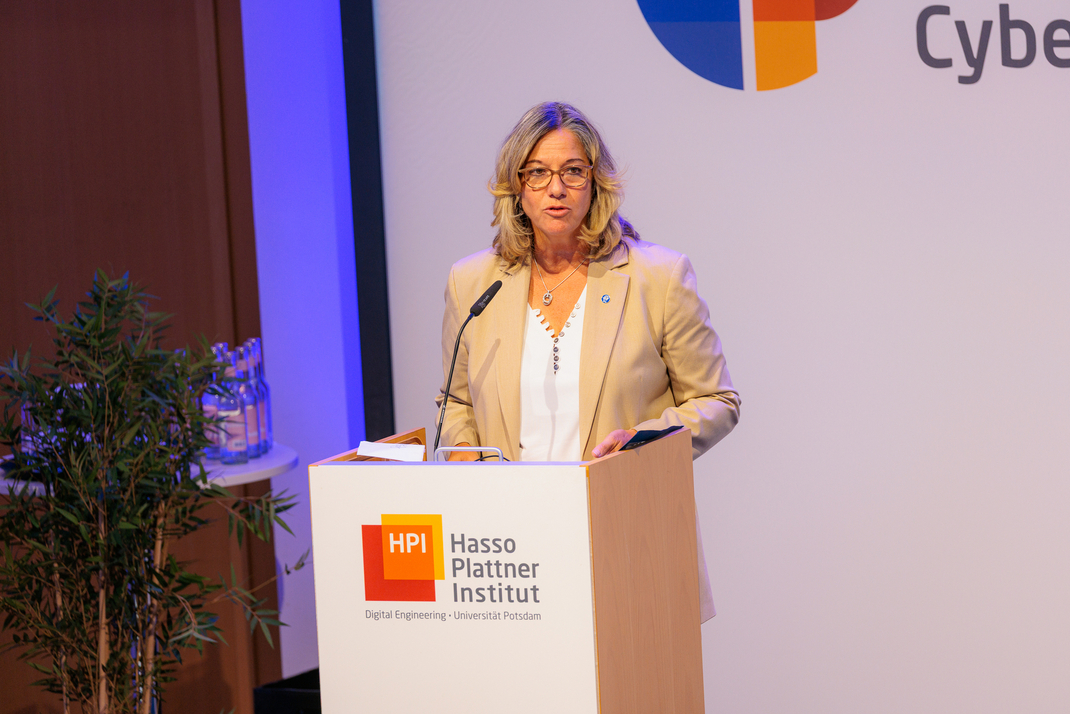
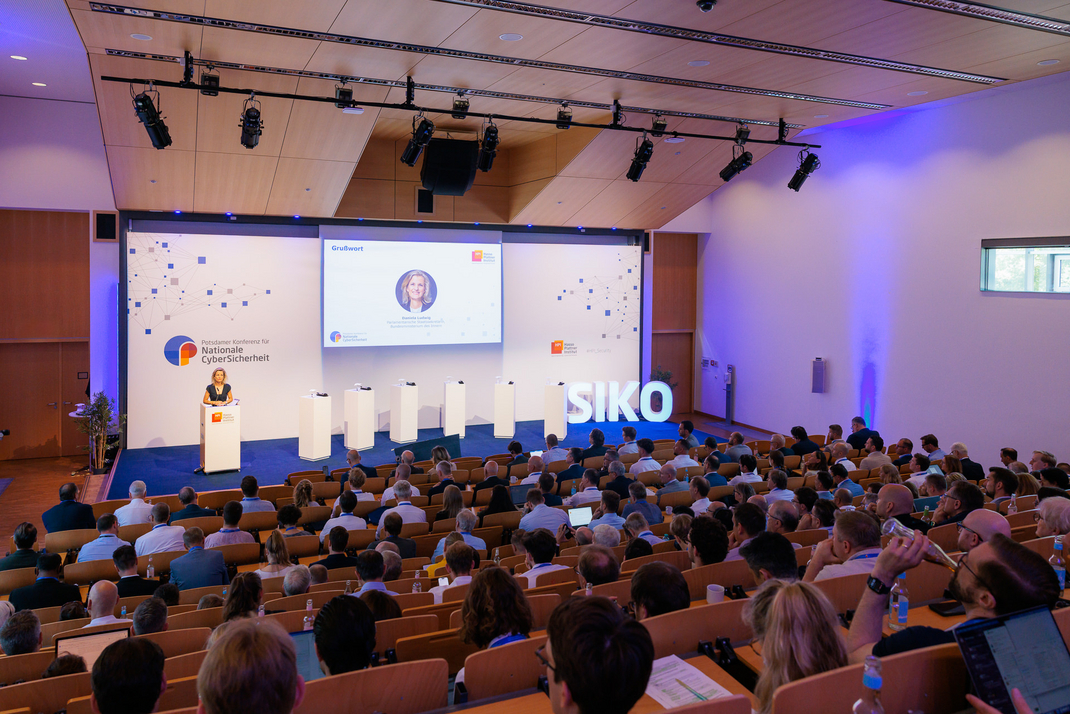
In her opening remarks, Daniela Ludwig, Parliamentary State Secretary at the Federal Ministry of the Interior, emphasized the importance of ongoing dialogue on current cyber threats. The Germany-wide rail service outage on the night before the conference highlighted the potential vulnerability of critical infrastructure. "Conferences like this are essential, and they’re also vital for Germany as a business hub."
"Potential attackers only need to succeed once, but defenders must succeed every time."
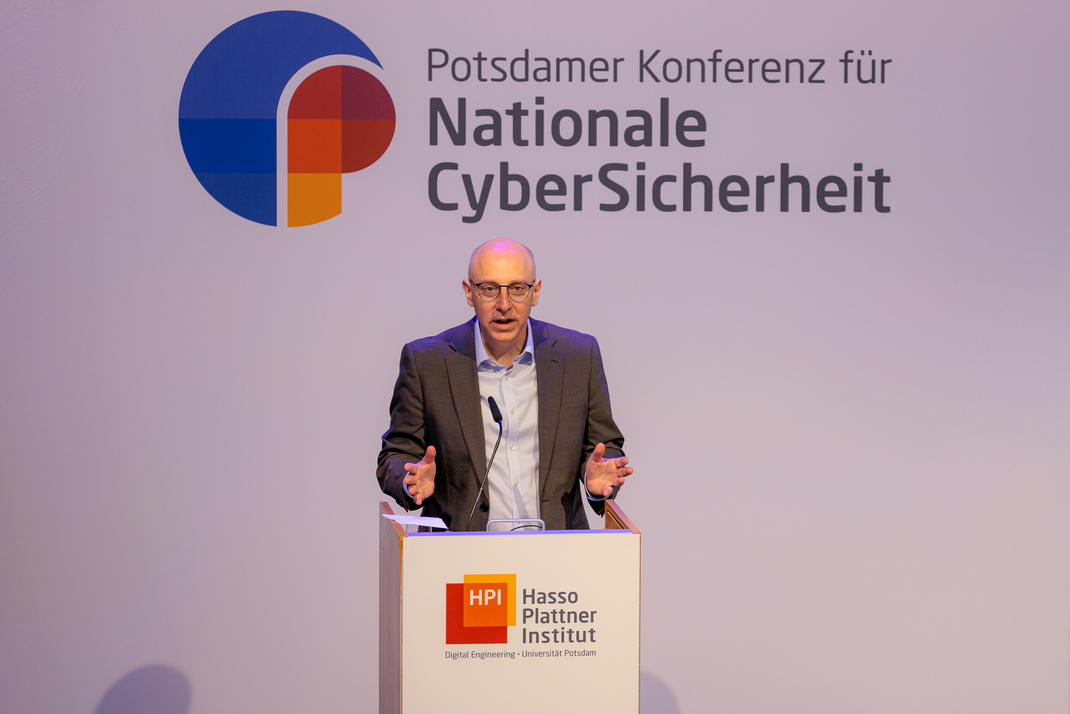
Sinan Selen, President of the Federal Office for the Protection of the Constitution, spoke in his keynote address about cyber defense as a strategic asset in a geopolitically charged environment. He stressed the need to maintain a presence in cyberspace and take preventive action against threats. Only in this way can we identify threats early on and counter them effectively – rather than merely reacting when it is already too late. "It’s not enough just to discuss the situation; we have to shape it." After all, potential attackers only need to succeed once, whereas defenders must succeed every time.
Martina Link, Vice President of the Federal Criminal Police Office (BKA), also provided insight on the ongoing threats and effective countermeasures in her keynote address: Cybercrime in the Crosshairs. She noted that cybercrime is becoming more professional, with state-sponsored actors posing an increasingly dangerous threat, and that targeted attacks on democratic structures are on the rise. This makes it all the more important to rethink existing structures, improve responsiveness, and strengthen cross-institutional cooperation.
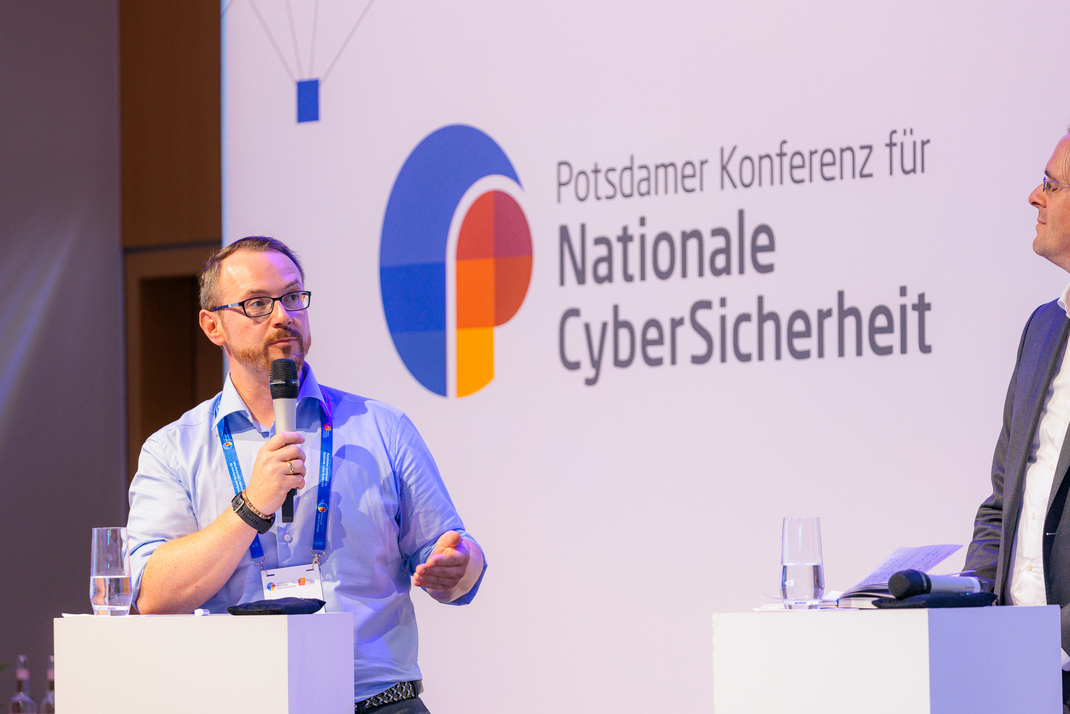
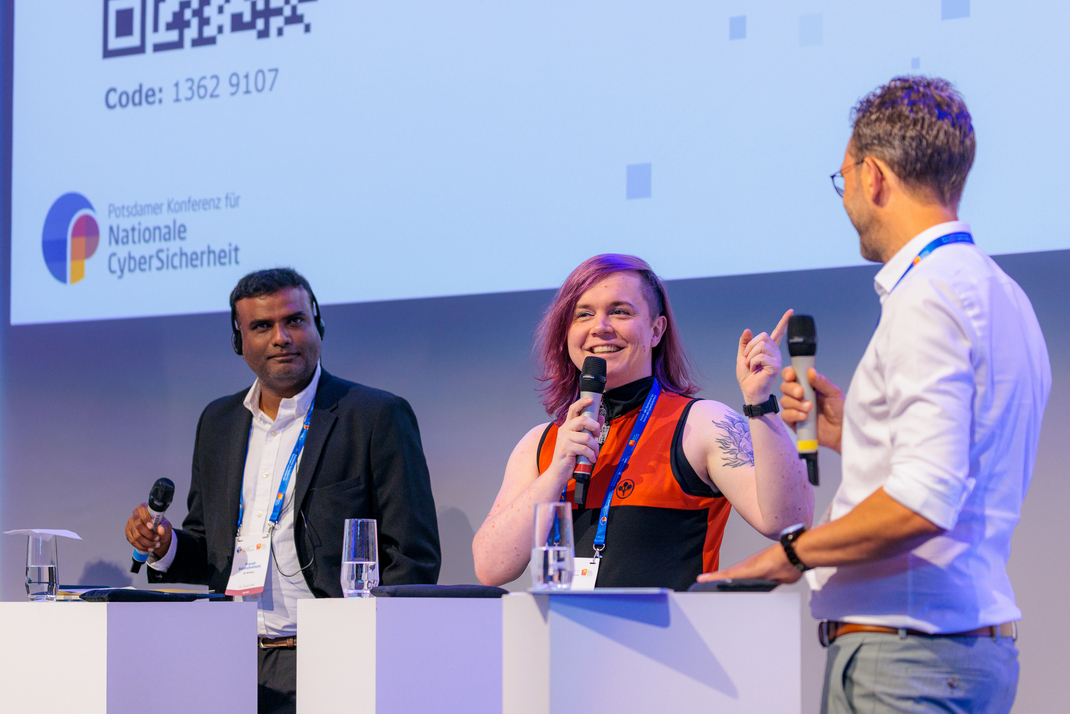
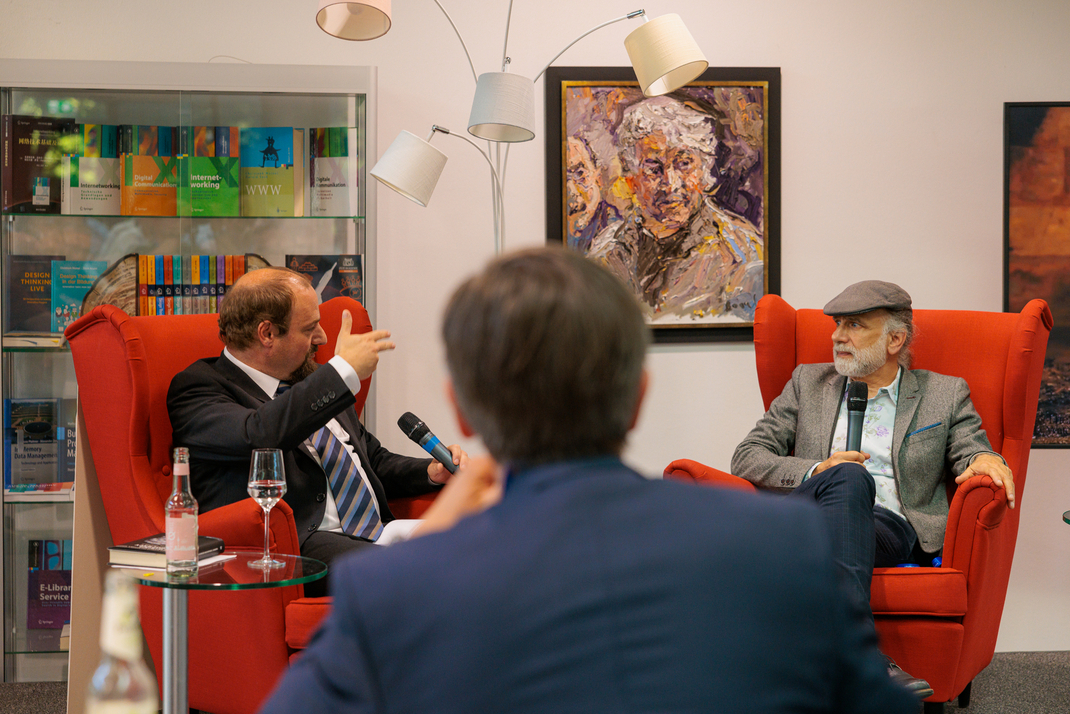
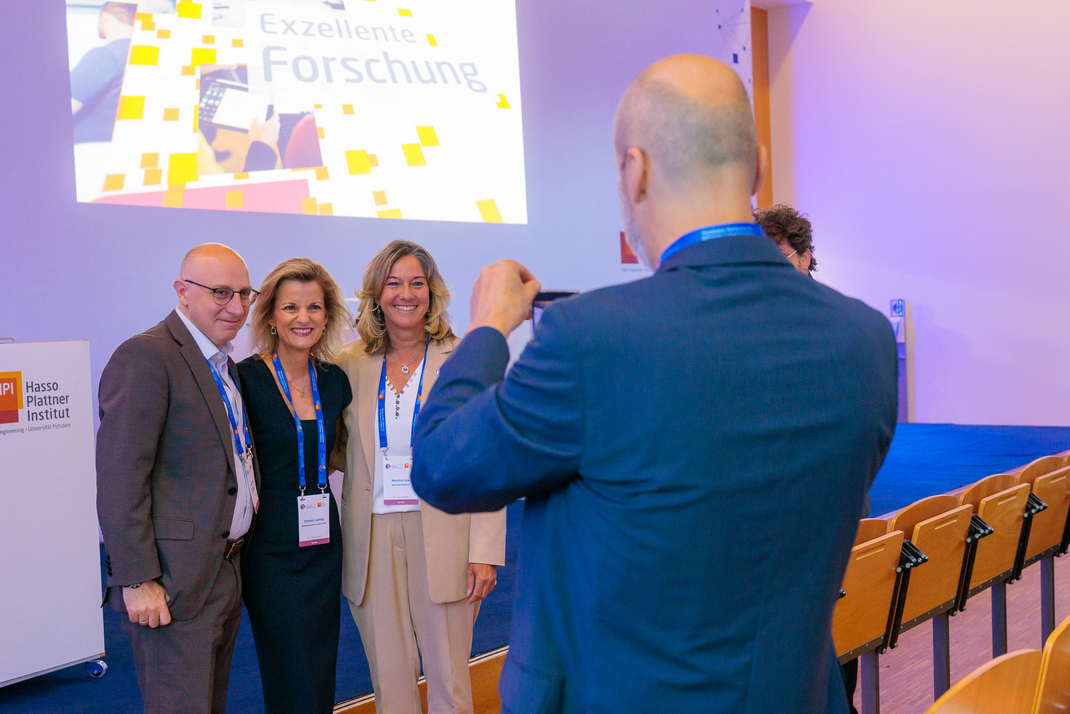
Photo Gallery Day 1 (Photos: HPI/Reinhardt & Sommer)
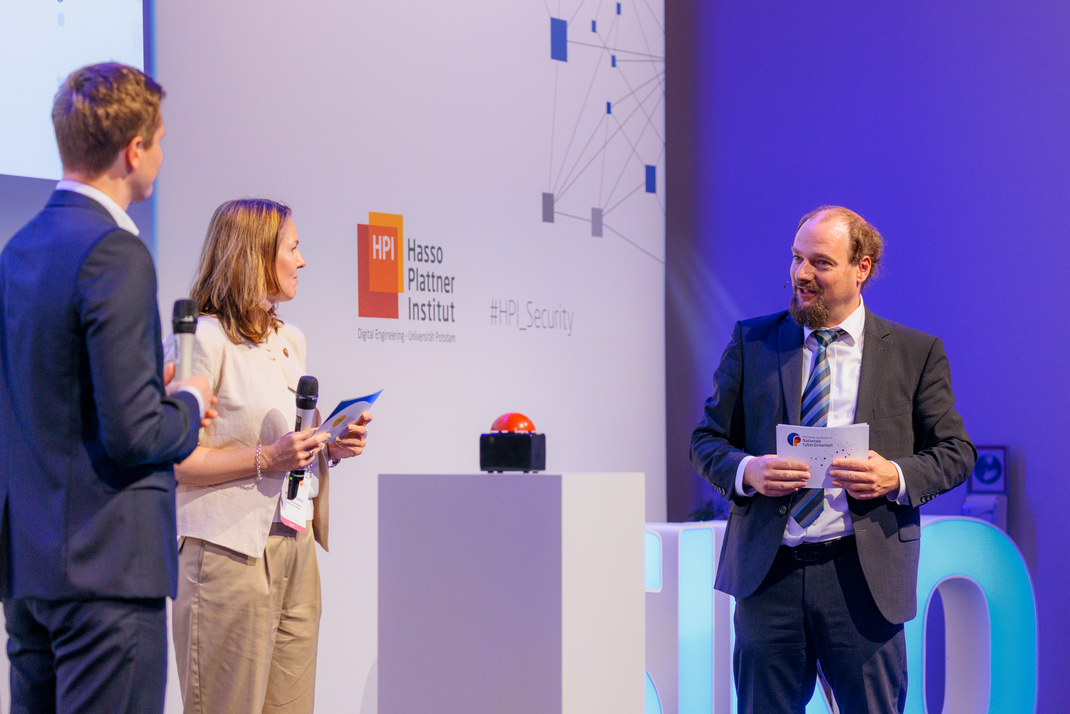
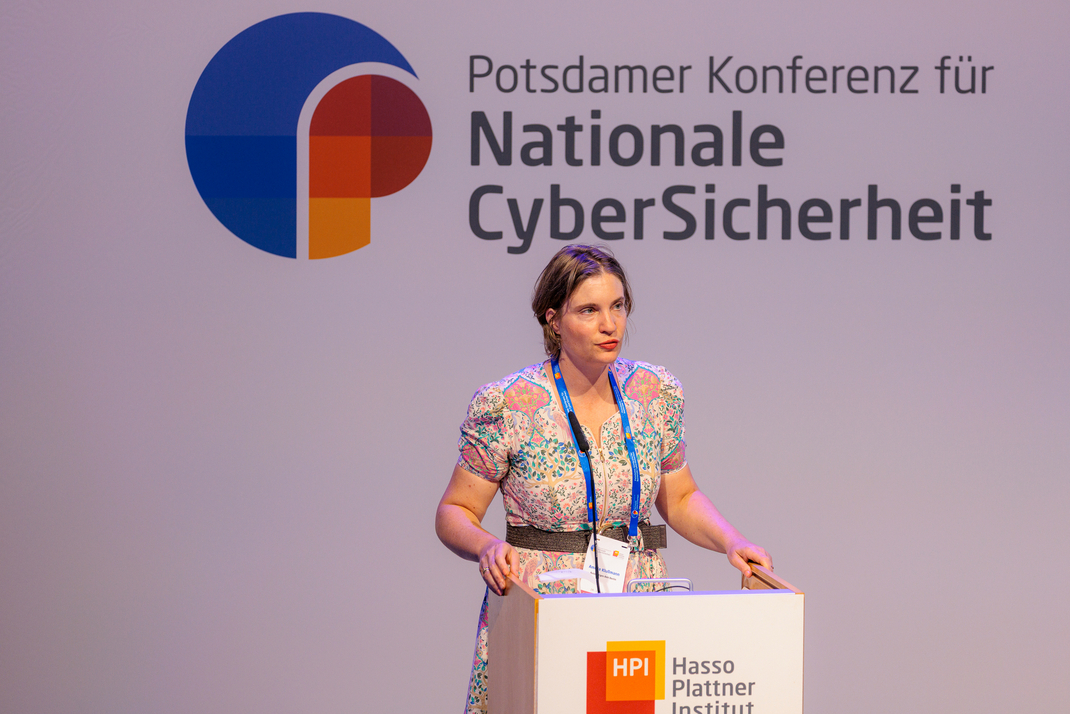
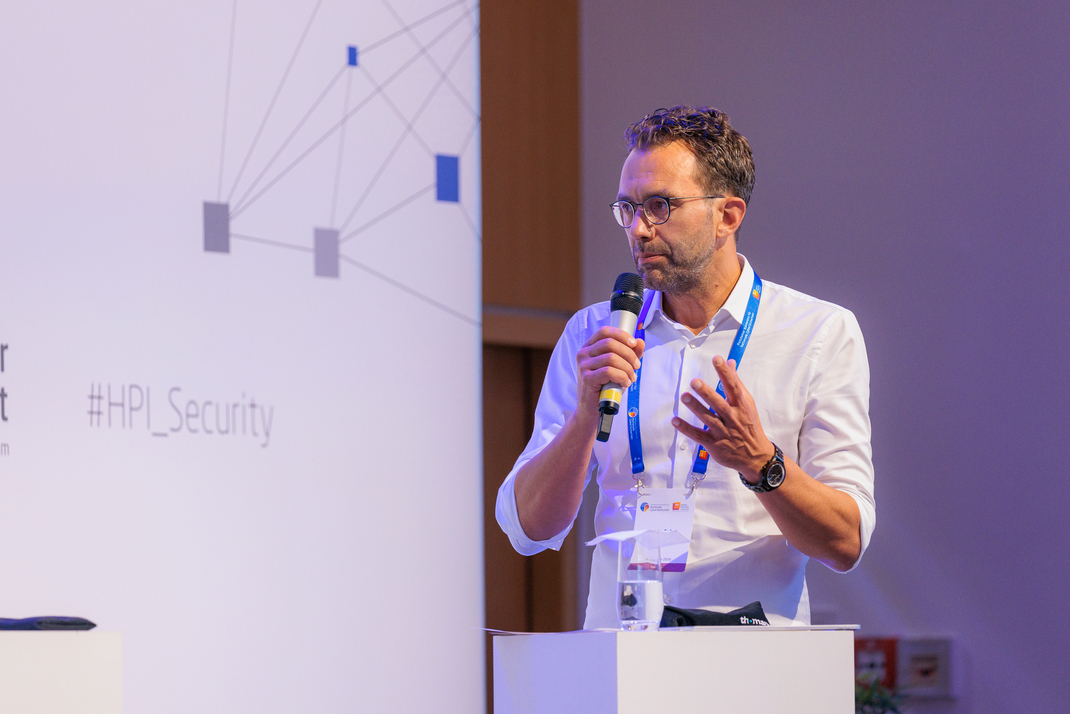
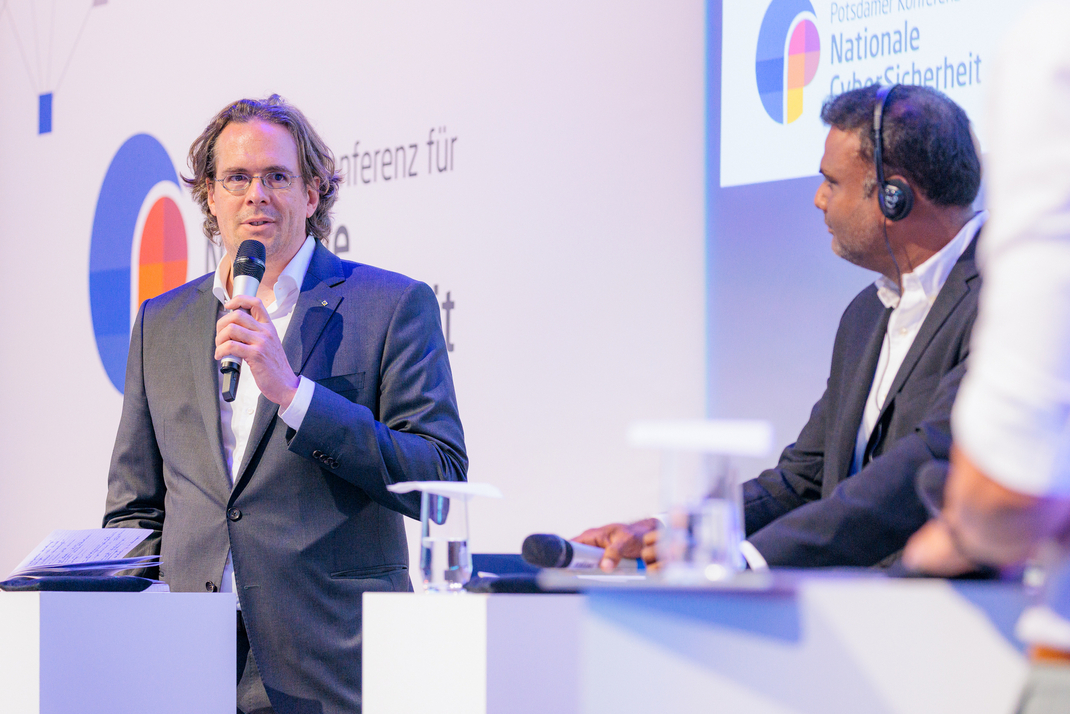
AI accelerates the threat
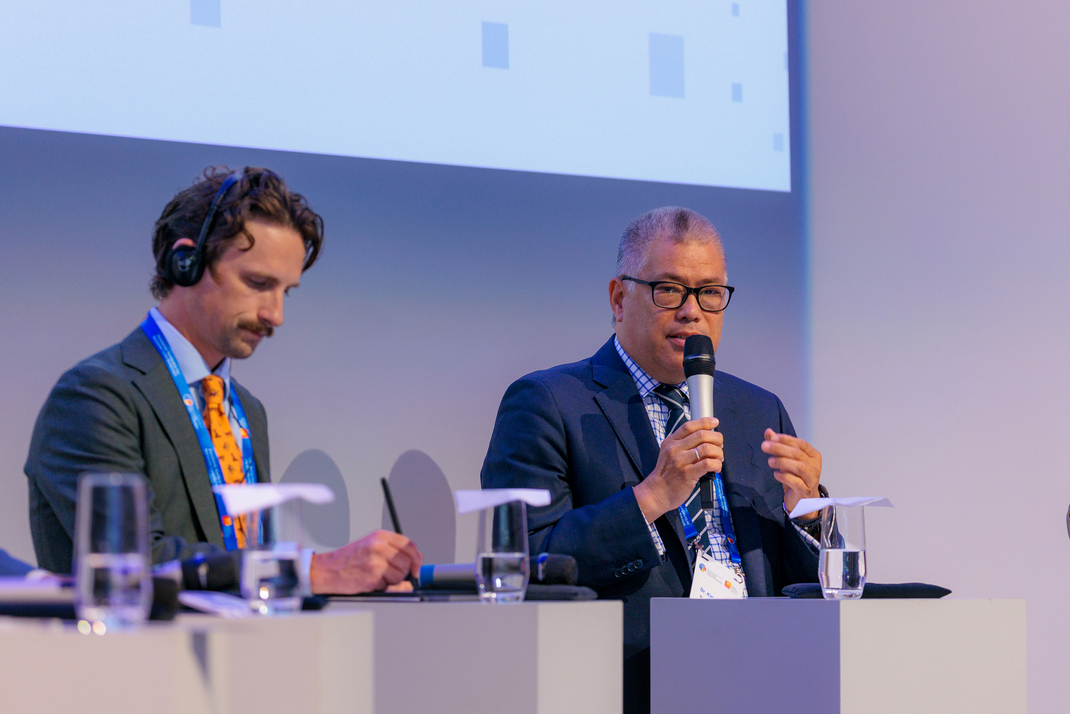
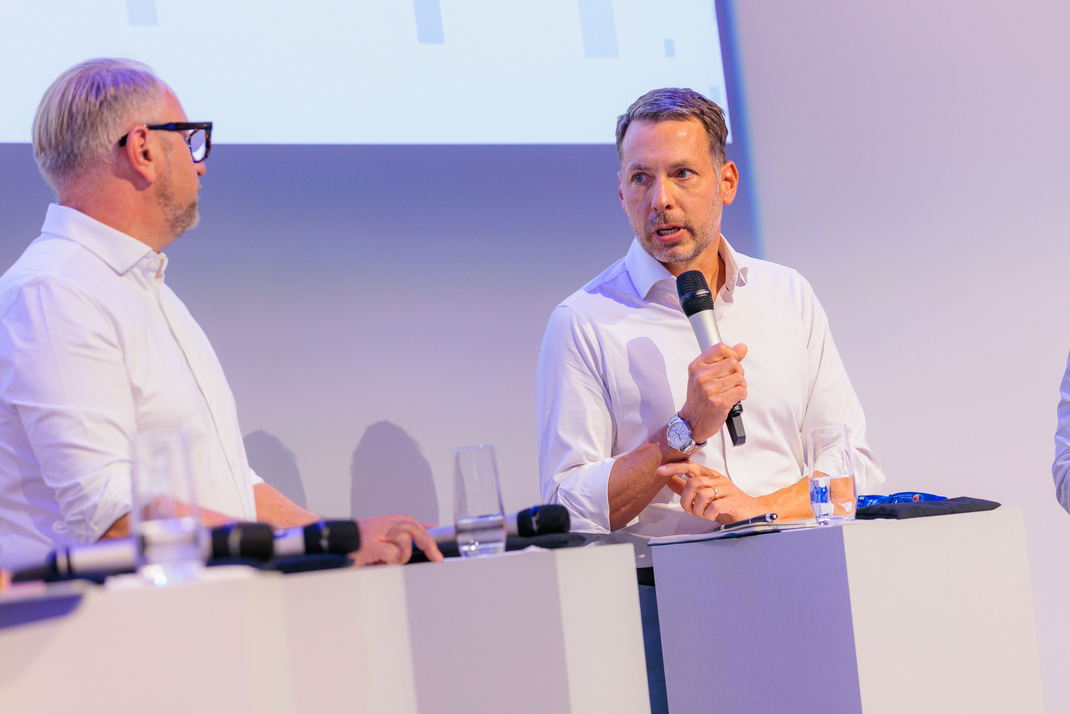
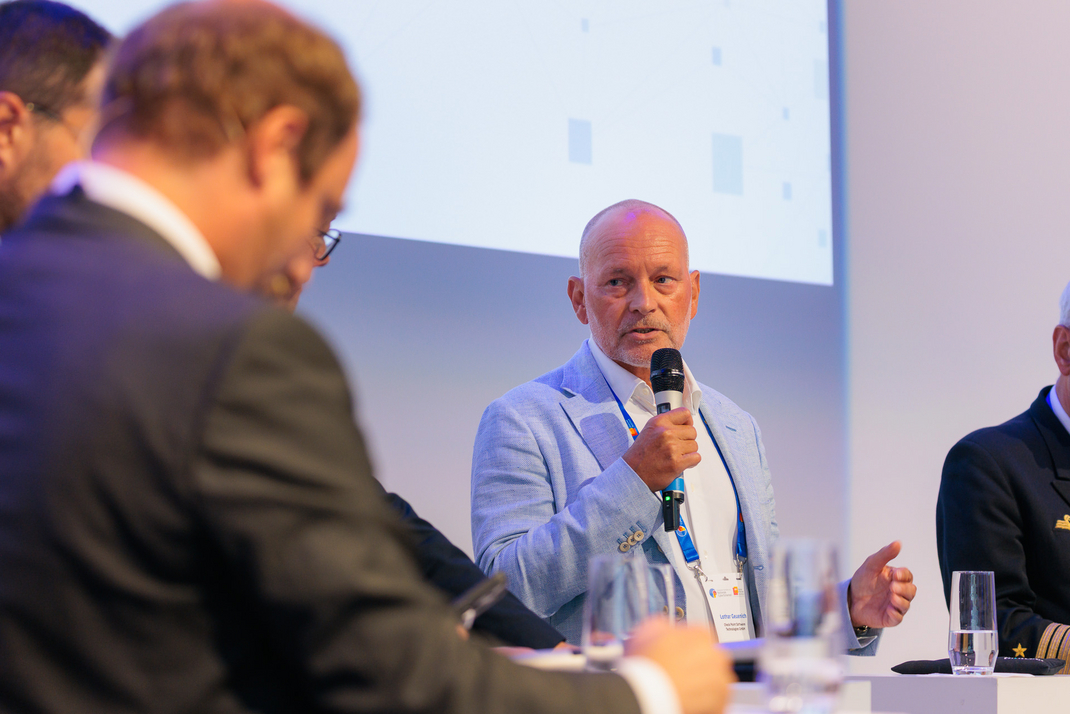
During the panel discussion, "Ransomware and AI – The Threat Landscape in 2026," it became clear that while AI brings new challenges and accelerates the threats, the cornerstones of cybersecurity remain. Companies should have backups and robust recovery plans in place for emergencies and test them regularly. AI, like other tools, must be understood, and expertise in it must be cultivated, both to safeguard against threats and to be able to use it for one’s own purposes. Those who implement AI in their companies too hastily out of fear of missing the trend risk greater damage, especially with agent-based AI.
These assessments were also reflected in the subsequent press conference featuring BSI President Claudia Plattner, BKA Vice President Martina Link, BfV President Sinan Selen, and conference host Prof. Christian Dörr. Plattner advocated for national capacity-building to deal with the new, powerful AI models and, by extension, to identify and fix one’s own security vulnerabilities. "With AI, we are just at the beginning of what lies ahead."
Scientific Espionage Threatens Research and Teaching
We need to further raise awareness – especially in scientific institutions – about security vulnerabilities caused by espionage from other countries. "We are not yet at the same level of awareness in research and teaching as we are in the business sector," Selen said at the press conference. Protecting research institutes from scientific espionage is also a particularly challenging task because these institutions thrive on openness and collaboration, Prof. Dörr noted.
New feature of the Identity Leak Checker: Infostealer Logs
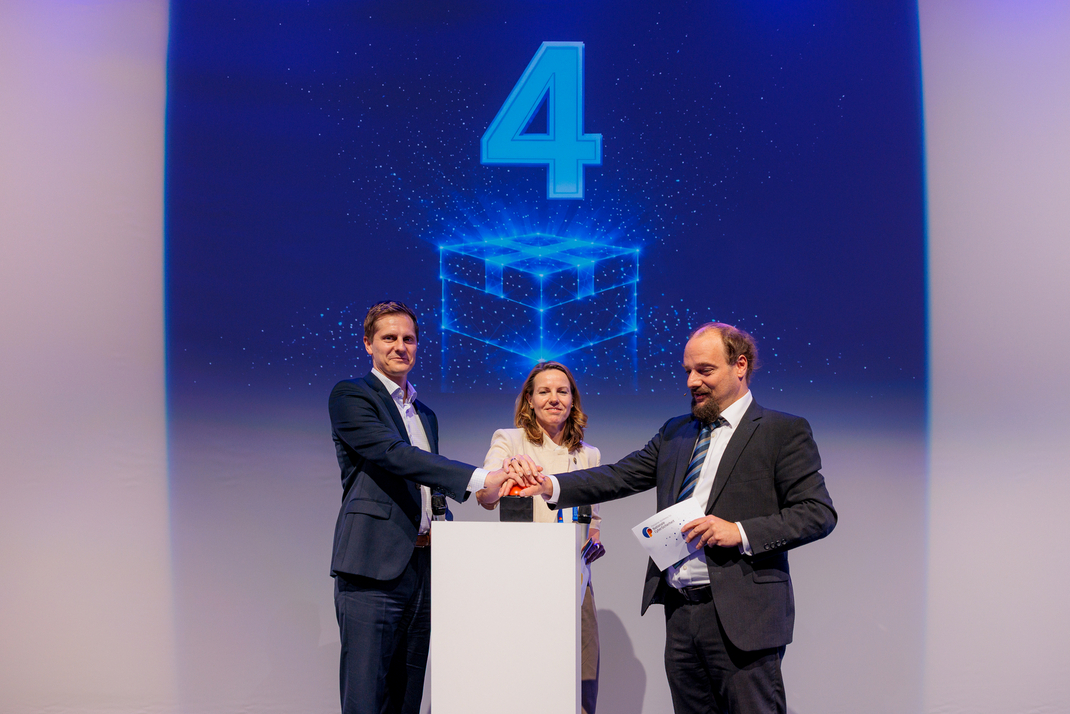
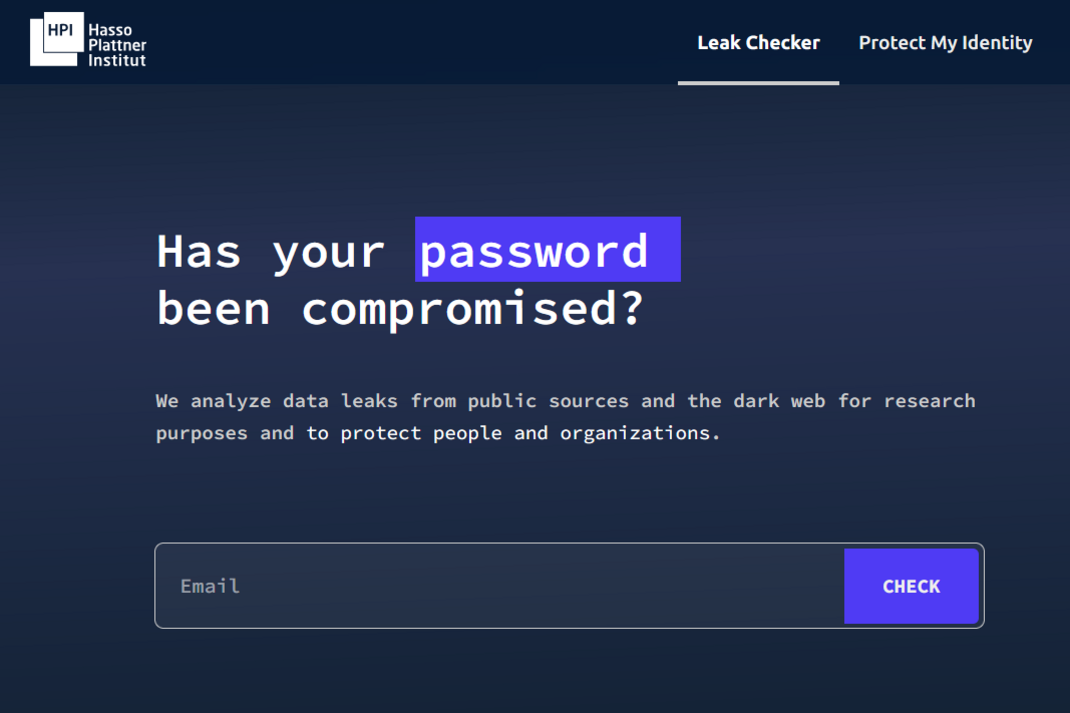
During the conference, host Prof. Christian Dörr officially announced the relaunch of the HPI Identity Leak Checker (ILC). This online tool allows users to check whether their personal information has appeared in data breaches or criminal sources. A new addition is what are known as "infostealer logs." These are data sets that have been extracted by malware from infected devices.
Current figures illustrate just how prevalent the threat is: according to Prof. Dörr, the ILC now contains 18.9 billion stolen identities. Baden-Württemberg has been making extensive use of the tool for some time and makes it available to municipalities, schools, and small and medium-sized enterprises, among others. The state of Brandenburg has now also joined as an active user.
Digital Sovereignty: "Not Easy, but Manageable"
Government agencies, too, must quickly develop the expertise to use and evaluate AI. "Doing without these tools is not an option," emphasized Wilfried Karl, president of the Central Office for Information Technology in the Security Sector, in his keynote address: "Strategic Risks: How Security Authorities Can Maintain Their Sovereignty."
Nevertheless, many are dependent on a handful of global providers. The loss of technological sovereignty carries a multitude of risks. What happens if AI systems are no longer available, as in the recent case of the suspension of AI models by the U.S. company Anthropic? Do security agencies have the technological tools necessary to fulfill their mission?
According to Karl, agencies must ask themselves: What core capabilities are needed, and which ones do we want to develop ourselves? This challenge is "not easy, but manageable." Actively shaping standards is an important component of strategic security policy. Whoever defines the standards has control, Karl said.
"Deutschland-Stack" aims to simplify administration
Dr. Markus Richter, State Secretary at the Federal Ministry for Digital Affairs and State Modernization, spoke in his keynote address, "Cybersecurity: A Driving Force for Digitalization and State Modernization," among other things, about "Deutschland-Stack," a sovereign, national technology platform for digital projects in Germany.
By 2028, the federal government aims to create a unified and secure IT infrastructure for public administration. Richter stated: We in Germany have no reason to be shy about our digital innovative capabilities. We just need to scale up our efforts even further. "I am convinced that when it comes to ‘Frontier AI,’ we will not only be part of the conversation but we will be among those leading it."
Photo Gallery Day 2 (Photos: HPI/Reinhardt & Sommer)
More news


Last change: 02/07/2026, Mareike Schreiber