
You can start an informed discussion about compilers with the people at the next table in any café.
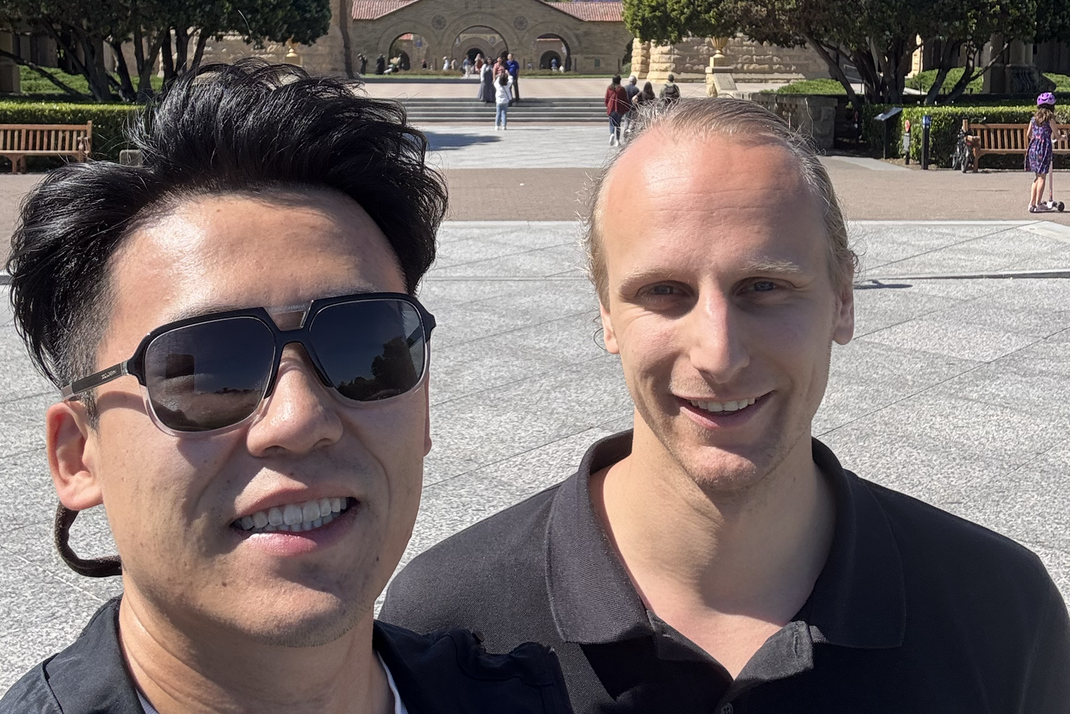
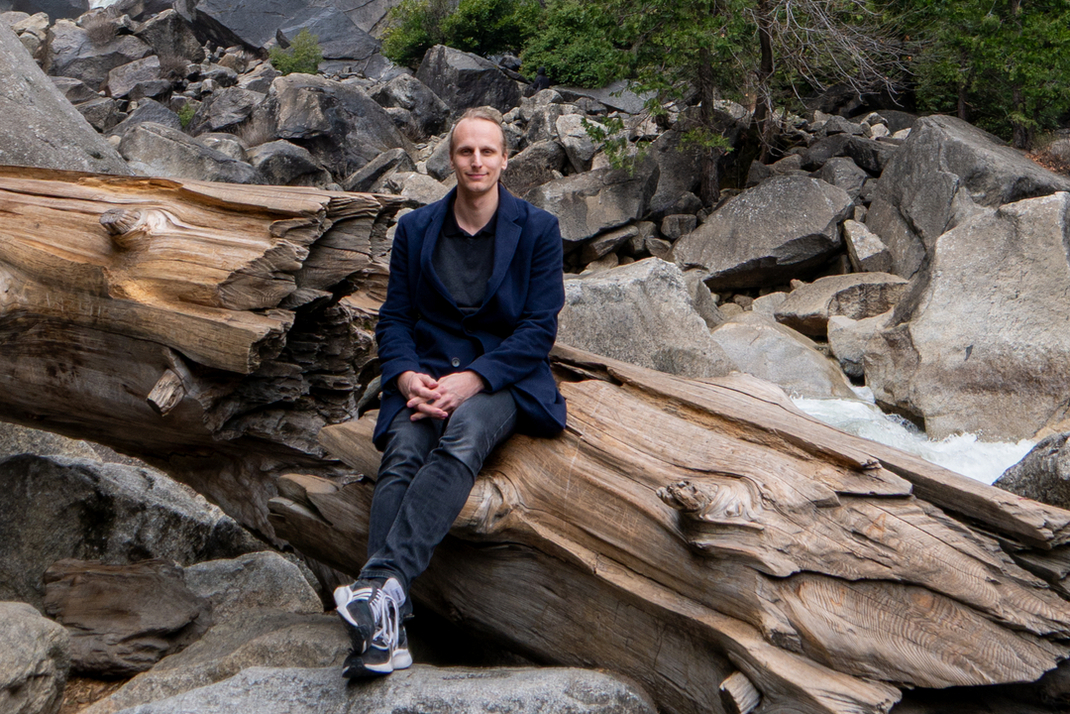
This is how HPI doctoral researcher Martin Taraz sums up what life and study at Stanford feel like. But Martin, of course, did not stop at intellectually demanding café conversations. On the Californian campus, he worked on the project “AI-Assisted Fabrication Tools.” It is one of five subfields in the research collaboration between HPI and Stanford University.
The idea behind it: “Many non-experts can design models whose shape looks right,” says Martin. “The greater challenge lies in designing models in such a way that they can be printed and still retain their mechanical function.” Martin spent four months at the Stanford Institute for Human-Centered Artificial Intelligence (HAI).
Detecting errors before printing begins
Together with Prof. Maneesh Agrawala and PhD student Jiaju Ma, Martin Taraz investigated how large language models (LLMs) can check 3D models. The goal is for them to provide indications of potential errors before printing starts. This would allow users to recognize earlier whether a model is too thin in certain places, whether moving parts might become blocked, or whether loads could endanger a component.
The project builds a bridge between two areas of research: on the one hand, digital fabrication — the path from design to physical object. On the other hand, AI methods that analyze complex structures and support decision-making.
A mecca for technology enthusiasts
When Martin was planning his stay at Stanford, he hoped for a campus full of people enthusiastic about technology. Stanford and Silicon Valley did not disappoint. For him, the time there was shaped by a sense of openness that could be felt everywhere: conversations about research, technology, and new ideas accompanied both everyday work and leisure time.
In Stanford, life and work are closely intertwined. Many activities take place directly on campus: sports, concerts, shared meals, and communal living. Those who enjoy volleyball, tennis, or swimming do not have to leave campus.
Trail running in the Californian sun
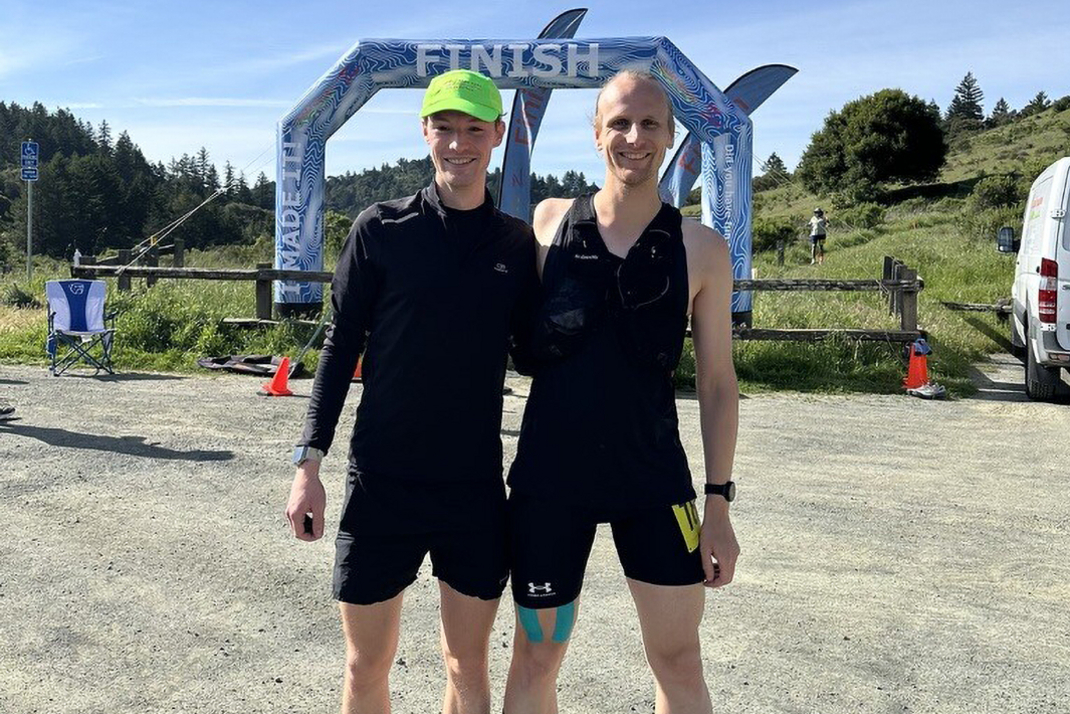
Martin’s way of balancing out everyday research life was running. The area around Stanford offers numerous routes for trail running. The Californian weather made it easy for him to spend time outdoors regularly. In April, he even came second in the 5-mile distance at the “Horseshoe Lake Trail Run.”
Alongside the research and his sporting achievements, it is above all the encounters at Stanford that Martin will remember: “I met many wonderful new friends there and hope they will stay with me long after the exchange,” he says.
After four months, he returns to Potsdam with new professional impulses, fresh perspectives, and personal memories. His stay shows how international research advances ideas: at the desk, on the trails around Stanford — and in conversations over coffee.