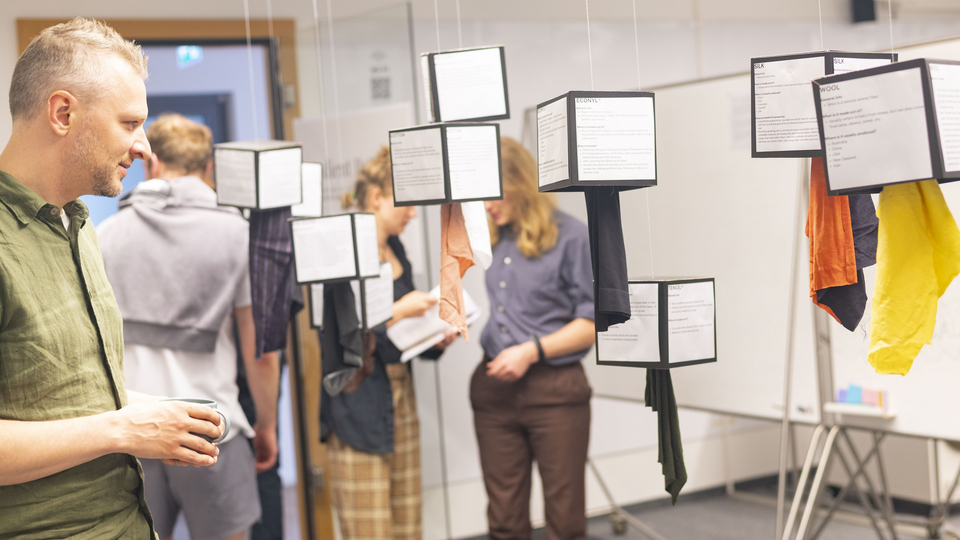
The Gradient Patterns project shows that the fashion industry can be made more sustainable through regenerative approaches and tailored cuts. The prototypes developed by the students show that well-fitting clothing is more comfortable. It is also returned less often, which in turn creates less waste. In addition, innovative materials such as recycled textiles offer a way to reduce the fashion industry's carbon footprint.
These approaches could help make the fashion industry more environmentally friendly in the future. The next challenge is to integrate these prototypes into production on a broader basis and encourage companies in the fashion industry to incorporate sustainability into their production processes. In the long term, this could lead to a reduction in fashion waste and a more conscious consumer culture.
Another goal of the Gradient Patterns project is to establish sustainable materials and innovative cuts beyond niche markets. These should also be made accessible for mass production. By integrating these approaches into larger fashion houses and production chains, a change towards more environmentally friendly and responsible processes could be initiated in the fashion industry.