Project Case

Gütersloh and the “Digital Trial City”

Intro

Design Thinking opens up new avenues for digital education

The city of Gütersloh was looking for an innovative concept to make digital education more accessible – especially for people who had little previous exposure to digital topics. Under the name “Digitale Probier-Stadt” (Digital Trial City), a prototype was developed at the HPI d-school that introduces people to new technologies in a playful way in familiar surroundings.

Project partner

Challenge

The design challenge in this project was as follows: "Develop innovative municipal educational programs on digital topics for people with little digital affinity in Gütersloh!”

Starting point

The aim of this project was to develop a format that better meets the digital learning needs of people with little affinity for digital topics. The city administration of Gütersloh teamed up with the adult education center (VHS) and the HPI d-school for this purpose. Together, we examined how the existing offerings could be optimized and adapted to the actual needs of the people. To this end, five students from the HPI d-school worked on a solution for 16 weeks under the guidance of a design thinking coach.

“The task was to bring digitalization closer to citizens in a way that appeals to them and takes their individual needs into account,” explains Carsten Schlepphorst, Deputy Mayor for Digitalization, IT, Organization, and Human Resources for the City of Gütersloh. For the project team, this meant breaking down existing barriers and creating positive, low-threshold access points.

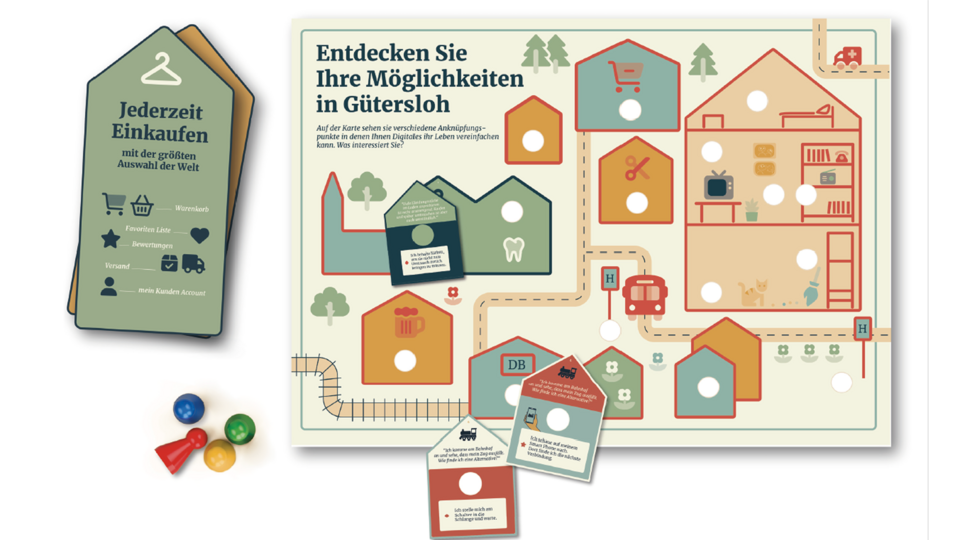
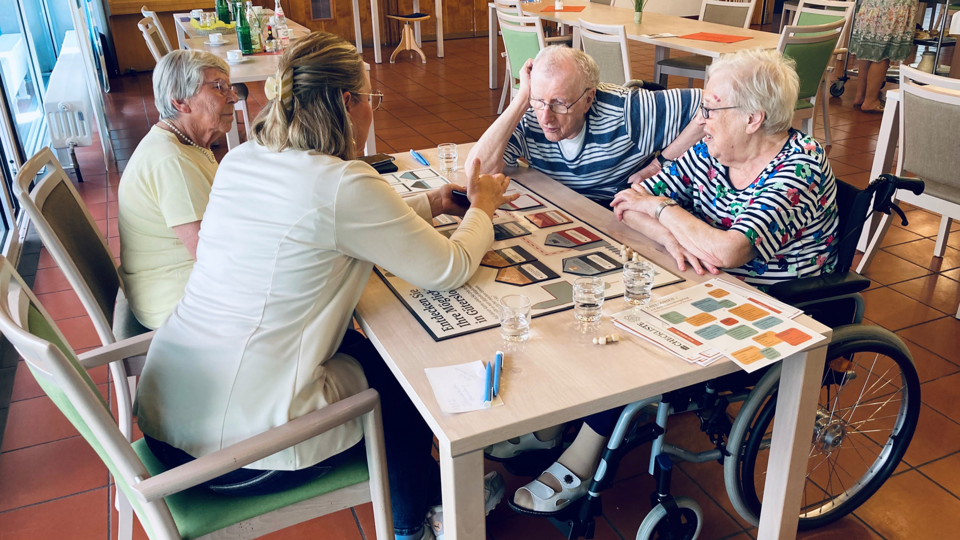
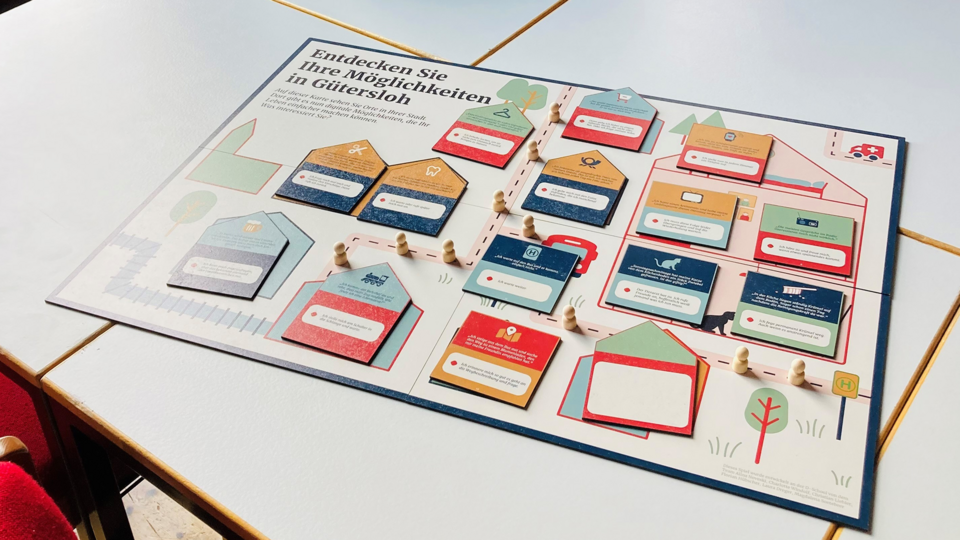
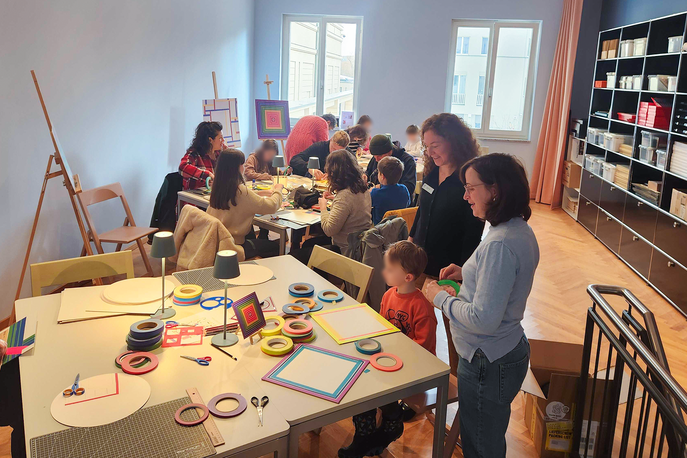
The concept developed, “Digital Trial City,” aims to meet citizens with little digital experience in a familiar environment. Instead of sending them to unfamiliar places with strangers, the educational program comes to them. “The concept envisages that the courses take place in familiar surroundings such as club rooms or community centers,” explains Henning Matthes, First Deputy Mayor of the City of Gütersloh, who is also responsible for family, youth, schools, social affairs, and sports.

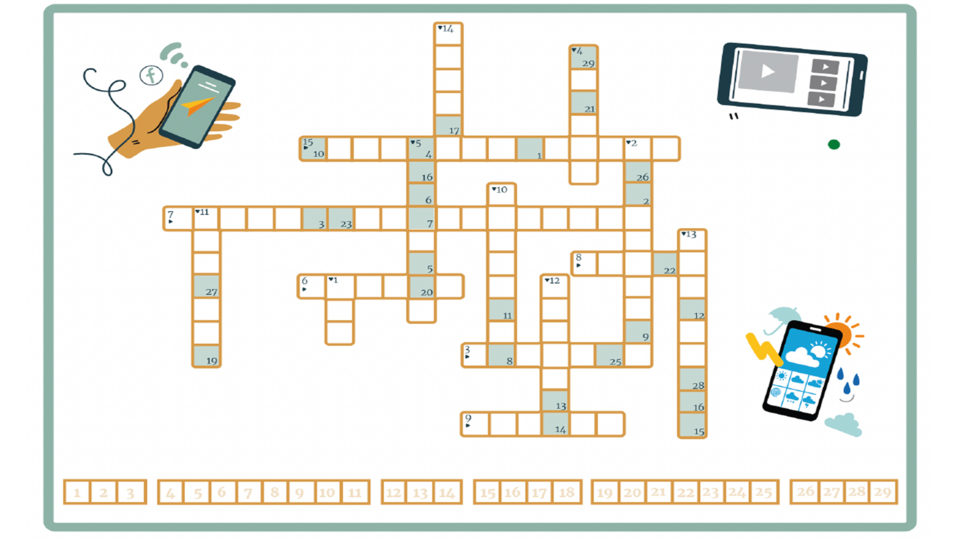
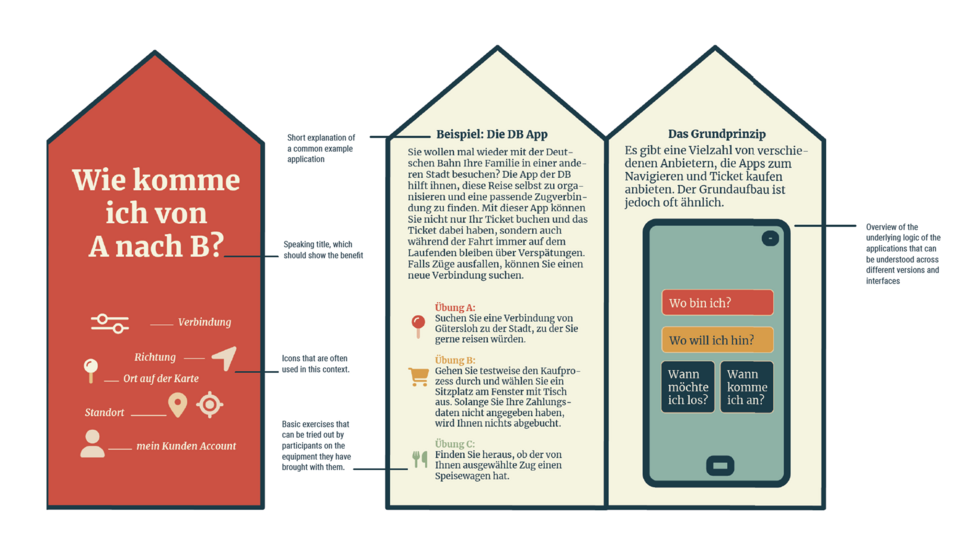
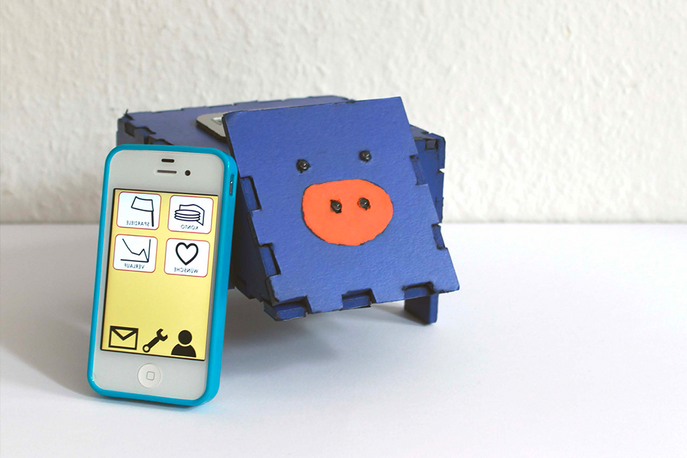
The central element of the format is tutors who come to the familiar surroundings of the respective group with suitcases. The suitcases contain tablets, sensors, or simple applications for using digital services, tailored to the knowledge level and specific needs of the group. During the course, participants have the opportunity to discover the content in a playful way and overcome their fears of technology. A relaxed, open environment ensures that access to digital topics is a positive experience.

“For many people, their first encounter with digital technologies is a hurdle. By presenting the content in a playful setting, we took away their fear and ensured initial successes,” explains Dr. Dennis Köthemann, educational director at VHS Gütersloh.

  • Use Case Digitale Probierstadt Gütersloh
  • Use Case Digitale Probierstadt Gütersloh
  • Use Case Digitale Probierstadt Gütersloh
  • Use Case Digitale Probierstadt Gütersloh
  • Use Case Digitale Probierstadt Gütersloh
  • Use Case Digitale Probierstadt Gütersloh

Aha moments

The Design Thinking methodology enabled deeper insights into the needs of citizens to be gained during the course of the project. During the initial interviews and workshops, it quickly became clear that the success of the project depended largely on how accessible and comprehensible the offerings were. The emotional component plays a particularly important role for people who find technology challenging. The HPI d-school students found that patience and understanding are crucial factors for learning success.
In addition, the following key findings emerged for project development:

  1. Participants need emotional support and confirmation of their progress to stay motivated.
  2. Simple, clear instructions alleviate the feeling of being overwhelmed by complex technical terms.
  3. Trying something out immediately is the strongest motivator and leads to genuine interest.
  4. The events should take place in a familiar environment to reduce additional inhibitions.

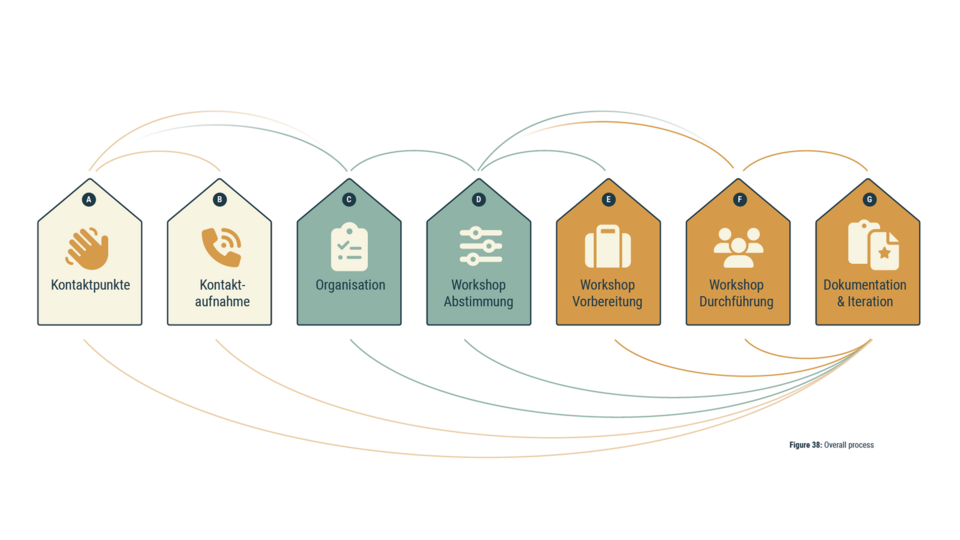
Implementing the “Digital Trial City” format requires careful logistical planning. The suitcases contain all the materials needed to teach digital topics in a playful way on site. This gives participants the opportunity to try out the devices and familiarize themselves with the content at their own pace. During the courses, learning progress is documented and participant feedback is used to continuously improve the materials and course content.
"What makes this approach special is that we introduce participants to digital topics step by step without overwhelming them. The mobile cases are a kind of toolbox that allows us to flexibly adapt the offerings to the respective needs,“ says Köthemann, describing the concept.

Impact

With 433 participants to date, the “Digital Trial City” is having a significant impact. The concept has gained traction beyond Gütersloh and is already being adopted by other municipalities and educational institutions. 

Scientific monitoring through interviews conducted as part of a master's thesis also confirms that after visiting the trial city, attitudes toward digital topics are noticeably more positive, and participants are more likely to actively engage with them – a lasting contribution to digital participation.
 

Newsletter

Sign up for our newsletter and receive the latest updates about the HPI d-school directly in your mailbox.

Register here

More Use Cases

  • Use Case
    VoiceChain - Foundations for Design Thinking
    What happens when voices can be cloned to sound deceptively real, and no one can be sure what’s truly authentic anymore?
    • Academic Programs
    • Design Thinking
    • Innovation
  • Use Case
    CO₂ offsetting is considered a key tool in climate protection – yet many people barely understand how it works. Students developed a playful format to raise awareness among company employees about emissions.
    • Academic Programs
    • Design Thinking
    • Sustainability
  • Use Case
    HPIdschool Use Case Ecosia Team 4 Planet Plates
    What do search engines and food have in common? Students designed a tool for Ecosia that nudges users towards climate-friendly nutrition.
    • Academic Programs
    • Design Thinking
    • Sustainability
  • Use Case
    Montessori - Plan M - MonteLab
    How can children be involved in designing their school right from the start? In a new Montessori school in Neumarkt, kids were able to incorporate their own ideas.
    • Academic Programs
    • Design Thinking
  • Use Case
    Use Case Design Thinking Museum Barberini
    How can a traditional art museum cater to the interests of young people? In the Museum Barberini, digital and analog tools are combined to create inspiring and immersive creative experiences.
    • Academic Programs
    • Design Thinking
    • Innovation
  • Use Case
    In collaboration with the Würth Elektronik eiSos Group, we developed innovative new work concepts, whose solutions were integrated into the new High-Tech Innovation Center at the company's site in Munich-Freiham.
    • Academic Programs
    • Design Thinking
    • Innovation
  • Use Case
    Use case rethink vacuuming Robert Thomas AG
    How can vacuuming become more hygienic, easier – and even enjoyable? Students from HPI d-school joined forces with Robert Thomas AG to rethink vaccuming.
    • Academic Programs
    • Innovation
    • Design Thinking
  • Use Case
    Use Case Digitale Probierstadt Gütersloh
    The city of Gütersloh was looking for a concept to make digital education more accessible. A team developed the “Digital Trial City” prototype, which introduces people to new technologies.
    • Academic Programs
    • Design Thinking
    • Digital upskilling
  • Use Case
    Prototype Hans
    A cold entrance area without orientation and work opportunities? A team from the HPI d-school developed a solution that makes libraries more modern, functional and inviting.
    • Academic Programs
    • Design Thinking
  • Use Case
    How an AI lab and a chatbot connect SMEs and startups – for real solutions instead of just buzzwords. A project with the KI-Service Zentrum Berlin-Brandenburg.
    • Design Thinking
    • Academic Programs
    • Artificial intelligence
  • Use Case
    Policy Transformation Lab
    Together with the Teufelsberg KG investment company, we developed solutions for utilizing the Teufelsberg. In the end, a concept for a Policy Transformation Lab was developed to inspire political change.
    • Academic Programs
    • Design Thinking
    • Sustainability
  • Use Case
    Simulation Routen Guide
    Spontaneously to Lübben - and then? A digital scavenger hunt makes exploring the town easier and more exciting. A team from the HPI d-school developed a playful solution for guests and locals.
    • Design Thinking
    • Academic Programs
  • Use Case
    Man holds smartphone
    Company cars are a thing of the past - modern business travelers need flexible alternatives. A team from the HPI d-school developed an app that combines different modes of transportation and makes mobility more convenient.
    • Academic Programs
    • Design Thinking
    • Sustainability
  • Use Case
    Prototyp
    A digital piggy bank for children? What began as an idea for teenagers developed into a playful financial companion for younger children. The result: a clever solution with a real impact.
    • Academic Programs
    • Design Thinking

Contact

Do you have any questions? We will be happy to help you.