Project Case

Sustainable civil protection for the district of Meißen

Intro

Staying alert in the face of crises

In the district of Meissen, flooding, power outages, and supply shortages are real threats. How can citizens better prepare themselves and take responsibility? Together with the district of Meissen, Hörmann Warnsysteme GmbH and the Hasso Plattner Institute, a team of students from HPI d-school developed the interactive concept “Krisenfest” (“Crisis Proof”), which makes preparing for emergency situations a hands-on, collaborative experience. Parts of the concept were incorporated into the “Civil Protection Day” which took place in the district of Meißen for the first time in September 2025.

Watch video of the Disaster Control Day

Project partner

Challenge

How does a crisis communication system look that still works even when infrastructure fails—and not only warns people, but also empowers them to take action in an emergency? With this question in mind, the “KriKom-LK-MEI” project consortium of the Meissen district approached a team of students at HPI d-school. The goal was to develop a concept that makes use of the benefits of modern technology whilst at the same time empowering people to take responsibility for themselves and others in the face of crises.

Starting Point

The district of Meissen is repeatedly affected by floodings of the Elbe River, which can also lead to power outages and supply shortages. Sirens and warning apps do exist, however many people do not know how to respond in an emergency. Although the sirens emit warning signals, they do not enable any communication between the civilian population and the emergency services. Natural disasters are becoming increasingly threatening in light of the climate crisis, yet many people do not feel prepared for crises.

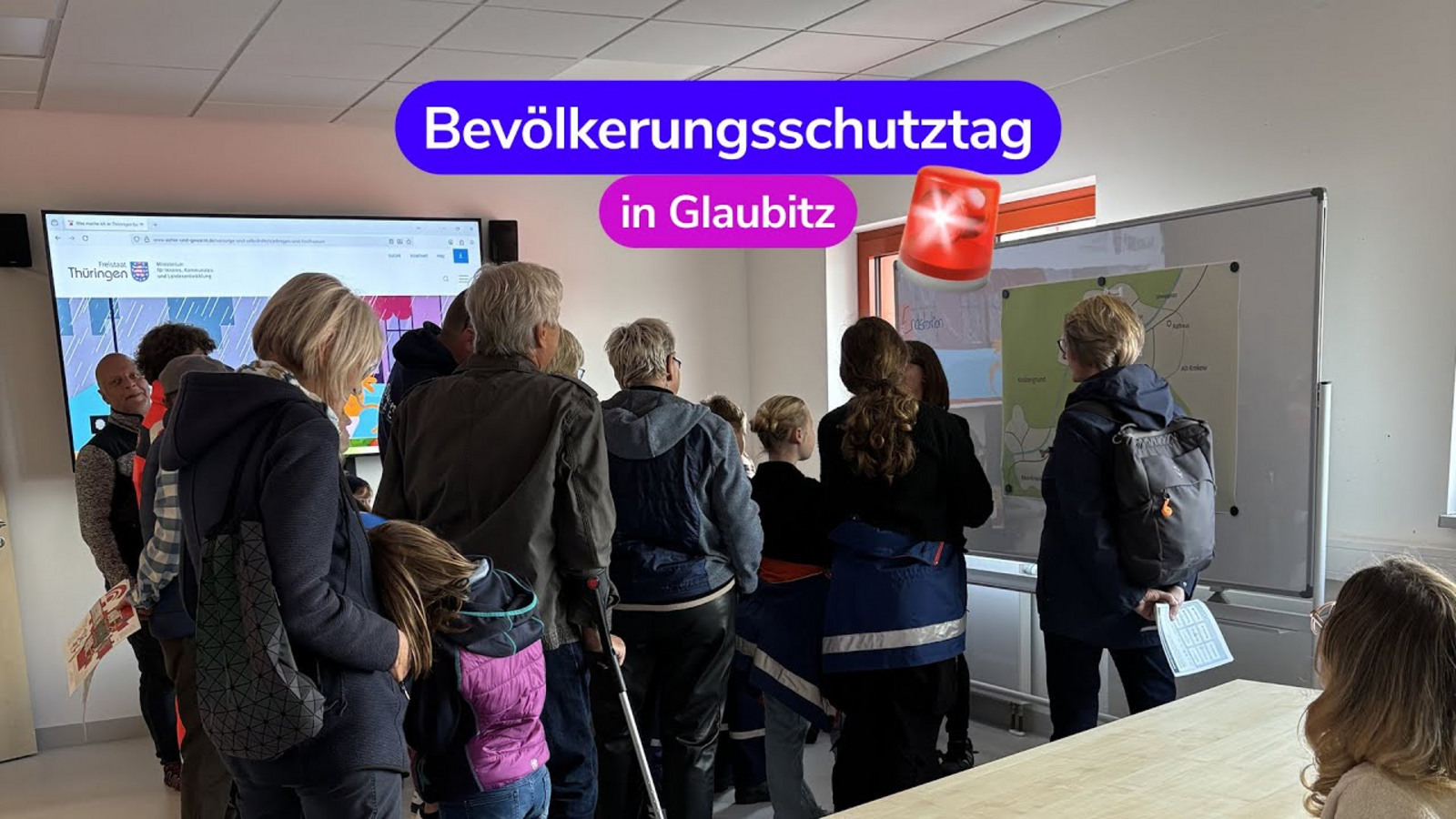
  • Bevölkerungsschutztag in Glaubitz, 27.09.2025
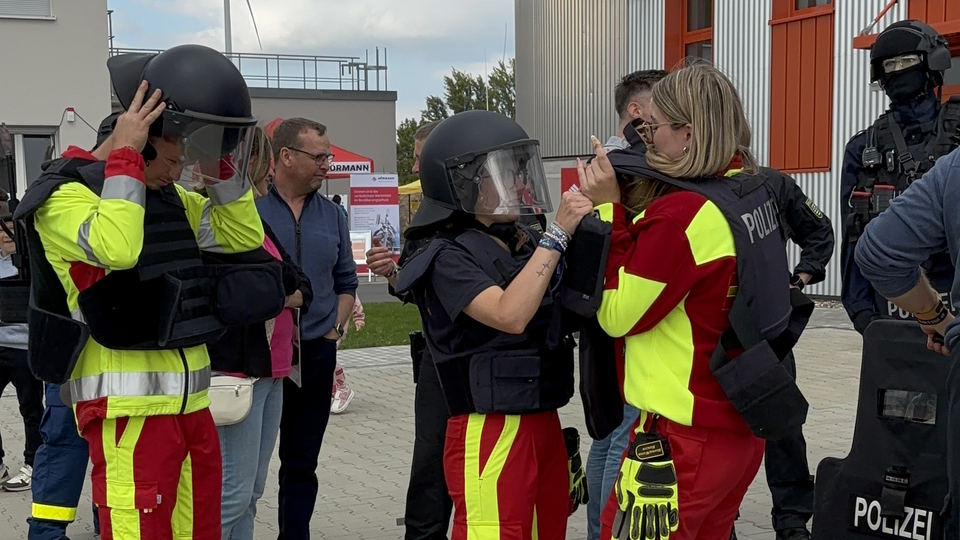
    Bevölkerungsschutztag in Glaubitz, 27.09.2025
  • Kri-KOM LK Meißen Prototyp Krisenfest
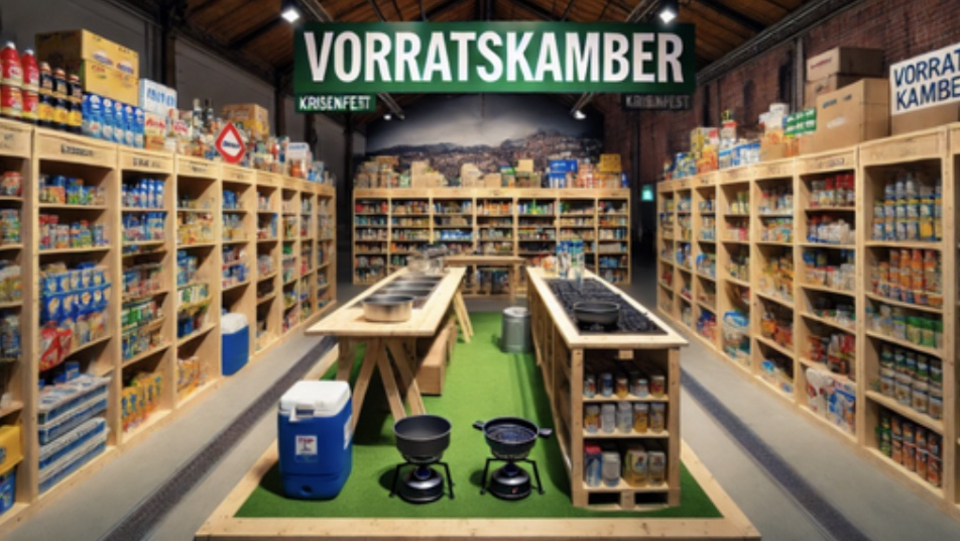
    Kri-KOM LK Meißen Prototyp Krisenfest
  • Kri-KOM LK Meißen Prototyp Krisenfest
    Kri-KOM LK Meißen Prototyp Krisenfest
  • Kri-KOM LK Meißen Prototyp Krisenfest
    Kri-KOM LK Meißen Prototyp Krisenfest
  • Kri-KOM LK Meißen Prototyp Krisenfest
    Kri-KOM LK Meißen Prototyp Krisenfest
  • Bevölkerungsschutztag in Glaubitz, 27.09.2025
    Bevölkerungsschutztag in Glaubitz, 27.09.2025
  • Bevölkerungsschutztag in Glaubitz, 27.09.2025
    Bevölkerungsschutztag in Glaubitz, 27.09.2025
  • Kri-KOM LK Meißen Prototyp Krisenfest
    Bevölkerungsschutztag in Glaubitz, 27.09.2025
  • Bevölkerungsschutztag in Glaubitz, 27.09.2025
    Bevölkerungsschutztag in Glaubitz, 27.09.2025
  • Kri-KOM LK Meißen Prototyp Krisenfest
    Kri-KOM LK Meißen Prototyp Krisenfest
  • Bevölkerungsschutztag in Glaubitz, 27.09.2025
    Bevölkerungsschutztag in Glaubitz, 27.09.2025

Aha Moments

The student team from HPI d-school analyzed existing alert systems and spoke with experts, emergency services, and citizens in the Meissen district.  They discovered that human-centered, sustainable crisis preparedness is the best way to prepare for crises. They were particularly pleased that citizens were very keen on learning to take action themselves. 

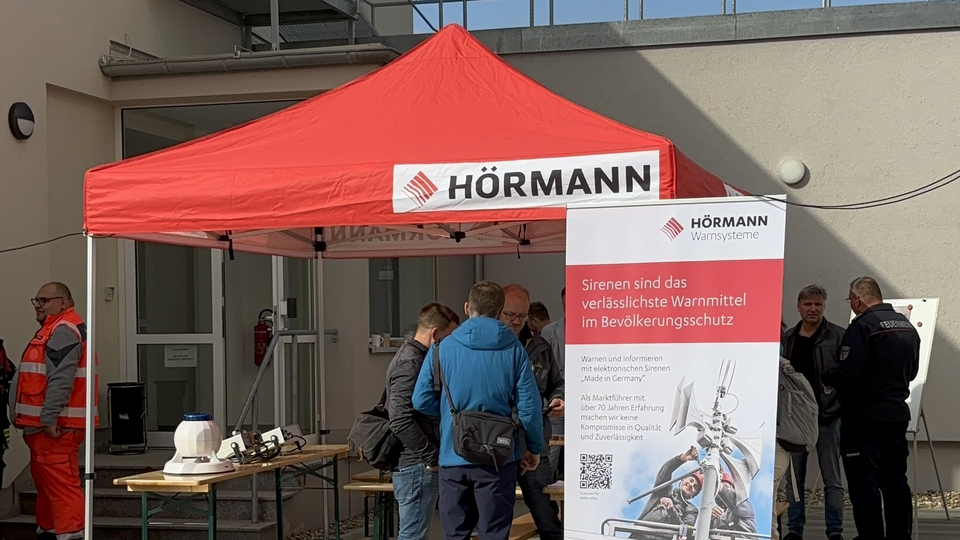
The students also wanted to incorporate a product innovation from project partner Hörmann Sirenen in the design of their prototype: a siren that uses smart technology to enable communication between emergency services and civilians.

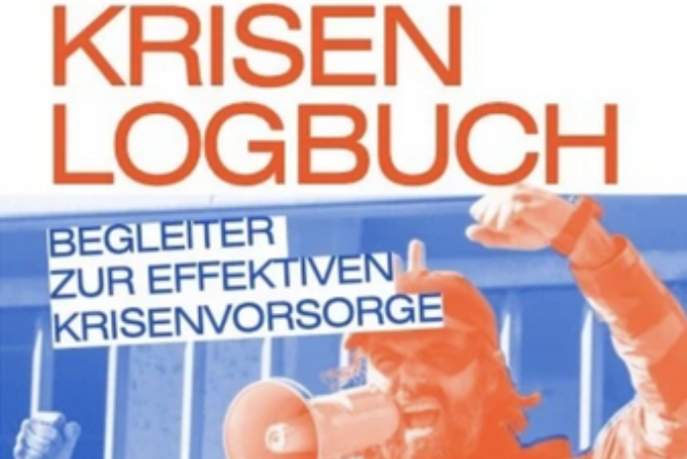
Based on these findings, the team developed the prototype “Krisenfest,” a playful event for civil protection and disaster control that promotes education and fosters a sense of community for both young and old. At various stations, visitors practice real crisis scenarios with experts. For example, they learn how to interpret the sounds of different sirens correctly and find out which food is useful to have at hand for emergencies. At another station, survivors of crises talk about their personal experience. With the help of a so-called crisis logbook, visitors can document their progress and collect tips.

Impact

The “Krisenfest” concept makes crisis preparedness tangible and suitable for everyday use. People learn to take on responsibility and remain calm and capable in emergencies. At the same time, the involvement of the population relieves the burden on the emergency services. “Krisenfest” is a human-centered concept for crisis preparedness, but it also incorporates smart technologies such as Hörmann sirens. The HPI d-school student team is certain that technology can be very helpful in crises, but only if people know how to use it.  

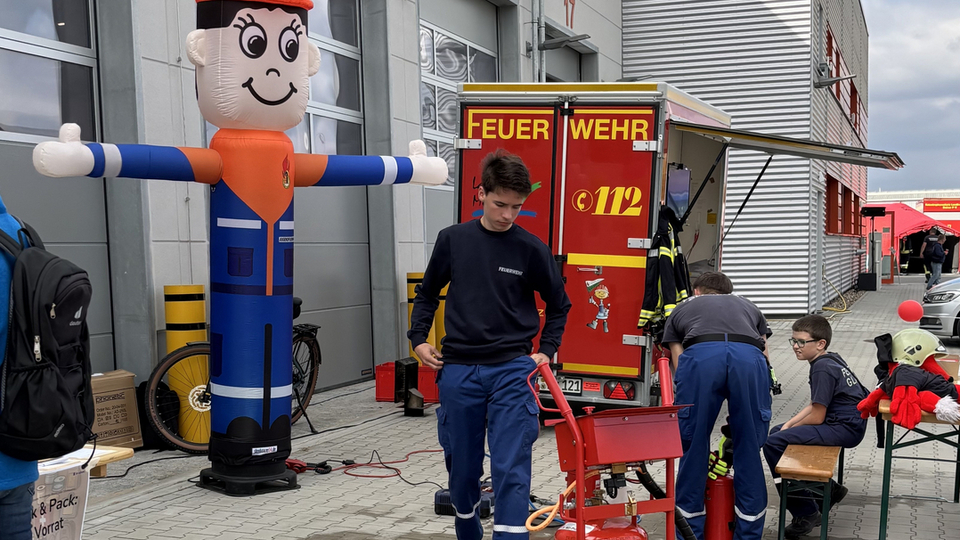
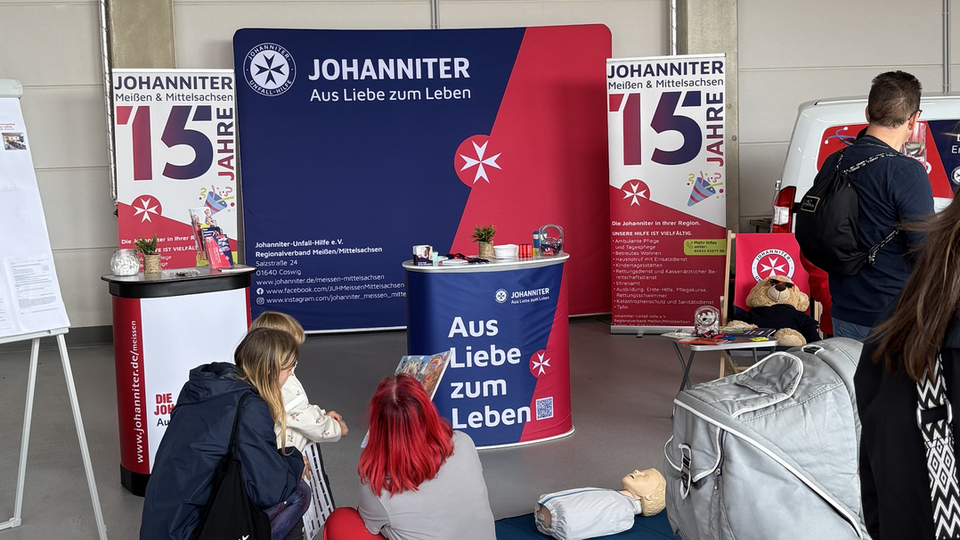
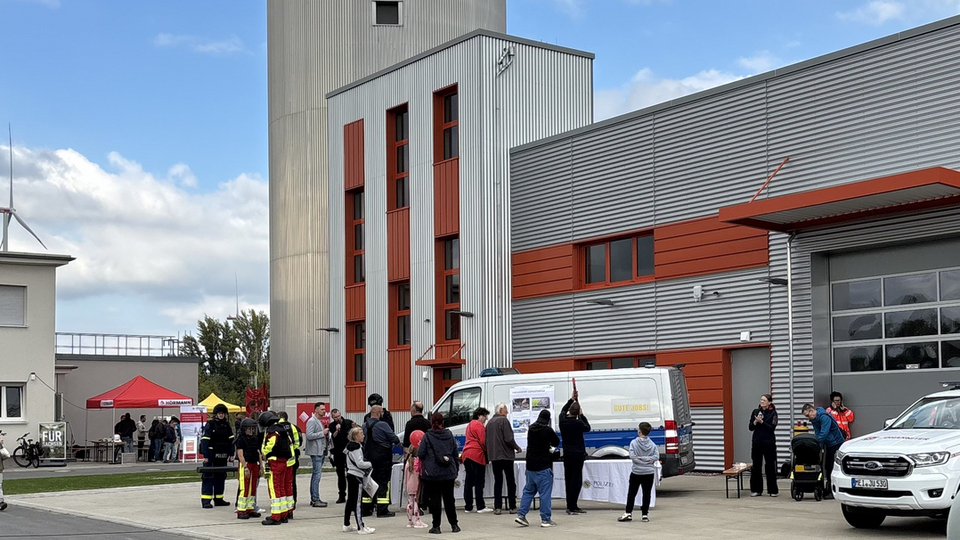
The best part: The district of Meissen further developed the student team's prototype and turned it into the Civil Protection Day, which took place for the first time on Saturday, September 27, 2025 in Glaubitz. Many of the student team's ideas were implemented there. For example, visitors received a crisis logbook and were able to expand their knowledge on sounds of sirens and emergency food stocks at interactive stations. Although the prototype was developed specifically for the district of Meissen, it can also be adapted to other regions to empower people everywhere to prepare for crises.

This case is a good example for the lasting impact the student-led design thinking projects from HPI d-school have. Design thinking incorporates the perspectives of users early on in the development of solutions and generates widespread. In the case of the civil protection day in the district of Meissen, this meant that the population identified with the event concept because their own interests were taken into account from the start. Moreover, they now feel more capable of acting in crises themselves, whilst at the same time benefiting frm technological innovations.

Newsletter

Sign up for our newsletter and receive the latest updates about the HPI d-school directly in your mailbox.

Register here

More Use Cases

  • Use Case
    VoiceChain - Foundations for Design Thinking
    What happens when voices can be cloned to sound deceptively real, and no one can be sure what’s truly authentic anymore?
    • Academic Programs
    • Design Thinking
    • Innovation
  • Use Case
    CO₂ offsetting is considered a key tool in climate protection – yet many people barely understand how it works. Students developed a playful format to raise awareness among company employees about emissions.
    • Academic Programs
    • Design Thinking
    • Sustainability
  • Use Case
    HPIdschool Use Case Ecosia Team 4 Planet Plates
    What do search engines and food have in common? Students designed a tool for Ecosia that nudges users towards climate-friendly nutrition.
    • Academic Programs
    • Design Thinking
    • Sustainability
  • Use Case
    Montessori - Plan M - MonteLab
    How can children be involved in designing their school right from the start? In a new Montessori school in Neumarkt, kids were able to incorporate their own ideas.
    • Academic Programs
    • Design Thinking
  • Use Case
    Use Case Design Thinking Museum Barberini
    How can a traditional art museum cater to the interests of young people? In the Museum Barberini, digital and analog tools are combined to create inspiring and immersive creative experiences.
    • Academic Programs
    • Design Thinking
    • Innovation
  • Use Case
    In collaboration with the Würth Elektronik eiSos Group, we developed innovative new work concepts, whose solutions were integrated into the new High-Tech Innovation Center at the company's site in Munich-Freiham.
    • Academic Programs
    • Design Thinking
    • Innovation
  • Use Case
    Use case rethink vacuuming Robert Thomas AG
    How can vacuuming become more hygienic, easier – and even enjoyable? Students from HPI d-school joined forces with Robert Thomas AG to rethink vaccuming.
    • Academic Programs
    • Innovation
    • Design Thinking
  • Use Case
    Use Case Digitale Probierstadt Gütersloh
    The city of Gütersloh was looking for a concept to make digital education more accessible. A team developed the “Digital Trial City” prototype, which introduces people to new technologies.
    • Academic Programs
    • Design Thinking
    • Digital upskilling
  • Use Case
    Prototype Hans
    A cold entrance area without orientation and work opportunities? A team from the HPI d-school developed a solution that makes libraries more modern, functional and inviting.
    • Academic Programs
    • Design Thinking
  • Use Case
    How an AI lab and a chatbot connect SMEs and startups – for real solutions instead of just buzzwords. A project with the KI-Service Zentrum Berlin-Brandenburg.
    • Design Thinking
    • Academic Programs
    • Artificial intelligence
  • Use Case
    Policy Transformation Lab
    Together with the Teufelsberg KG investment company, we developed solutions for utilizing the Teufelsberg. In the end, a concept for a Policy Transformation Lab was developed to inspire political change.
    • Academic Programs
    • Design Thinking
    • Sustainability
  • Use Case
    Simulation Routen Guide
    Spontaneously to Lübben - and then? A digital scavenger hunt makes exploring the town easier and more exciting. A team from the HPI d-school developed a playful solution for guests and locals.
    • Design Thinking
    • Academic Programs
  • Use Case
    Man holds smartphone
    Company cars are a thing of the past - modern business travelers need flexible alternatives. A team from the HPI d-school developed an app that combines different modes of transportation and makes mobility more convenient.
    • Academic Programs
    • Design Thinking
    • Sustainability
  • Use Case
    Prototyp
    A digital piggy bank for children? What began as an idea for teenagers developed into a playful financial companion for younger children. The result: a clever solution with a real impact.
    • Academic Programs
    • Design Thinking

Contact

Do you have any questions? We will be happy to help you.