Project Case

Where kids design their own school

Intro

Montessori project in Neumarkt

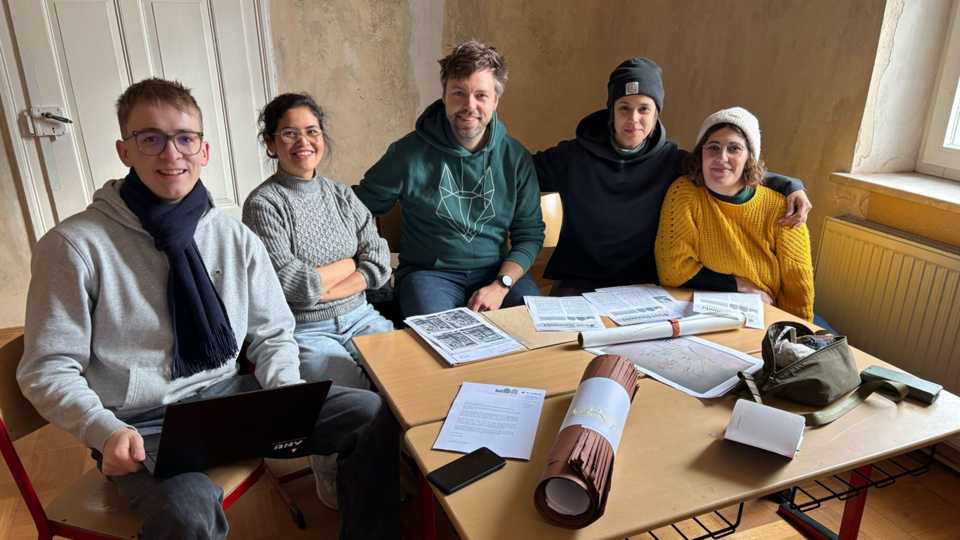
How can schools become places where students truly feel welcome? In Neumarkt, a Montessori school is being created in a former residential building. To ensure that children are not just users but also co-creators, a team of students from the HPI d-school developed a concept for the so-called “MonteLab”: a participatory format in which kids can playfully contribute their ideas for the school's rooms and atmosphere.

Watch film

Project partner

More information

Challenge

Children spend most of their day at school, but their views are rarely included in the school's design. Especially in Montessori schools, where the learning environment plays a key role, it is important that students can actively participate in the design process. 

The non-profit association Montessori Neumarkt + Postbauer-Heng e.V., which wants to build a Montessori school in the Bavarian town Neumarkt, approached students at the HPI d-school with an exciting challenge: “Redesign an existing building to create a school for children in grades 5 to 10 that provides an inclusive learning environment and is based on Montessori principles.” Just like in other design thinking processes, it was very important to incorporate the perspectives of users - in this case, school children.

Starting Point

Montessori Neumarkt + Postbauer-Heng e.V. is planning to open a Montessori secondary school (grades 5–10) in a former residential building near Neumarkt station. This process is both an opportunity and a challenge: many decisions need to be made, a shared vision must be developed – and the school is scheduled to open by the 2026/2027 school year at the latest. It is particularly important that the building is redesigned according to the principles of Montessori education. However, a shared understanding of space and learning environment among students, parents, teachers, and architects has been missing so far.

The design thinking team at HPI d-school didn't just want to develop spatial concepts – they wanted to create a process that puts the pupils at the centre and makes their ideas visible. They therefore made a conscious decision not to draw up specific spatial designs and instead set about developing a creative participation format that would empower the pupils to become co-designers themselves.

Aha Moments

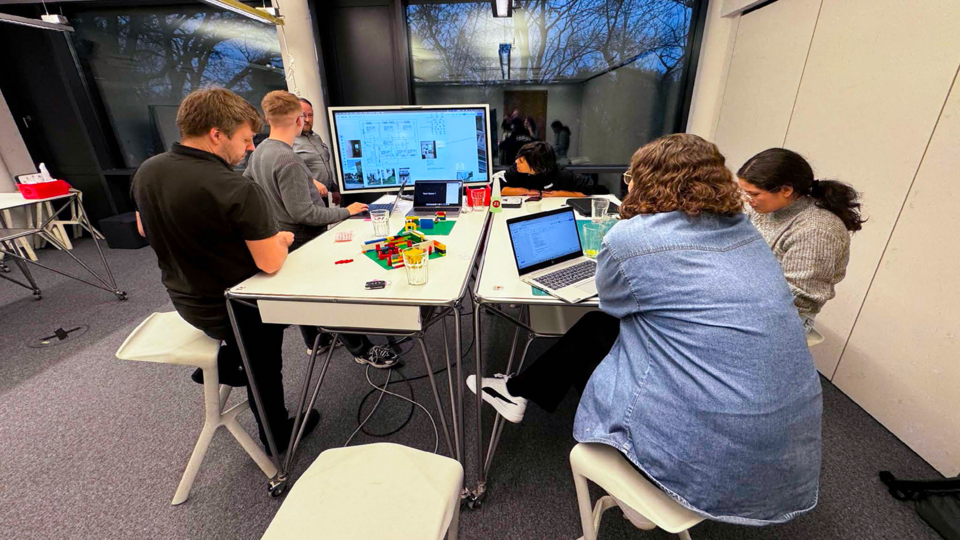
In interviews, the student team from the HPI d-school discovered that children are mostly not involved in school's design processes, and also gained in-depth insights into the principles of Montessori education. Based on the valuable insights the students gathered in conversations with children, parents and educators, a prototype for the so-called ‘MonteLab’  was created. In this interactive design lab, children are given creative opportunities to help design their own school. The concept was developed in several iterative steps and has already been tested with children in Neumarkt. 

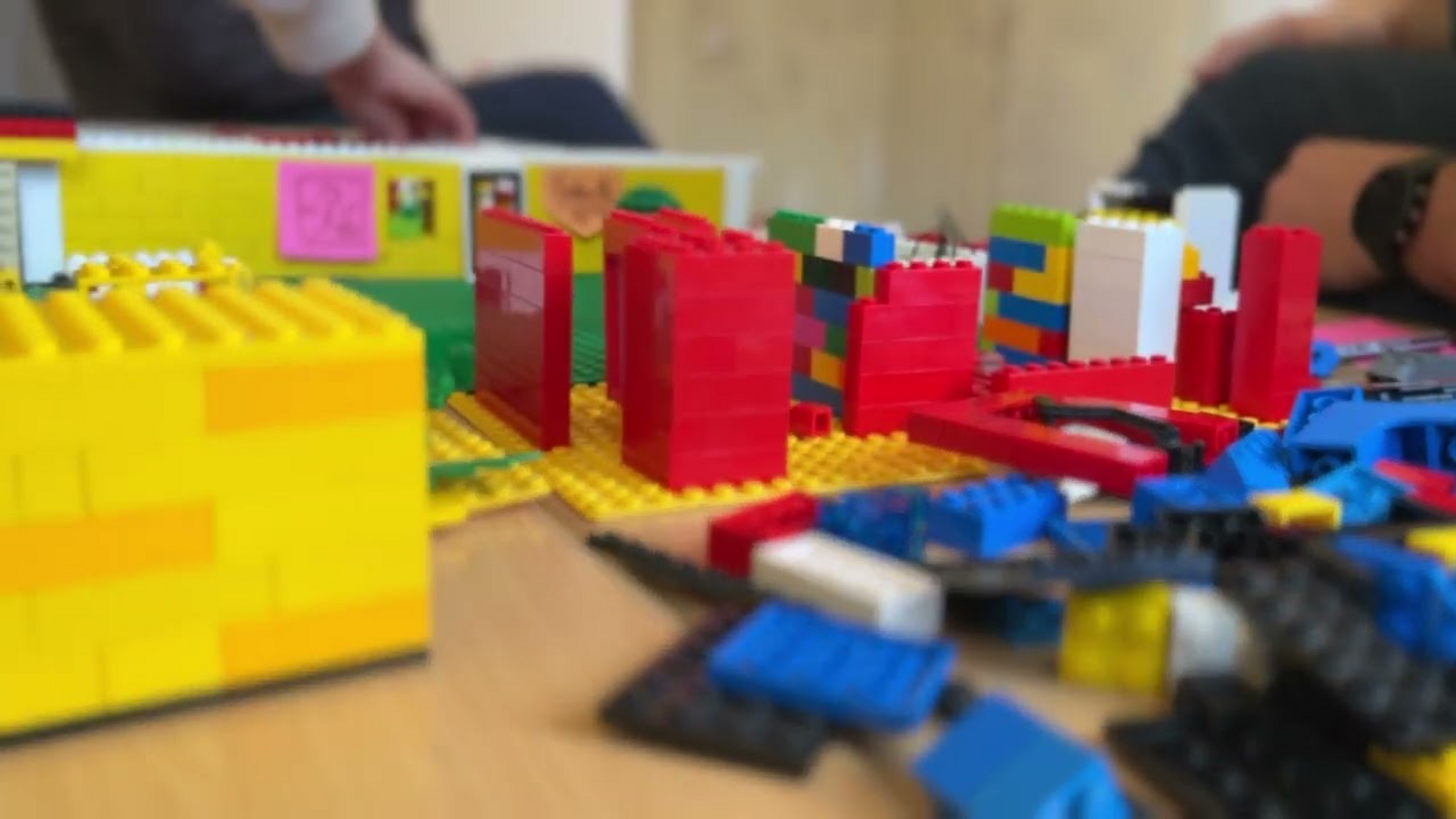
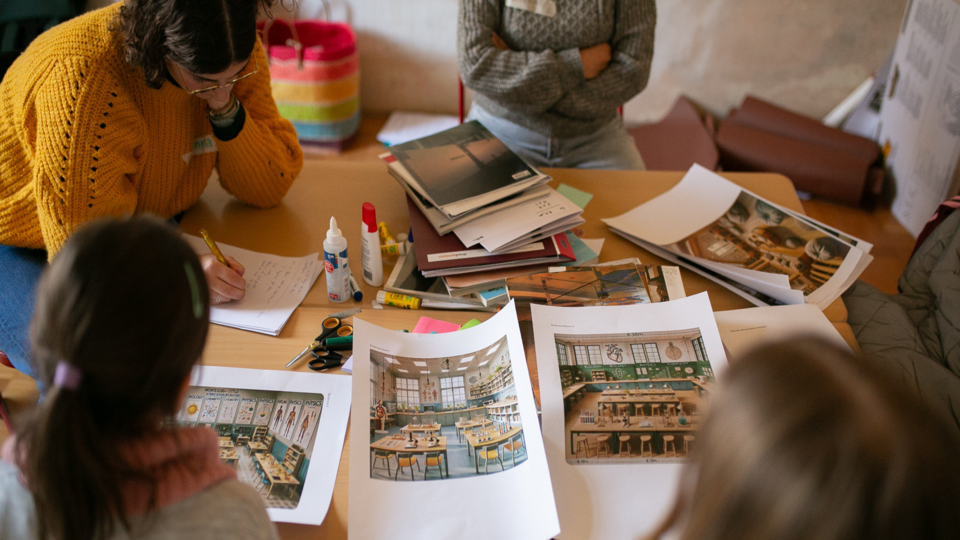
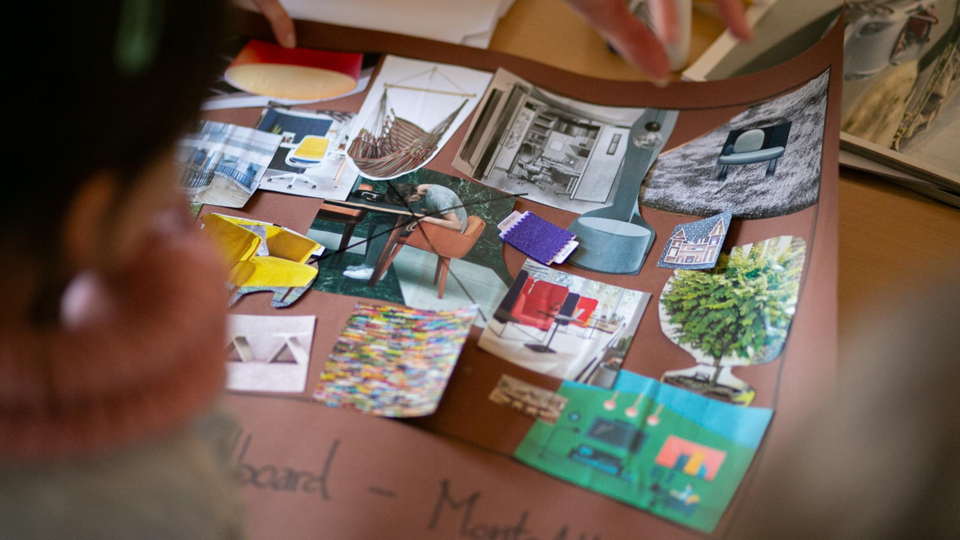
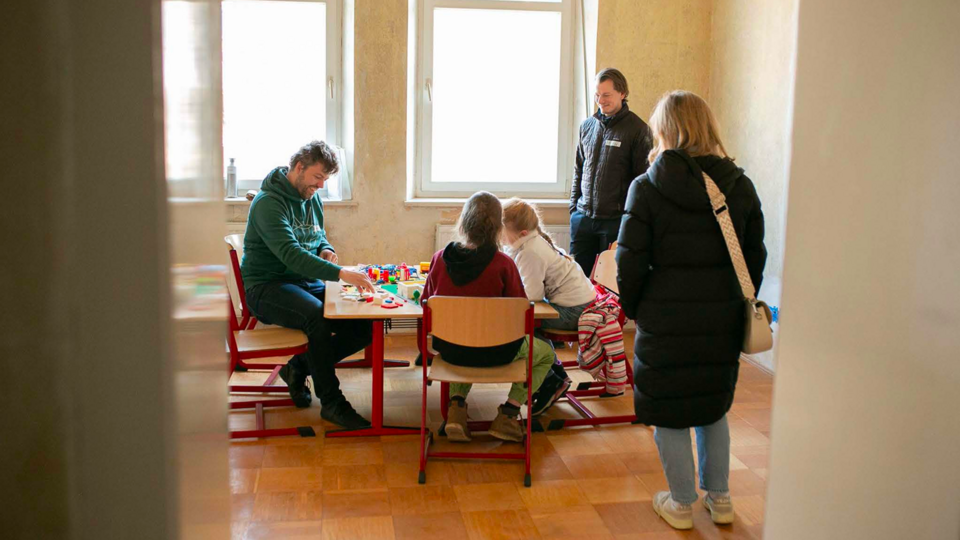
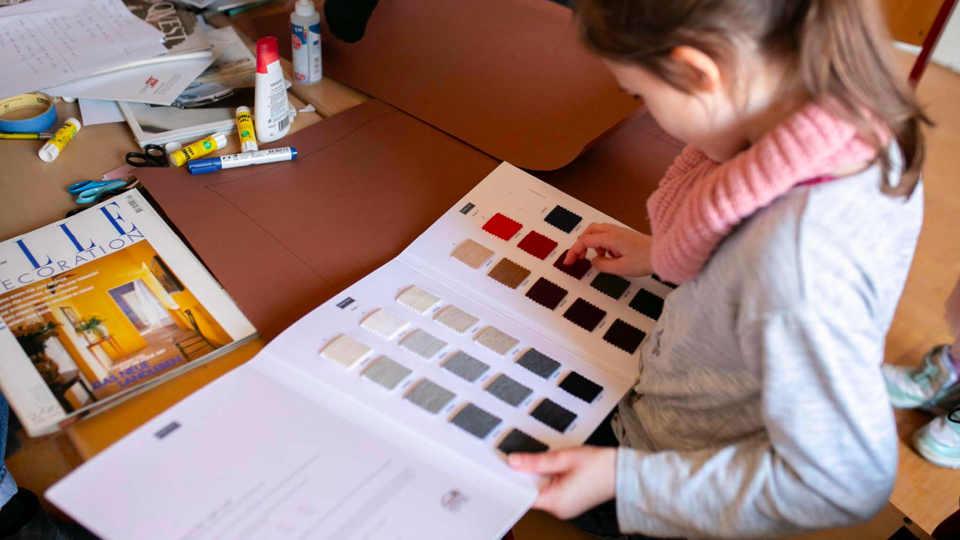
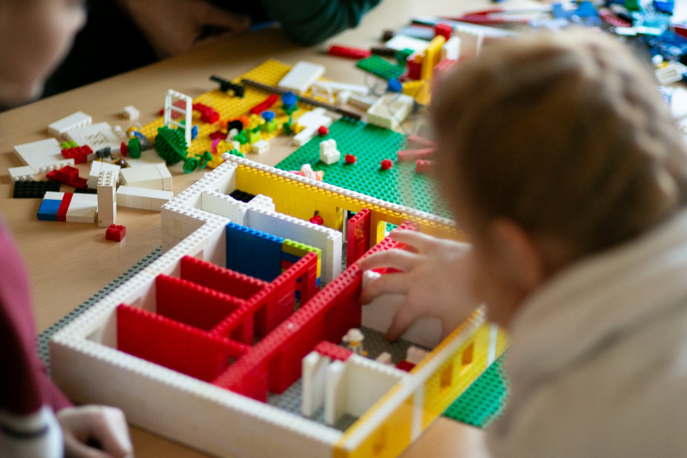
The team developed a LEGO® station where children could build their ideal school themselves and playfully discover how interior design influences learning. With the help of a mood board, the children were able to explore their preferences for colours, materials and the atmosphere of the learning spaces. It became clear that pupils want more flexible learning spaces and less rigid classrooms. Furthermore, the student team was impressed to see how creatively and thoughtfully the pupils expressed their wishes.

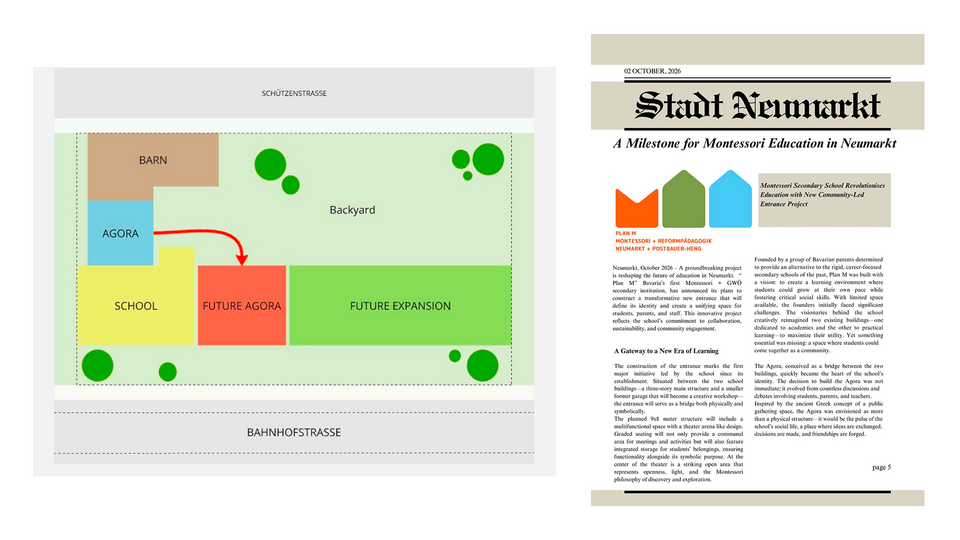
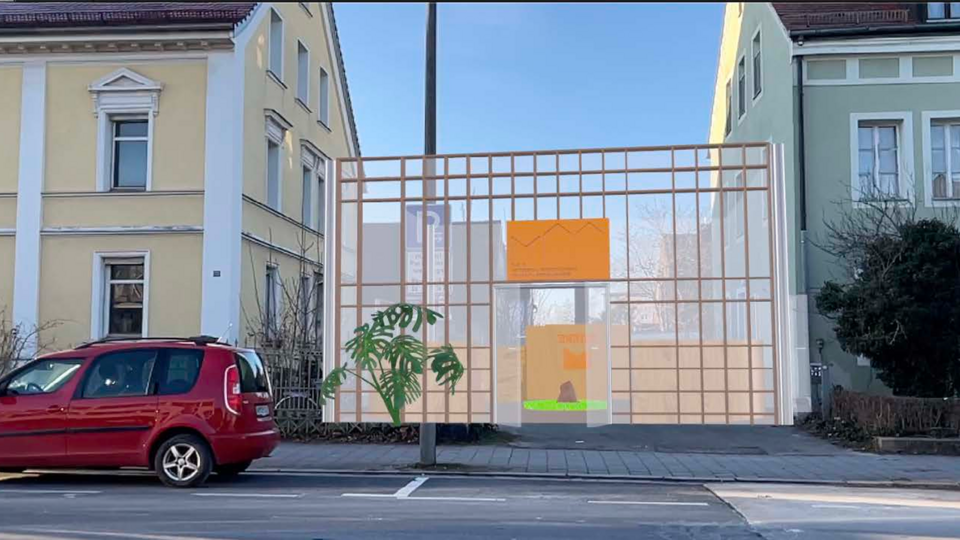
In addition, the team used augmented reality to develop a design for a central common area connecting the two school buildings. This immersive experience was aimed at parents, who were able to gain new perspectives on the redesign of the building in Neumarkt.

Impact

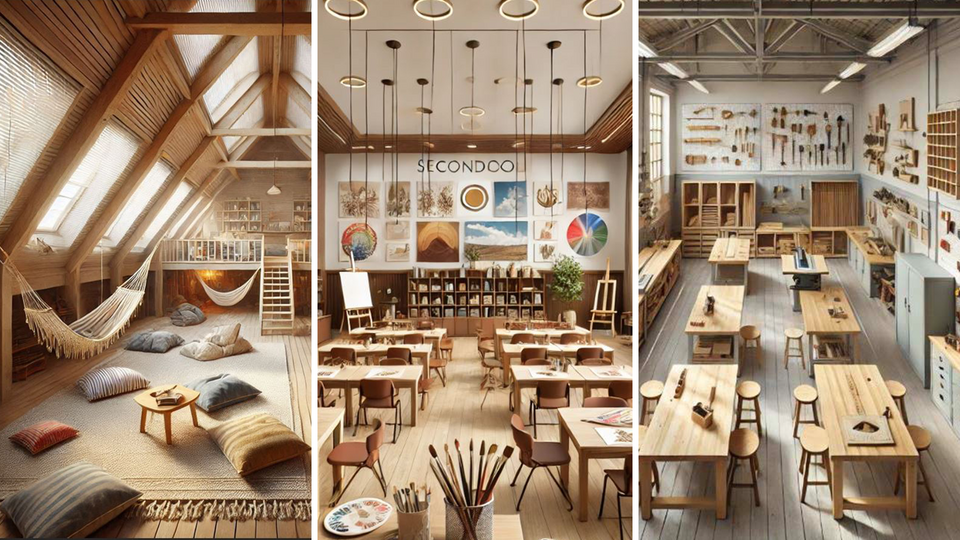
MonteLab generated a lot of valuable input by the children for the school design in Neumarkt: the LEGO® and mood board stations led to specific recommendations for the classrooms – larger learning spaces, more flexible furniture, creative retreats and pleasant colours. Plus, the idea for the community centre is being developed further – it is now set to be created as a central meeting place between the school buildings.

And the best part? The design process has not only brought about new ideas for the design of the building, but has changed the mindset of those involved: pupils feel taken seriously, adults understand Montessori principles better and have received concrete input for the interior design.

Although the prototype was designed specifically for Montessori Neumarkt + Postbauer-Heng e.V., it can also be used for (interior) design processes at other schools. In keeping with the spirit of design thinking, the students found out that the best learning environment is one that is designed by the people who spend their time there. The MonteLab prototype shows that children know exactly what they need – they just need to be given the right tools to express their ideas.

Newsletter

Sign up for our newsletter and receive the latest updates about the HPI d-school directly in your mailbox.

Register here

More Use Cases

  • Use Case
    VoiceChain - Foundations for Design Thinking
    What happens when voices can be cloned to sound deceptively real, and no one can be sure what’s truly authentic anymore?
    • Academic Programs
    • Design Thinking
    • Innovation
  • Use Case
    CO₂ offsetting is considered a key tool in climate protection – yet many people barely understand how it works. Students developed a playful format to raise awareness among company employees about emissions.
    • Academic Programs
    • Design Thinking
    • Sustainability
  • Use Case
    HPIdschool Use Case Ecosia Team 4 Planet Plates
    What do search engines and food have in common? Students designed a tool for Ecosia that nudges users towards climate-friendly nutrition.
    • Academic Programs
    • Design Thinking
    • Sustainability
  • Use Case
    Montessori - Plan M - MonteLab
    How can children be involved in designing their school right from the start? In a new Montessori school in Neumarkt, kids were able to incorporate their own ideas.
    • Academic Programs
    • Design Thinking
  • Use Case
    Use Case Design Thinking Museum Barberini
    How can a traditional art museum cater to the interests of young people? In the Museum Barberini, digital and analog tools are combined to create inspiring and immersive creative experiences.
    • Academic Programs
    • Design Thinking
    • Innovation
  • Use Case
    In collaboration with the Würth Elektronik eiSos Group, we developed innovative new work concepts, whose solutions were integrated into the new High-Tech Innovation Center at the company's site in Munich-Freiham.
    • Academic Programs
    • Design Thinking
    • Innovation
  • Use Case
    Use case rethink vacuuming Robert Thomas AG
    How can vacuuming become more hygienic, easier – and even enjoyable? Students from HPI d-school joined forces with Robert Thomas AG to rethink vaccuming.
    • Academic Programs
    • Innovation
    • Design Thinking
  • Use Case
    Use Case Digitale Probierstadt Gütersloh
    The city of Gütersloh was looking for a concept to make digital education more accessible. A team developed the “Digital Trial City” prototype, which introduces people to new technologies.
    • Academic Programs
    • Design Thinking
    • Digital upskilling
  • Use Case
    Prototype Hans
    A cold entrance area without orientation and work opportunities? A team from the HPI d-school developed a solution that makes libraries more modern, functional and inviting.
    • Academic Programs
    • Design Thinking
  • Use Case
    How an AI lab and a chatbot connect SMEs and startups – for real solutions instead of just buzzwords. A project with the KI-Service Zentrum Berlin-Brandenburg.
    • Design Thinking
    • Academic Programs
    • Artificial intelligence
  • Use Case
    Policy Transformation Lab
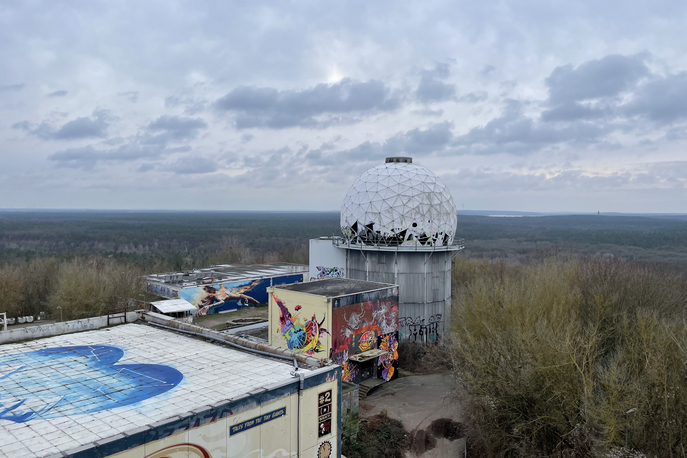
    Together with the Teufelsberg KG investment company, we developed solutions for utilizing the Teufelsberg. In the end, a concept for a Policy Transformation Lab was developed to inspire political change.
    • Academic Programs
    • Design Thinking
    • Sustainability
  • Use Case
    Simulation Routen Guide
    Spontaneously to Lübben - and then? A digital scavenger hunt makes exploring the town easier and more exciting. A team from the HPI d-school developed a playful solution for guests and locals.
    • Design Thinking
    • Academic Programs
  • Use Case
    Man holds smartphone
    Company cars are a thing of the past - modern business travelers need flexible alternatives. A team from the HPI d-school developed an app that combines different modes of transportation and makes mobility more convenient.
    • Academic Programs
    • Design Thinking
    • Sustainability
  • Use Case
    Prototyp
    A digital piggy bank for children? What began as an idea for teenagers developed into a playful financial companion for younger children. The result: a clever solution with a real impact.
    • Academic Programs
    • Design Thinking

Contact

Do you have any questions? We will be happy to help you.