



Building bridges for digital transformation
From the electronic medical record (ePA) and telemedicine to AI-supported diagnostics: digital solutions are opening up new avenues in the healthcare sector and offer hope in the battle against the shortage of skilled health-care workers. At Hasso Plattner Institute, scientists in the Digital Health Cluster have been researching innovative healthcare technologies and their further development since 2017.
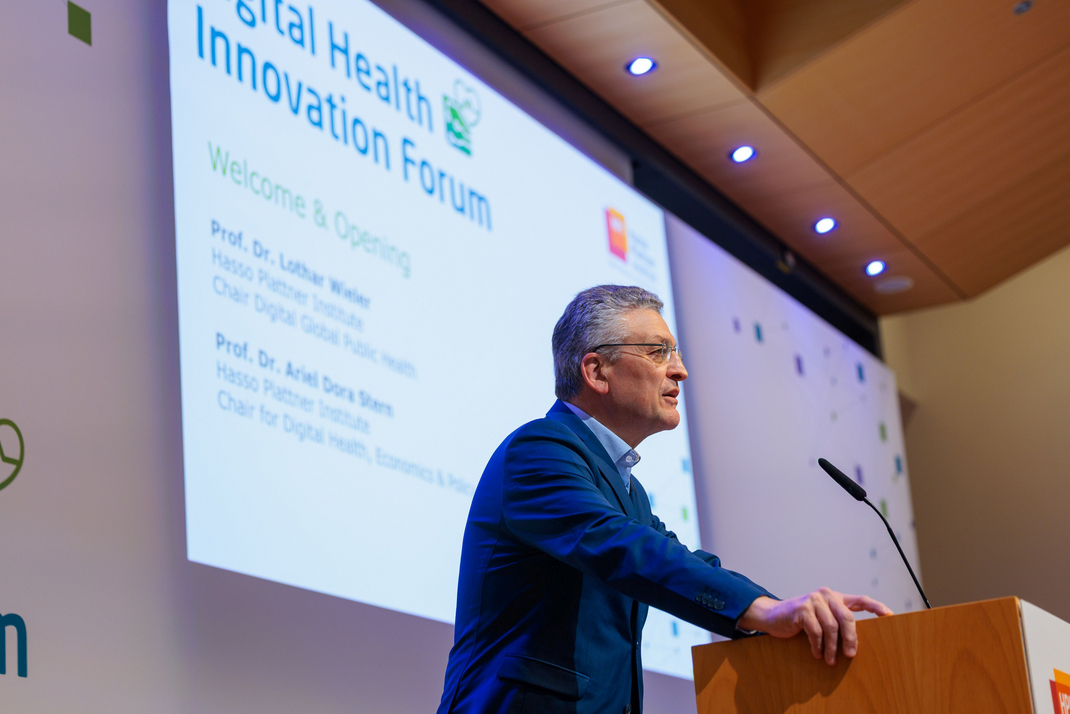
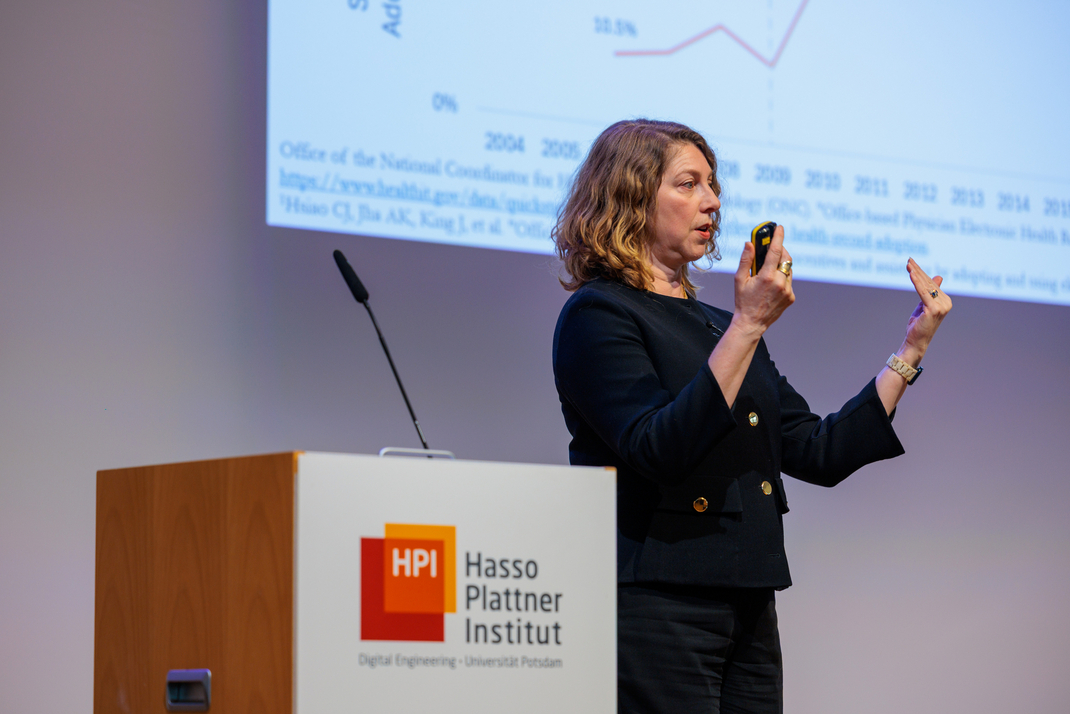
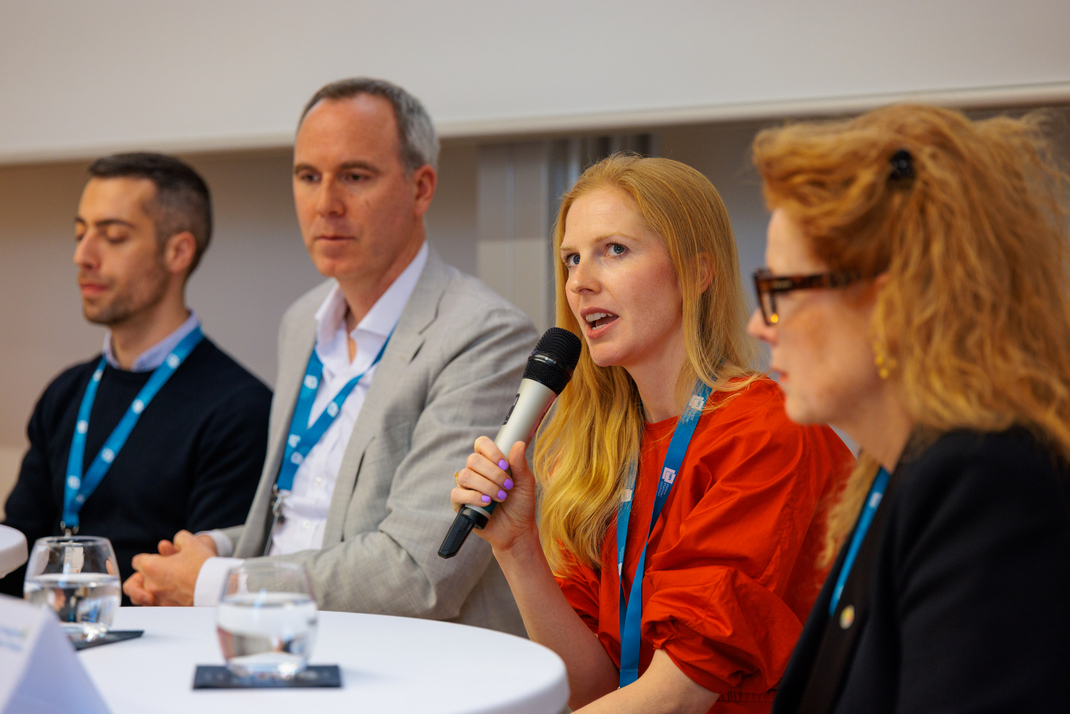
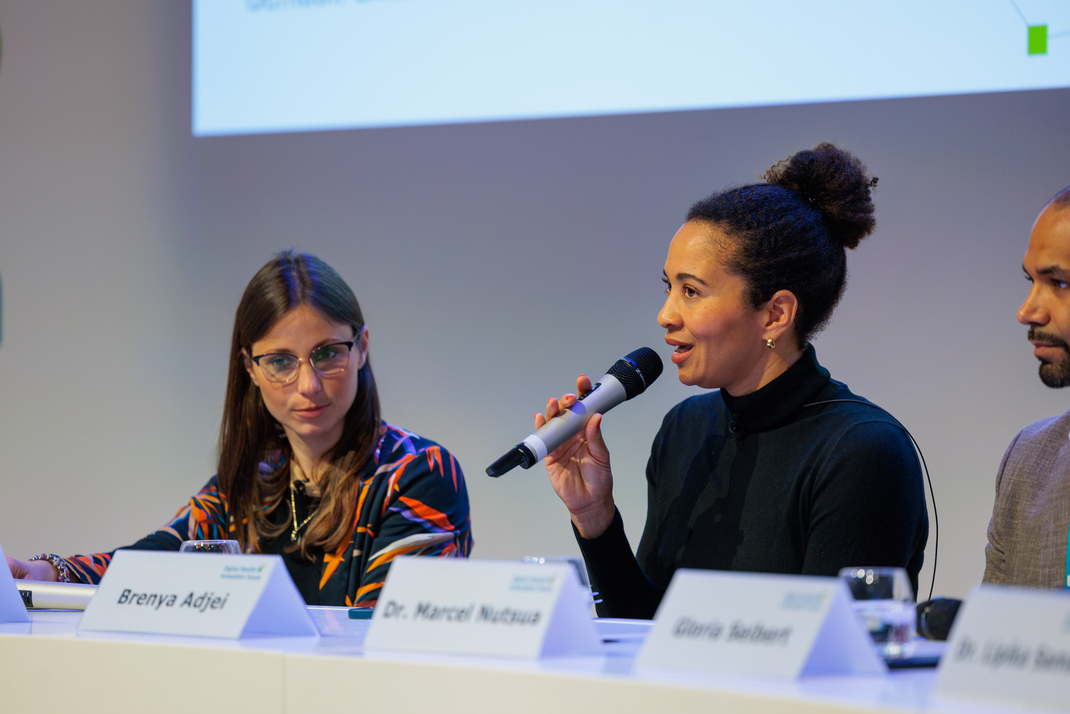
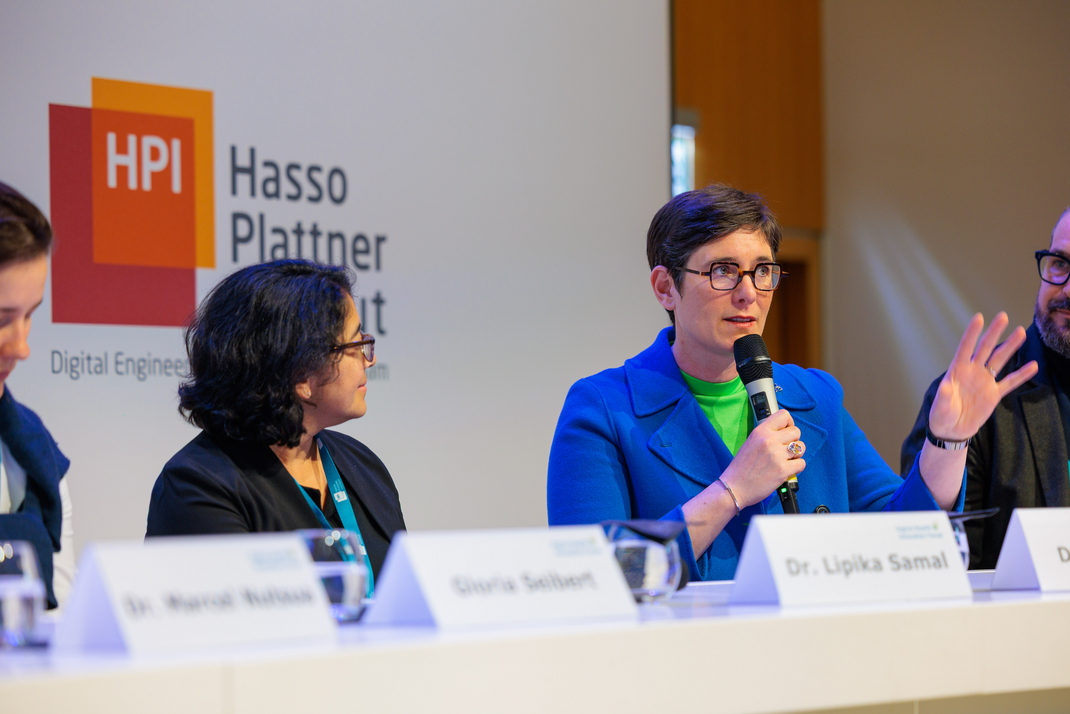
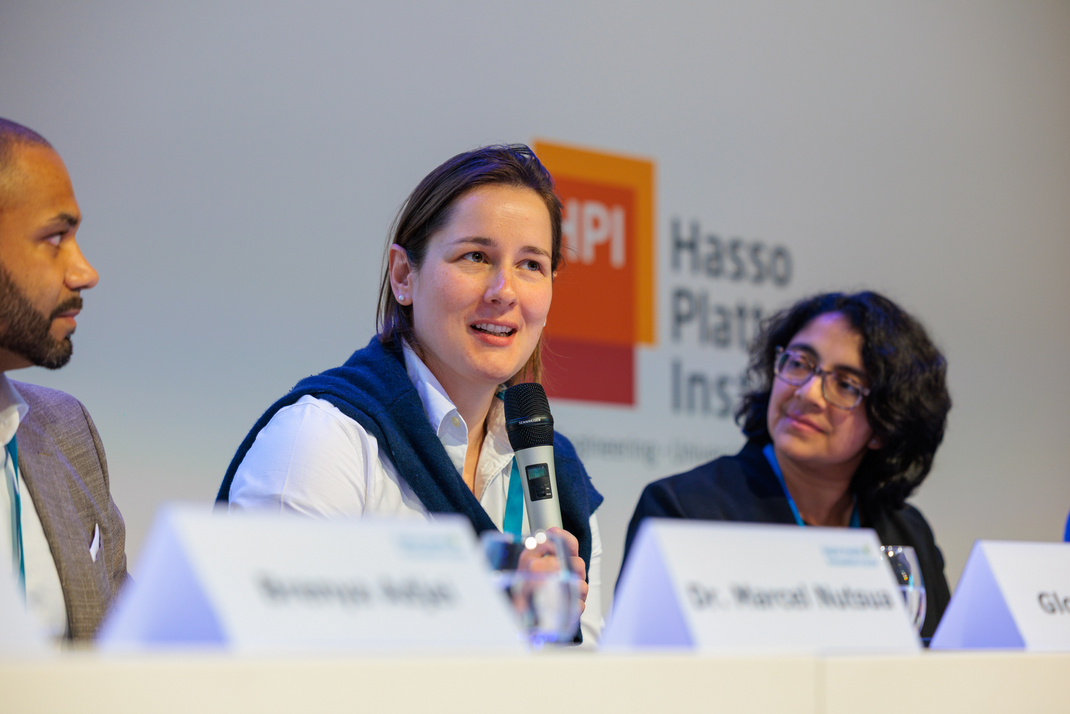
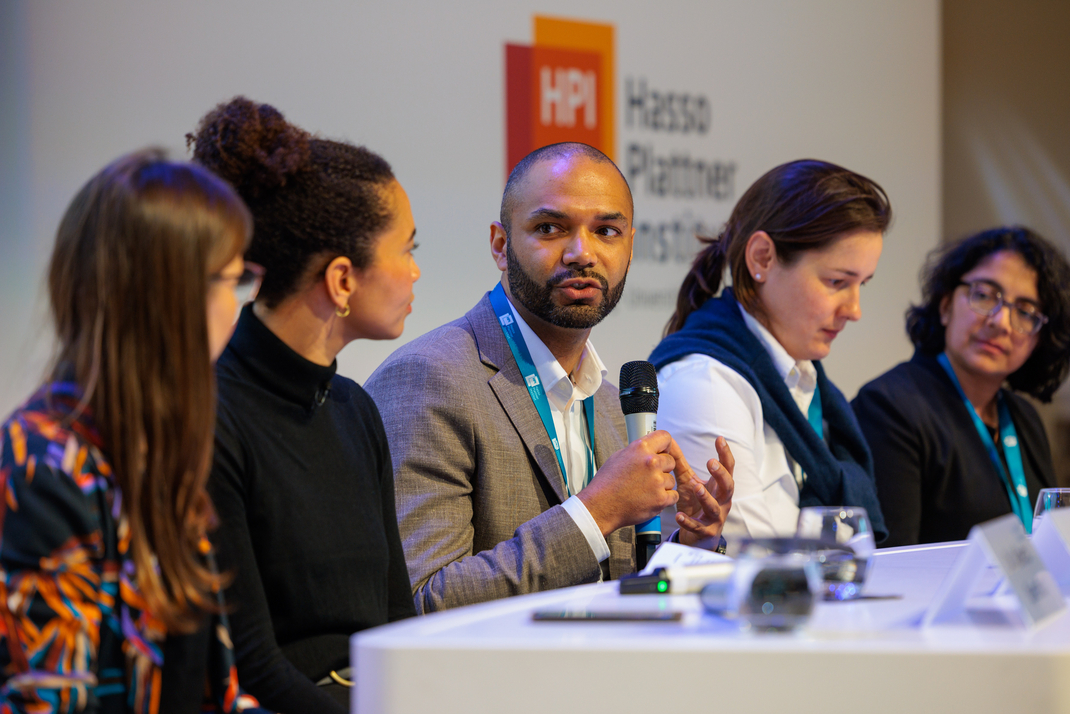
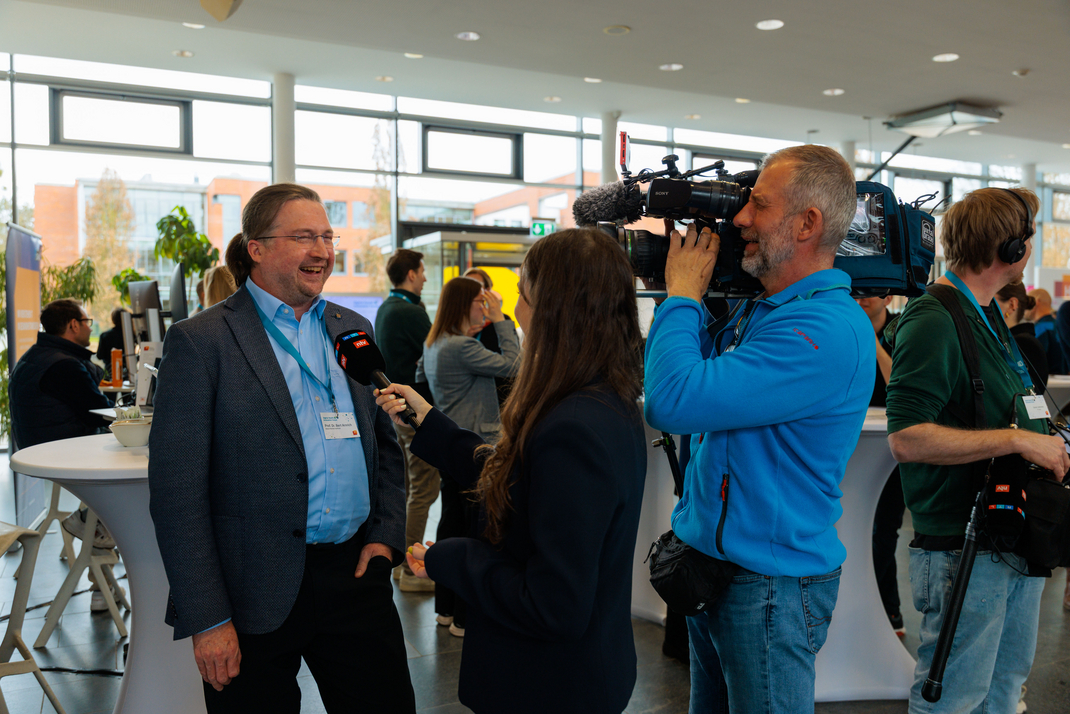
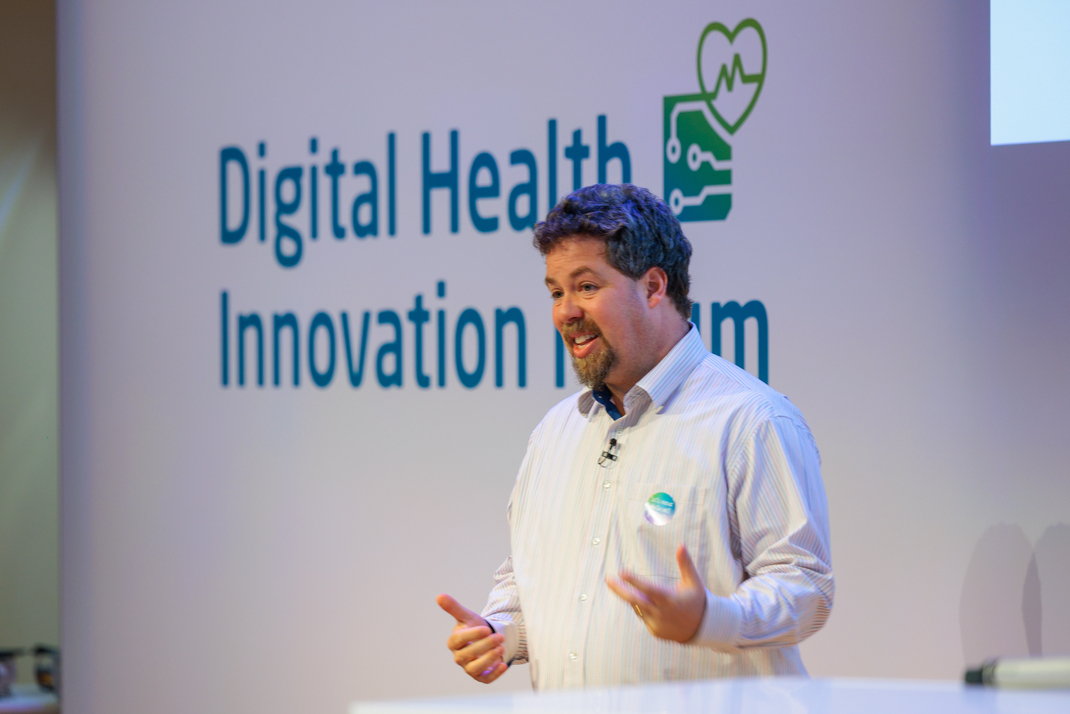
But how can these technologies be successfully integrated into clinical practice? This was topic discussed by more than 70 international speakers from research, industry and politics discussed this topic with around 400 participants at the HPI Digital Health Innovation Forum on March 26 and 27. The conversation included researchers from the USA.
Save the date
The next Digital Health Innovation Forum will take place on March 25 and 26, 2026 at Hasso Plattner Institute.
DHIF Website
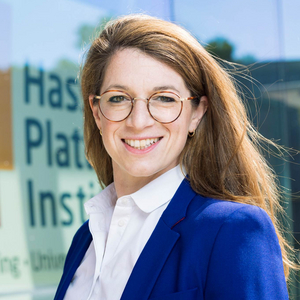
Transatlantic exchange has never been as important as it is today. Right now, we need to expand our scientific networks in the USA and signal to researchers that we welcome them here with open arms. Now is the time to build bridges, not walls.
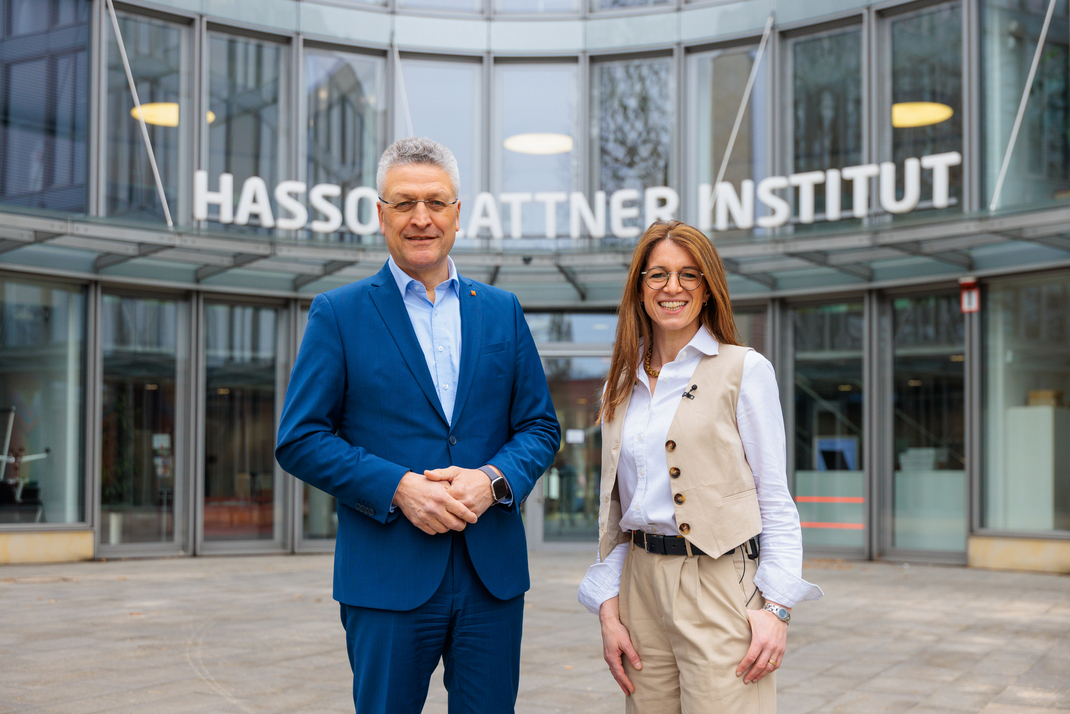
Prof. Ariel Dora Stern, DHIF Host and Head of “Digital Health, Economics & Policy” at HPI
Video: Digital Health Innovation Forum 2025


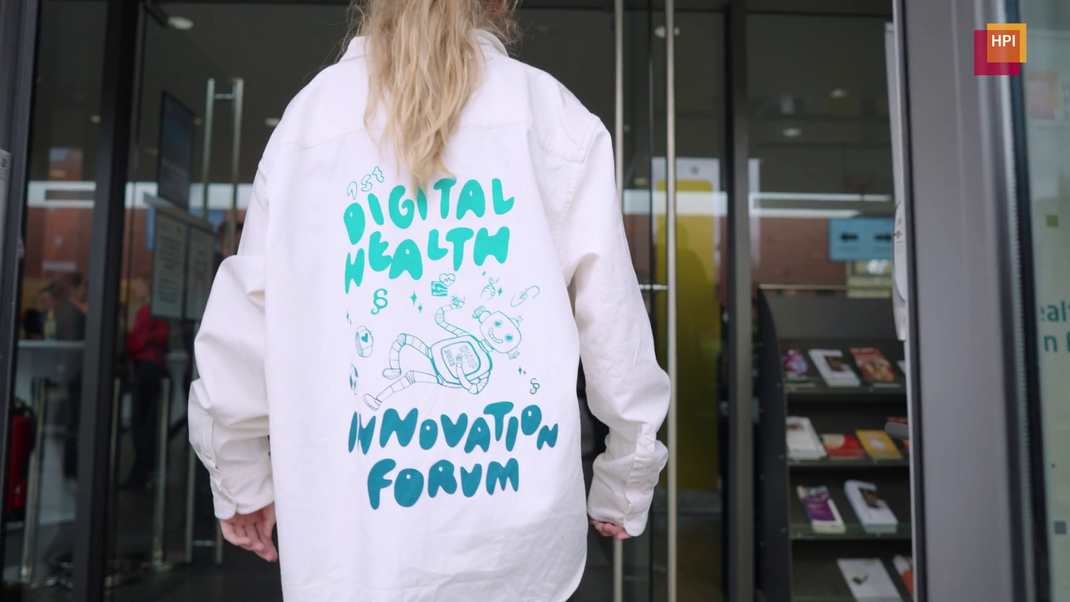
Digital health in practice
Conference participants were able to experience first-hand where digital technologies are already being used in health research at several exhibits on site. HPI researchers presented
- an AI model that classifies tumors ultra-fast,
- wearable sensors that create individual movement analyses in real time,
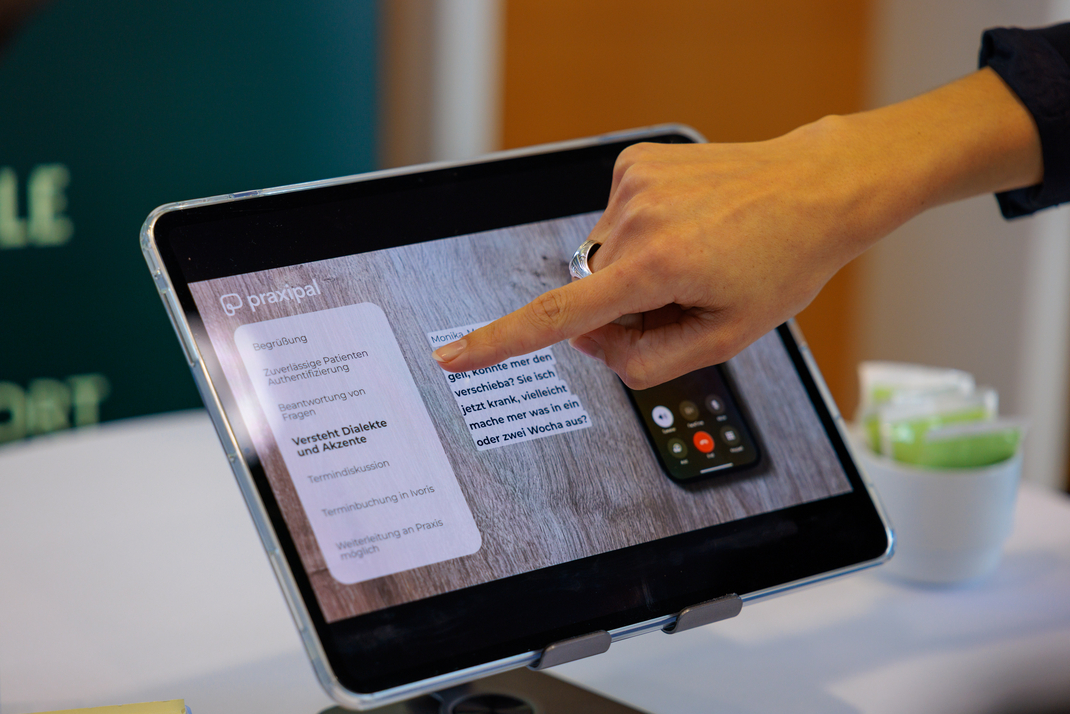
- and an AI receptionist that relieves specialists of their day-to-day administrative tasks.

The progress can be summarized in three sentences. We can analyze more precisely and more quickly. We can inform more precisely and more quickly. And we can intervene preventively more precisely and earlier.
Prof. Lothar H. Wieler, DHIF Host and Head of “Digital Global Public Health” at HPI
Diagnosis in minutes: How AI and nanotechnology are revolutionizing cancer medicine
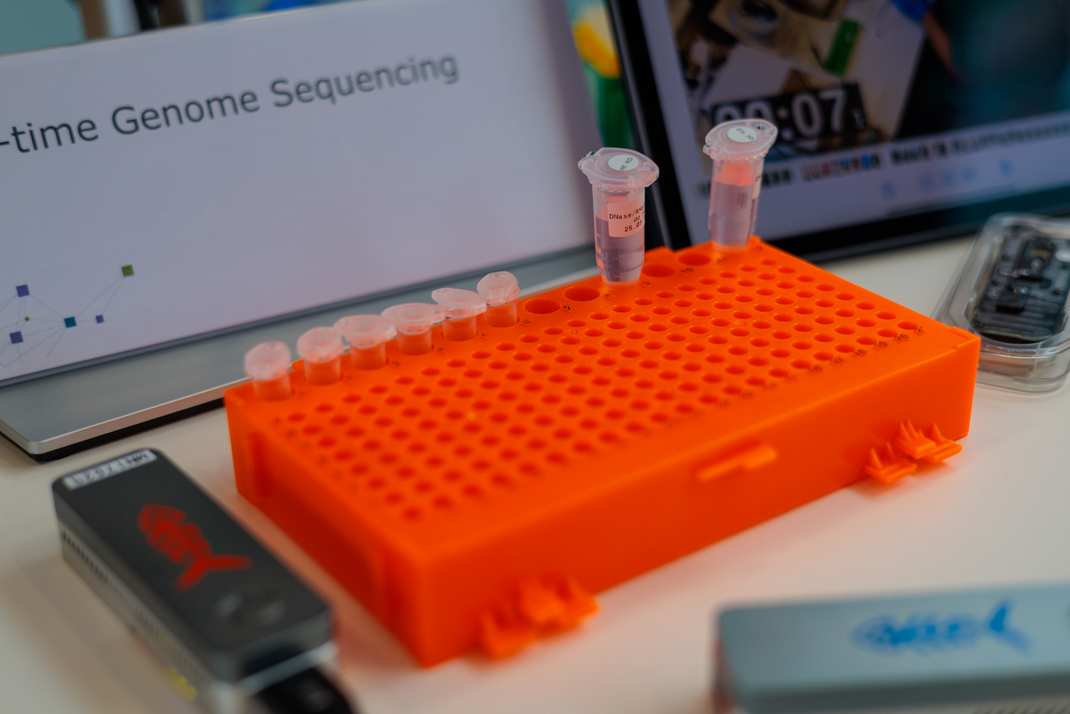
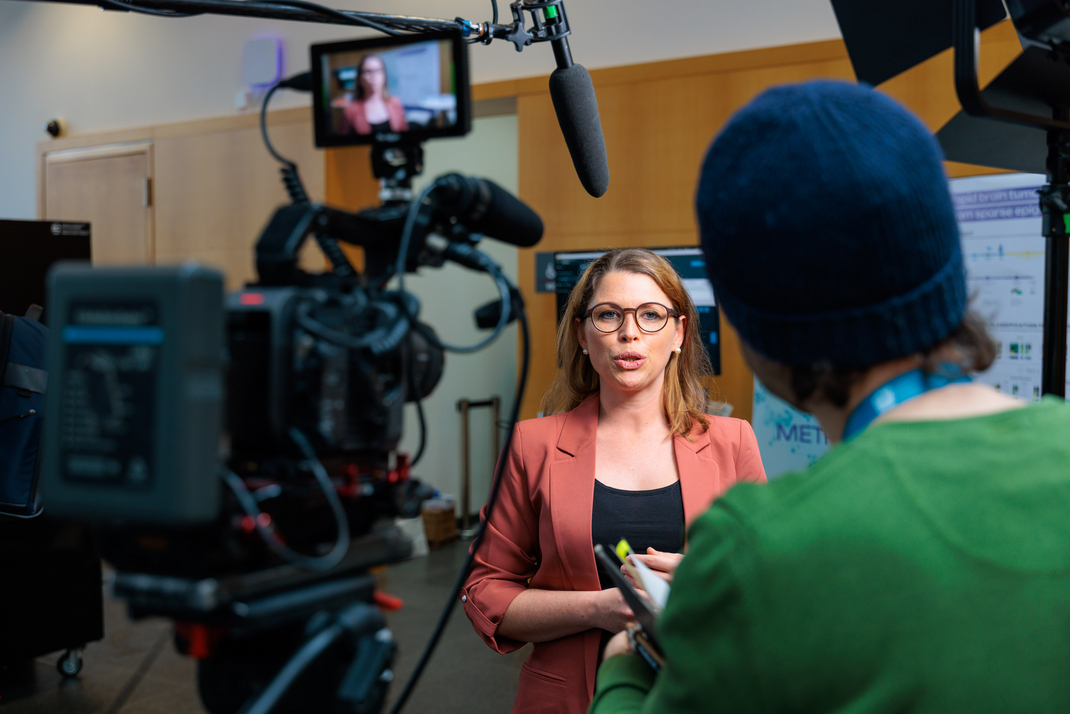
What if doctors knew exactly the type of tumor they were dealing with during an operation? Thanks to a new method developed by HPI Professor Helene Kretzmer, head of the “Computational Genomics” research group, and doctoral student Mara Steiger, classification takes less than an hour, based on a time window that revolutionizes the current, common method. It's all about MethyLYZR – an AI model that uses nanopore sequencing to read the methylation patterns in the DNA of real tumor tissue. In short, the system analyzes tiny chemical signatures in the genetic material, which vary depending on the type of tumor.
HPI researchers analyze real tumor biopsy on site
At the conference, the scientists presented a live showcase for ultra-fast tumor classification – and analyzed a sample from a real tumor on site. Participants of the conference were able to follow the classification process live on a screen. The special feature: While the analysis is still running, the AI model continuously and instantaneously updates the most likely tumor classes. Participants were able to observe how the prediction improves constantly just after a few minutes. At the same time, the AI requires neither huge amounts of data nor expensive data centers.
MethyLYZR provides precise diagnosis right next to the operating theater
The social benefits of the method are huge: the technology enables the accessibility of state-of-the-art diagnostics to smaller clinics, saves costs through more efficient treatments, and reduces the psychological burden for patients thanks to shorter waiting times. Until now, it has often taken days or even weeks to obtain molecular diagnoses. MethyLYZR delivers them right next to the operating theater – quickly, precisely and without involving costly laboratories. This can avoid second operations and enable surgeons to make the right decision immediately. Patients receive clarity about their disease faster and can receive treatment in a more targeted manner.
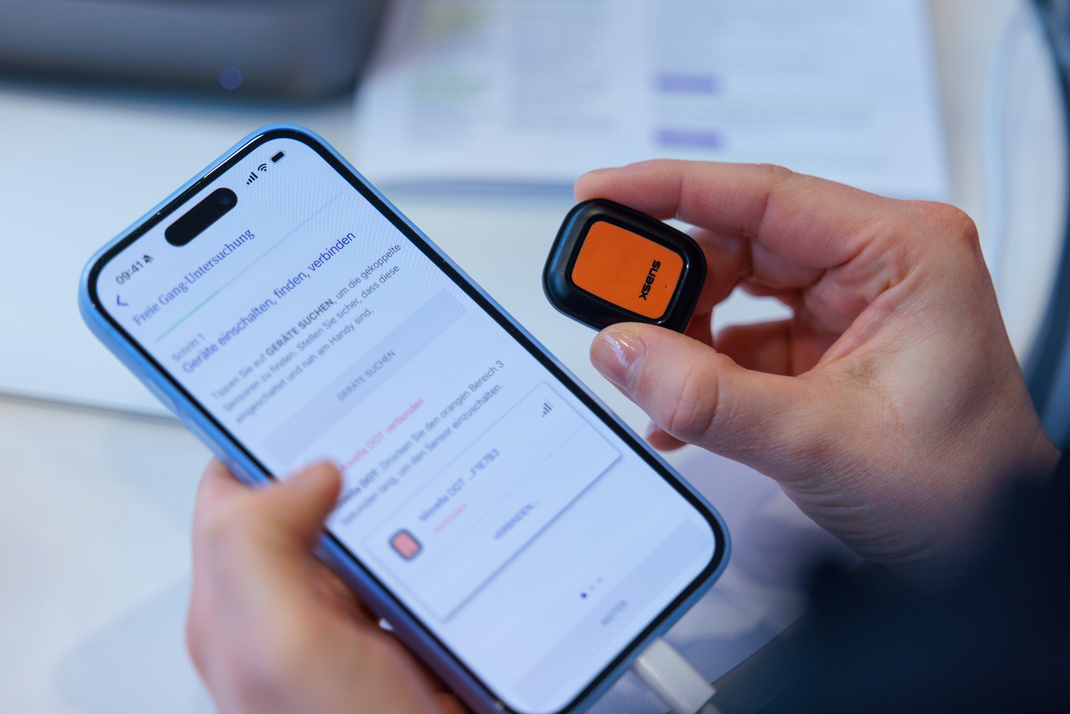
Little helpers in everyday life: with motion sensors for customized therapy
A team of researchers from the HPI's “Digital Health - Connected Healthcare” research group in cooperation with the digital health initiative Data4Life demonstrated the enormous potential of small technical helpers, such as smartwatches, for health research. Conference participants were able to test so-called wearables on site and experience how the portable sensors record movement data and physiological parameters in real time. Algorithms analyze the data and recognize underlying patterns – ranging from normal walking to abnormalities in gait, which may indicate illness.
Data analysis improves stroke rehabilitation
But there's more to it than just technical gimmicks. The continuous recording of activity and health data opens up new avenues in medical care. Diseases can be detected earlier, therapies individually adapted, and long-term progression better monitored. For example, the analysis and evaluation of gait patterns in stroke patients provides valuable insights for faster rehabilitation.
Sensors make medical care more accessible
Digital solutions offer real progress, especially for people with chronic illnesses, restricted mobility or personal disabilities. By enabling medical care regardless of where they live, these solutions help to bridge bottlenecks in healthcare provision and open up new opportunities for telemedicine. The vision behind this is a healthcare system that relies on data-based prevention and tailored therapy – which means greater efficiency, fairness, and accessibility for more people.
AI receptionist Luna: the digital workforce of tomorrow?
Fewer and fewer staff members for fewer and fewer patients. The shortage of specialists is becoming one of the biggest problems in the healthcare sector. HPI alumni start-up Praxipal wants to change that. Its vision is: “Building the healthcare workforce for tomorrow." The start-up demonstrated what this workforce of tomorrow could look like at the Digital Health Innovation Forum and presented AI receptionist Luna. Luna can already take care of initial consultations, rescheduling appointments or discussing repairs, for example in orthodontics.
"We want to act human."
The aim is not to replace doctors' jobs, but to relieve medical professionals of their day-to-day administrative tasks so that they can concentrate on the core of their profession: working directly with patients. HPI alumnus Niklas Kämmer, Product Engineer at Praxipal, explains what sets Luna apart from other AI systems: "When you think of voice bots, the first thing that comes to mind is ‘Say 1 if you [...]’. I don't know anyone who has had a good experience with this. You don't get anywhere because they don't understand what you want. People are being forced to speak in the rudimentary language of the bot. We want to act human. Talk to us however you want and we'll get you to your destination.”
Many AI models are still not integrated into practice systems
In addition, many services are not integrated into the medical offices administration systems. "This means that tasks are simply recorded and, in the end, the specialists in the office have to transfer everything into the system manually. This hardly reduces the workload. We work together with the doctor's office systems and handle the callers' concerns end to end,” says Niklas.
Picture gallery (Photos: HPI/Reinhardt & Sommer)
-
-
 DHIF
DHIF -
 DHIF
DHIF -
 DHIF
DHIF -
 DHIF
DHIF -
 DHIF
DHIF -
 DHIF
DHIF -
 DHIF
DHIF -
 Brenya Adjei
 -
 DHIF
DHIF -
 DHIF
DHIF -
 DHIF
DHIF -
 DHIF
DHIF -
 DHIF
DHIF -
 DHIF
DHIF -
 DHIF
DHIF -
 DHIF
DHIF -
 DHIF
DHIF -
 DHIF
DHIF -
 DHIF
DHIF
More news



Last change: 11/06/2026, Patrick Lenz